
The Wandering Grey-Tail: A Journey into the World of the Siberian Tattler
Introduction
Introduction
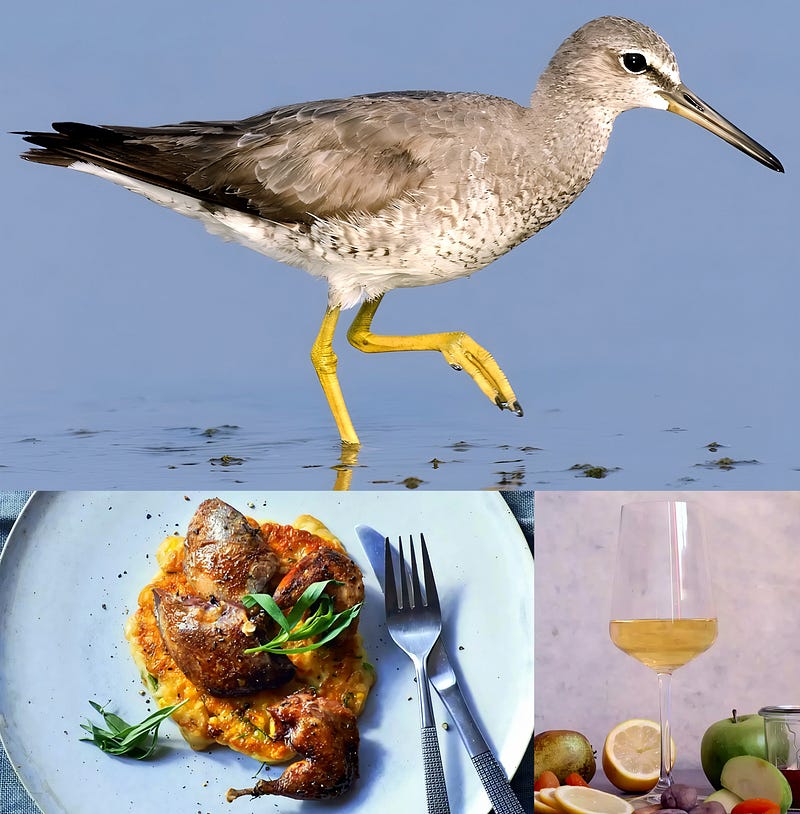
In the wind-swept estuaries of East Asia and the rocky shorelines of Australia, a small, gray shorebird traces a path written into its DNA long before humans charted oceans. The Siberian tattler, also called the grey-tailed tattler, belongs to the restless tribe of migratory sandpipers, birds that tie continents together with their wings. To the casual observer, it is modest in appearance, a slate-colored traveler blending into tidal stones. But to biologists, chefs, and conservationists alike, this species tells a much larger story: one of survival, tradition, and the delicate balance between appetite and stewardship.
Taxonomy
The Siberian tattler bears the scientific name Tringa brevipes, part of the Scolopacidae family that includes sandpipers, curlews, and snipes. Once grouped under the genus Heteroscelus, it was later returned to Tringa following genetic studies. Its closest relative, the wandering tattler (Tringa incana), mirrors its form but diverges in subtle vocalizations and breeding ranges. Common names include grey-tailed tattler, eastern tattler, and in some regions simply “tattler.” Unlike other game birds with recognized edible varieties, tattlers have no such division; their culinary history stems from subsistence use rather than selective domestication.
Biology
Measuring about 25 cm (9.8 in) in length, with a wingspan of 55 cm (21.7 in), the Siberian tattler wears muted gray plumage on its back and wings, balanced by paler underparts faintly streaked with barring. Its legs, yellow-green like coastal seaweed, are built for wading through brackish shallows. The tattler’s life cycle follows the rhythm of migration. It breeds in northeastern Siberia during short summers where temperatures hover around 15°C (59°F), then travels thousands of kilometers — over 6,000 miles — to wintering grounds in Southeast Asia, Oceania, and northern Australia. Its adaptations include remarkable endurance, acute shoreline foraging strategies, and a shrill two-note call used as both alarm and navigation.

Ecology
The tattler thrives in coastal mudflats, estuaries, rocky reefs, and mangroves. Its diet consists of small crabs, mollusks, and marine worms, gleaned deftly from tidal pools. As a migratory bird, it is a vital link in global ecosystems, transferring nutrients across hemispheres. Yet this nomad faces mounting threats: habitat loss from coastal development, shrinking mudflats due to rising sea levels, and human hunting pressure in some flyway regions. Conservation efforts, including international treaties like the East Asian–Australasian Flyway Partnership, emphasize the need to protect both breeding and stopover sites if this species is to remain a living thread between continents.
Uses
Historically, tattlers were hunted in Siberia and Southeast Asia as part of traditional subsistence diets. While modern economic value is negligible compared to poultry or fish, the species embodies intangible worth. Its presence signals the health of coastal wetlands, ecosystems that protect human communities from storm surges and support fisheries. In some coastal markets, shorebirds have been sold in small numbers for food, but such practices are increasingly restricted. Sustainable management recognizes the bird’s greater economic relevance as an ecotourism asset, luring birdwatchers across the globe to tidal flats in search of its nervous calls.
Culinary Aspects
The culinary record of the Siberian tattler belongs more to survival than gastronomy, yet historical accounts describe its meat as lean, dark, and slightly gamey — reminiscent of duck but less fatty. The taste profile carries a saline undertone, reflecting its tidal diet. Its aroma is mild, lacking the pungency of waterfowl heavy with oil glands. The mouthfeel is firm and somewhat dry, a result of constant flight conditioning its muscles. Texture leans toward the fibrous, requiring slow stewing or roasting to tenderize. The balance is modest, with little complexity beyond salt and iron. The aftertaste lingers lightly metallic, while the finish lacks the luxurious depth of larger game birds. Appearance on the plate would resemble other small waders: dark breast meat paired with pale legs. Cultural importance remains localized, often tied to indigenous practices rather than haute cuisine. Nutritional benefits would be similar to other wild birds: protein-dense, low in fat, and rich in minerals such as iron and zinc.
Wine Pairings
If one were to elevate this shorebird beyond its historical role as sustenance, a pairing with crisp, mineral-driven wines would complement its saline profile. A Chablis from France, with its chalky austerity, would harmonize with the subtle brininess. A New Zealand Sauvignon Blanc, sharp with citrus and grassy notes, could cut through its lean texture. For red drinkers, a light-bodied Pinot Noir, particularly from Oregon, offers enough fruit to soften the bird’s gaminess without overpowering it.
Conclusion
The Siberian tattler is more than a modest gray bird skittering across tidepools. It is a migrant threading Siberia to Australia, a sentinel of wetland health, and a reminder of humanity’s complicated relationship with wild food. Once a source of survival, it now compels us to rethink consumption in favor of conservation. To taste such a bird today would not be a culinary discovery but an ecological loss. The real richness lies in watching it rise with the tide, carrying the memory of ancient migrations into a fragile present.