
The WNBA Is Legitimate. Here’s Why Critics Are Wrong.
Critics like Matt Walsh and Ben Shapiro dismiss the WNBA as a “money-losing charity project” propped up by the NBA. They claim “nobody…
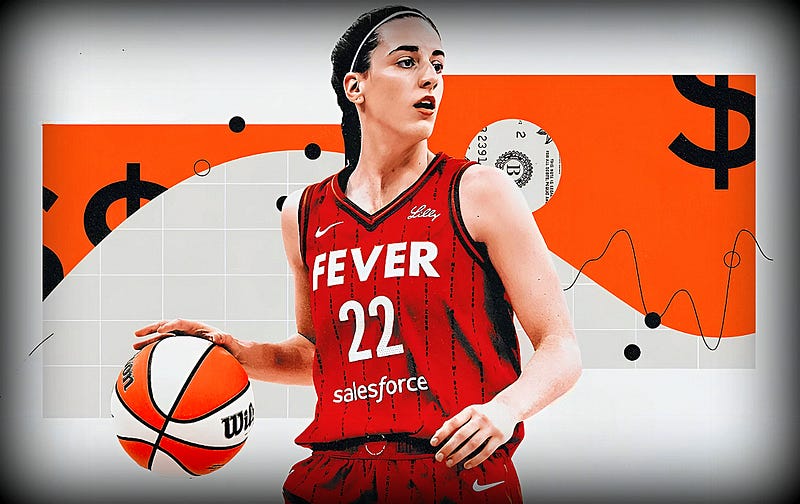
Critics like Matt Walsh and Ben Shapiro dismiss the WNBA as a “money-losing charity project” propped up by the NBA. They claim “nobody knows the players,” “nobody watches,” and players “demand unearned pay.” This ignores reality. Here’s why the WNBA is legitimate, necessary, and undervalued:
1. The NBA subsidy isn’t a bailout — it’s an investment.
Yes, the NBA funds the WNBA. But this is no different than Amazon investing in AWS or Disney bankrolling Pixar — early-stage ventures with explosive potential. The NBA isn’t donating charity; it’s building a strategic asset. And it’s working: franchise values have doubled since 2020, with teams like the Las Vegas Aces now worth $150M+. The WNBA’s media rights deal will triple by 2030. Smart money sees growth. Critics see red ink; investors see startup costs.
2. “Nobody knows the players”? Wrong.
Caitlin Clark is a phenomenon — but she’s the tip of the iceberg. Angel Reese’s jersey outsold every 2024 NFL, NBA, and MLB draftee. A’ja Wilson won back-to-back MVPs and leads the most-watched team (Aces). Sabrina Ionescu broke Stephen Curry’s 3-point contest record. Breanna Stewart has 2.3M Instagram followers. These athletes aren’t anonymous — they’re cultural icons with Nike deals, viral moments, and sold-out arenas. Claiming “only Clark matters” ignores the league’s depth.
3. “Nobody watches”? The numbers scream otherwise.
- 2025 WNBA season opener: Viewership up 154% YOY.
- Caitlin Clark’s debut: 2.1M viewers — higher than 2023 NHL Stanley Cup games.
- Las Vegas Aces vs. New York Liberty: Tickets resold for $2,000+.
- 2024 NCAA Women’s Final Four: 18.9M viewers (outdrew the men’s final).
This isn’t a “Clark bubble.” It’s a rising tide lifting the entire sport.
4. “Players want unearned pay”? They’re underpaid.
WNBA stars earn ~1% of NBA salaries while driving similar engagement per capita. Caitlin Clark’s $76K salary is less than an NBA benchwarmer’s per-game check. Yet her jersey sales, ticket surges, and TV ratings generate millions. The “Pay Us What You Owe Us” campaign isn’t greed — it’s a demand for fair revenue sharing. The NBA shares 50% of revenue with players; the WNBA shares 20%. When the league’s media deal explodes, so will salaries.
5. The college-to-pro pipeline isn’t optional — it’s essential.
Women’s college hoops is a billion-dollar phenomenon. But without the WNBA, stars like Clark, Reese, and Paige Bueckers have nowhere to go. The WNBA isn’t just a “stepping stone” — it’s the only destination for elite talent. Abandoning it would kill dreams and waste a generation of athletes. Investing in it isn’t idealism; it’s honoring the market.
The Bottom Line
The WNBA loses money? So did Tesla for 18 years.
Subsidized by the NBA? So was ESPN by ABC.
Players unknown? Tell that to Reese’s 3M Instagram followers.
Critics mock the WNBA as “woke charity.” In truth, it’s a badly undervalued asset in a market exploding with demand. The data, the culture, and the next generation of fans are all screaming the same thing: This league isn’t going anywhere but up. Disregard it at your own peril.