The Yabby: Australia’s Resilient Freshwater Crayfish
Few creatures capture the rugged resilience of Australia’s inland waterways like the yabby, Cherax destructor. This hardy freshwater…
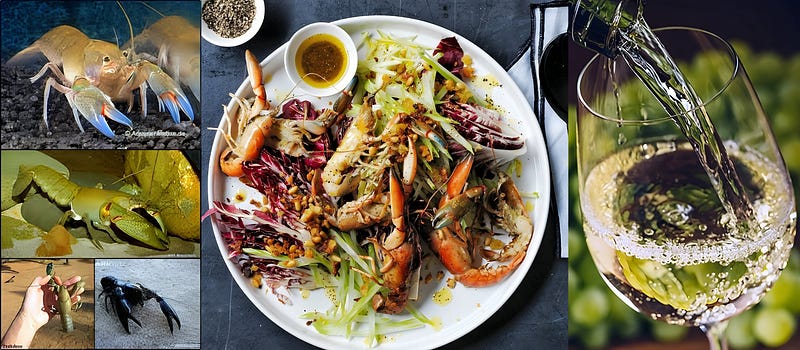
Few creatures capture the rugged resilience of Australia’s inland waterways like the yabby, Cherax destructor. This hardy freshwater crayfish is more than a quirky inhabitant of farm dams and billabongs — it is a survivor, a culinary delicacy, and a living thread in the ecological tapestry of the Outback. Its name alone hints at its indomitable spirit, while its cultural and gastronomic value ensures its place in both science and the kitchen.
Taxonomy
The yabby belongs to the family Parastacidae, a lineage of freshwater crayfish native to the Southern Hemisphere. Scientifically known as Cherax destructor, the species has earned an array of common names, including blue claw yabby, common yabby, and floodplain crayfish. Within the genus Cherax, it shares kinship with other notable species such as the marron (Cherax cainii) and red claw (Cherax quadricarinatus). Color morphs vary widely, from olive-green to deep cobalt blue, with some selectively bred strains prized for their vibrant appearance in aquaculture markets.
Biology
An adult yabby typically measures 10–20 cm (4–8 in) in body length, with exceptional individuals reaching up to 30 cm (12 in) and weighing as much as 350 g (12 oz). Its hard exoskeleton, segmented tail, and formidable chelae (claws) make it a classic crustacean both in form and function. Yabbies are omnivorous scavengers, feeding on decaying vegetation, algae, and small aquatic animals. They are also remarkable burrowers, digging deep into mud to survive droughts.
Reproduction peaks in the warmer months when water temperatures exceed 20°C (68°F). Females carry hundreds of eggs beneath their tails until the hatchlings emerge. Growth is rapid under favorable conditions, with juveniles molting frequently until maturity. Their adaptability is legendary — they can survive in water temperatures from near-freezing to 35°C (95°F) and tolerate significant fluctuations in oxygen levels.
Ecology
The natural range of the yabby spans much of inland southeastern Australia, thriving in rivers, creeks, billabongs, and man-made dams. Their burrowing behavior, while essential for survival during dry spells, can undermine dam walls and irrigation banks — a reminder of their tenacity. Ecologically, yabbies are key recyclers, breaking down organic matter and providing prey for native fish, birds, and turtles.
However, their resilience has made them both a blessing and a challenge. Introduced beyond their natural range, yabbies can outcompete local crayfish species. Responsible harvesting and containment are therefore essential for ecological balance.

Uses
Yabbies support a valuable aquaculture industry in Australia. Commercial farms produce them for both the live export market and domestic consumption. In rural communities, recreational yabbying — often with simple baited lines or lift nets — is a beloved pastime. The species’ robust nature makes it easy to transport live, ensuring freshness from dam to dinner plate.
From an economic perspective, yabbies represent a sustainable protein source when farmed responsibly. They require minimal feed, grow quickly, and can be raised in existing farm dams, making them an appealing option for integrated agriculture.
Culinary Aspects
In the kitchen, yabbies are celebrated for their sweet, delicate flesh, similar to lobster but softer in texture. Their tail meat is the most sought-after, though the claw meat is equally flavorful. Traditional bush recipes involve boiling them in salted water over an open fire, but modern chefs elevate them in dishes such as yabby bisque, pasta, or grilled with garlic butter.
A typical preparation might see yabbies simmered for 5–7 minutes in boiling water, then cooled and served chilled with lemon. Each 100 g (3.5 oz) serving delivers a protein-rich, low-fat boost, making them as healthy as they are delicious.
Wine Pairings
The subtle sweetness of yabby meat pairs beautifully with crisp, aromatic white wines. A cool-climate Australian Riesling, with its citrus and mineral notes, complements the flesh without overpowering it. Sauvignon Blanc from Adelaide Hills or a light, unoaked Chardonnay from Margaret River also works exceptionally well. For those preferring sparkling, a brut-style Tasmanian sparkling wine adds celebratory lift to any yabby feast.
Conclusion
The yabby is more than an Australian curiosity — it is a symbol of adaptation, a sustainable seafood option, and a culinary treasure. Whether burrowed deep in a muddy dam bank or steaming in a kitchen pot, Cherax destructor reminds us that survival and beauty often go hand in claw. As global demand for sustainable protein rises, the humble yabby may well move from rural delicacy to a broader stage, carrying its Outback spirit wherever it goes.