Vadouvan: The Sun-Kissed Spice That Bridges Continents and Cultures
Introduction
Introduction
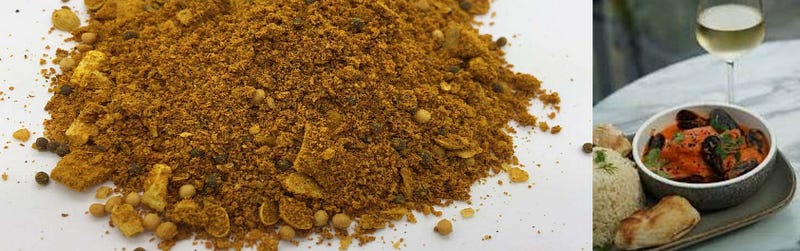
Vadouvan is more than a spice blend — it’s a tale of migration, memory, and meticulous craft. Born in the kitchens of southern India and transformed under the sun of French colonial influence, this aromatic mixture offers a culinary passport between East and West. Its warming complexity, redolent of toasted shallots, curry leaves, and fenugreek, represents a confluence of ancient botanical wisdom and modern gastronomic elegance. For lovers of flavor, food history, and sustainability, Vadouvan is a gateway into deeper questions about how we cultivate, consume, and connect through what we eat.
Taxonomy
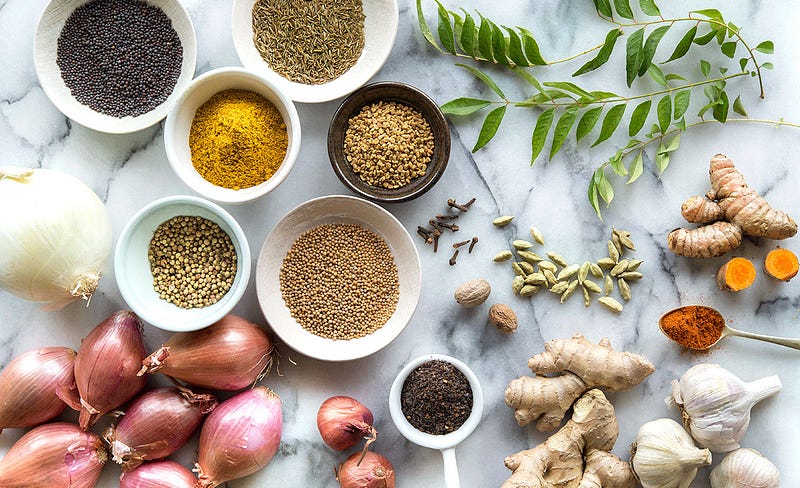
Unlike a single spice from a named plant species, Vadouvan is a composite, a culinary genus unto itself. Yet, its primary ingredients each hold their taxonomic place in the botanical world. Alliums like shallots and garlic belong to the genus Allium, with shallots classified as Allium cepa var. aggregatum and garlic as Allium sativum. Fenugreek, a hallmark of Indian and Middle Eastern cuisine, is Trigonella foenum-graecum. Curry leaves come from Murraya koenigii, while mustard seeds may hail from either Brassica juncea or Sinapis alba, depending on the region. These ingredients, combined with others like cumin (Cuminum cyminum) and turmeric (Curcuma longa), create a multilayered taxonomy of plant species. Each contributes not only its aroma but its ecological and cultural roots to the final mixture.
Biology
What makes Vadouvan biologically fascinating is the way it honors both fresh and dried botanical states. Shallots and garlic, when sliced and slowly dried under sunlight or low heat, transform enzymatic reactions that deepen their umami and create caramelized notes. Fenugreek’s hard, angular seeds, usually 3–4 mm long, must be tempered or ground to release their nutty bitterness. Curry leaves, rich in volatile oils like linalool and beta-caryophyllene, are prized not for their texture but their intense aroma. The blend operates almost like an ecosystem: each element must retain its signature while complementing the others.
Ecology
Most of Vadouvan’s key ingredients originate from subtropical and tropical climates. Shallots and garlic are hardy perennials suited for temperate regions, often grown in well-drained soils under full sun. Fenugreek thrives in arid, semi-arid environments and is remarkably drought-resistant. Curry leaves are native to the Indian subcontinent, flourishing in hot, humid regions at elevations up to 1,640 ft (500 m). These crops are generally low in input requirements and can be grown with minimal pesticide use, making them candidates for sustainable agricultural systems. However, rising global demand has put pressure on monocultures, particularly in shallot-producing regions of India and Southeast Asia. Sustainable cultivation methods — such as crop rotation, intercropping, and composting — can preserve biodiversity and soil health while meeting market demand.
Uses
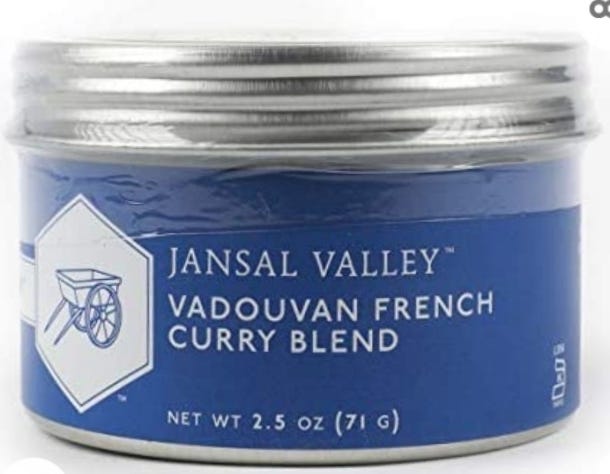
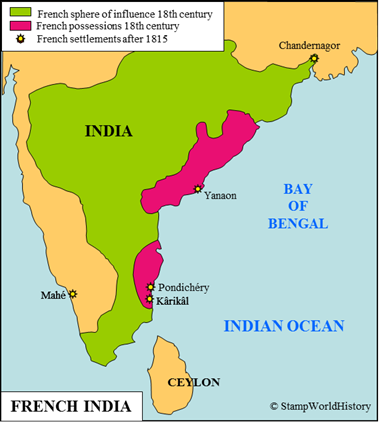
Vadouvan’s ascent into global pantries reflects shifting culinary borders and a renewed appetite for slow-crafted flavor. First popularized in the French colonial outpost of Puducherry (formerly Pondicherry), Vadouvan was adapted by French chefs who favored a milder, shallot-forward version of traditional Indian curry blends. Today, it’s used in everything from seafood rubs and compound butters to vegan stews and even popcorn seasonings. Economically, Vadouvan has carved a niche in premium spice markets, often retailing at $9–12 per 3.5 oz (100 g), especially when handcrafted or sun-dried in small batches. Artisanal producers, particularly those emphasizing organic or regenerative farming, are finding a growing market among sustainability-conscious consumers.
Culinary Aspects
The flavor of Vadouvan is earthy, warm, and faintly sweet, with a whisper of smokiness when sun-dried shallots and garlic are dominant. When sautéed in butter or ghee, its aroma blooms into a deeply comforting bouquet, reminiscent of both French onion soup and Indian sambhar. It is often used to season lentils, legumes, and root vegetables. In haute cuisine, Vadouvan has found its way into lobster bisques, roasted cauliflower purées, and sous-vide poultry glazes. For the home cook, even a pinch can elevate a weeknight dish from utilitarian to transcendent. Its versatility shines when paired with fat — be it dairy, coconut milk, or nut oils — allowing its aromatic oils to diffuse thoroughly.
A recipe might call for 1 tbsp (15 mL) of Vadouvan sautéed in 2 tbsp (30 mL) of butter, releasing fragrance in under two minutes. Once bloomed, it infuses everything it touches: grilled corn, lentil soup, or scrambled eggs. For vegans, pairing Vadouvan with coconut cream yields a silky curry base. Its gentle heat makes it accessible to sensitive palates, while its depth rewards culinary risk-takers.
Wine Pairings
Vadouvan’s gently spiced profile demands a thoughtful pour. Dry Rieslings, particularly those from the Alsace region, offer a bright counterpoint to its warm base, with stone fruit and minerality lifting the spice without clashing. Gewürztraminer, with its floral and lychee notes, harmonizes with the blend’s slightly sweet undertones. For those preferring reds, a young Pinot Noir — light on tannins and high on acidity — can balance Vadouvan dishes that include roasted meats or root vegetables. Sparkling wines also shine here: their effervescence cuts through the richness and resets the palate between bites. For non-alcoholic pairings, a chilled infusion of hibiscus and ginger offers acidity, floral balance, and an echo of spice.
Conclusion
Vadouvan is not merely a spice blend — it is a conversation between continents, a palimpsest of colonial history, botanical richness, and modern culinary artistry. Its growing popularity signals a shift in how we think about food: not just in terms of taste, but of terroir, tradition, and the invisible threads that connect farm to fork. As consumers seek out more meaningful ingredients — those that nourish both body and conscience — Vadouvan offers a fragrant roadmap to a more sustainable, more flavorful future. It asks us to slow down, to savor, and to remember that in every pinch lies a story.