Whispers Beneath the Ganshui: The Enigmatic Journey of the Ganshui River Banqu
The Ganshui River winds like a silver ribbon through southern China, but the story of the Banqu catfish leads us across a border into a…
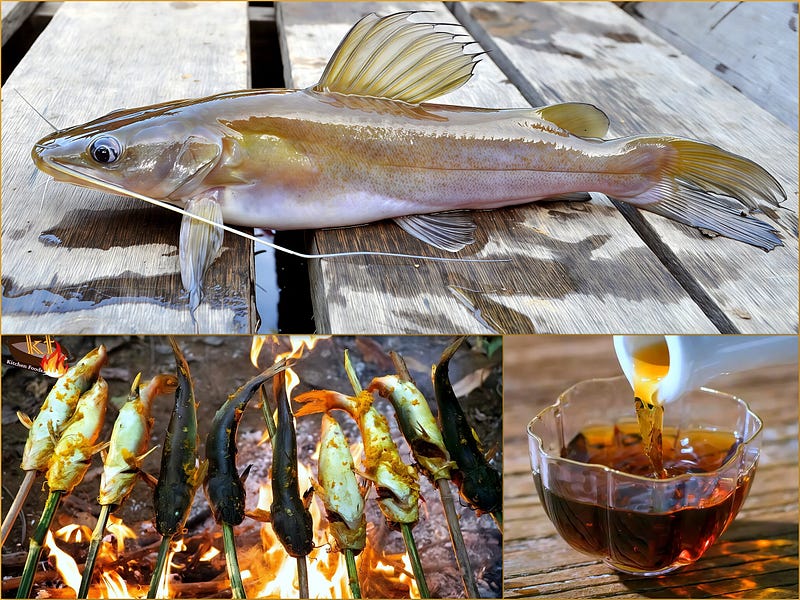
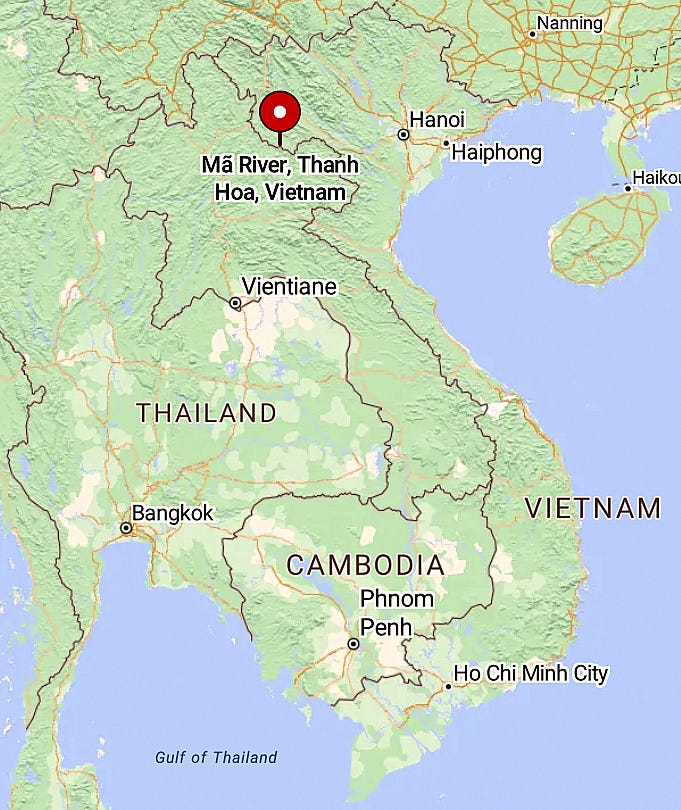
The Ganshui River winds like a silver ribbon through southern China, but the story of the Banqu catfish leads us across a border into a more secluded realm. Hemibagrus camthuyensis, known locally as the Ganshui River Banqu, is not a widely roving species. It is a rarity known only from the Song Ma drainage in northern Viet Nam, an intricate network of tributaries feeding the larger Ma River system. This confined range gives the species an almost mythical aura, a fish bound to one hidden cradle of the earth. To understand this creature is to listen closely to the murmurs of a river valley few outsiders have ever explored.
Taxonomy and Identity
Hemibagrus camthuyensis belongs to the family Bagridae, a lineage of whiskered catfish that have long supported riverside communities across Asia. Yet this one stands apart in its geographical isolation. Fishermen of the Song Ma drainage speak of its gentle curves and dusky silver body, calling it Banqu, or “half‑curve,” for the elegant arch it makes when resting in still water. No recognized subspecies exist, though slight variations in color and size have been noted among tributaries.
Biology and Unique Adaptations
The Banqu typically measures around thirty centimeters, or twelve inches, though particularly old individuals may reach fifty centimeters, about twenty inches. Its smooth, scaleless body, lined with sensitive barbels, is built for life in murky, fast-changing currents. During late spring, as the Song Ma swells, males guard adhesive eggs clinging to submerged roots until the fry emerge. This nurturing behavior, rare among catfish, ensures that the next generation inherits a fighting chance in a river where survival is never guaranteed.
Ecology and River Role
This species is inseparable from the ecology of the Song Ma drainage. It feeds on insect larvae, crustaceans, and smaller fish, shaping the balance of life within these headwaters. It's foraging stirs sediment, oxygenating the riverbed, and nurturing aquatic plants. Yet its narrow distribution leaves it vulnerable. Hydropower projects, pollution, and overfishing in northern Viet Nam threaten to upset an ecosystem that has remained delicately balanced for centuries. Conservation groups now advocate for protected zones and seasonal harvest limits, seeking to preserve this fish as both a living heritage and a keystone of the local river web.
Uses and Market Relevance
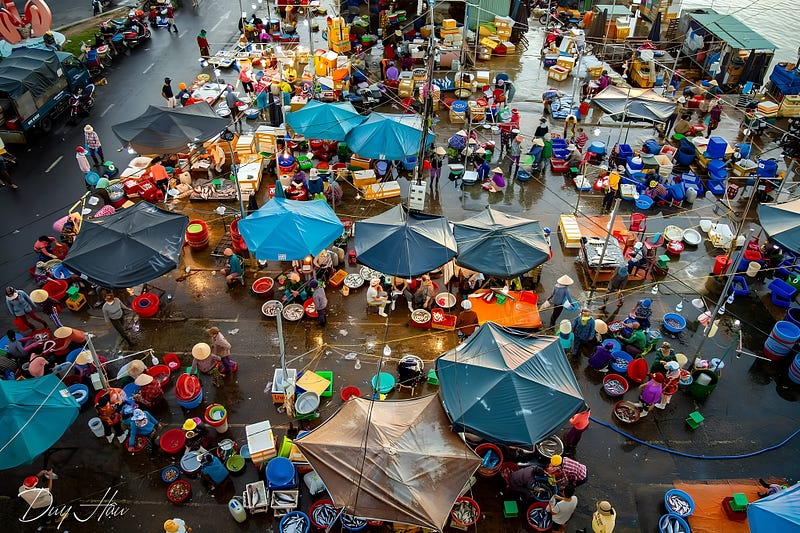
Within rural markets near Thanh Hoa Province, a live Banqu of two kilograms, roughly four and a half pounds, is considered a treasure. Its flesh travels well when properly iced, bringing premium prices in regional trade. Experimental aquaculture is underway, with smallholder farmers attempting to cultivate Banqu in controlled ponds, relieving pressure on the wild population. If successful, these efforts could turn a localized delicacy into a sustainable symbol of Viet Nam’s inland fisheries.
Culinary Aspects and Gastronomic Charm
To dine on Banqu is to experience the Song Ma itself. Its flesh is firm yet yielding, with a subtle sweetness and a depth of flavor that grows more pronounced when braised. In villages along the drainage, cooks simmer Banqu with wild ginger, mountain pepper, and local rice wine, filling kitchens with steam scented of earth and citrus. Some smoke the fillets over tea leaves, creating a fragrant dish that flakes apart in the hand. A one-hundred-gram portion, about three and a half ounces, provides ample protein while remaining low in fat, a gift to both health and palate.
Wine Pairings and Harmonies
Banqu’s delicate, clean flavor welcomes a wide spectrum of wines. A Sauvignon Blanc from New Zealand, bright with herbal and citrus notes, enlivens its sweetness. A youthful Shaoxing rice wine offers a traditional counterpart, its mellow nuttiness enhancing the fish’s subtle depth. Even a light Pinot Noir, served slightly chilled, can create a beguiling contrast when paired with smoked Banqu, the fruit and umami mingling like eddies in the river itself.
Conclusion and Reflection
Bound to the Song Ma drainage, Hemibagrus camthuyensis is a testament to the wonder that can arise in a single hidden corner of the world. Its story is one of adaptation, cultural reverence, and the fragile beauty of a species surviving in a narrow thread of habitat. Protecting it means preserving not just a fish but the spirit of a river and the generations who have drawn sustenance from its flow. To savor Banqu is to taste a legacy, and to safeguard it is to honor a future where nature and tradition endure together.