Whispers of the Bog: The Enigmatic Gale (Myrica gale)
In the misty lowlands where peat-scented air mingles with the tang of wet moss, a shrub with ancient heritage quietly weaves itself into…
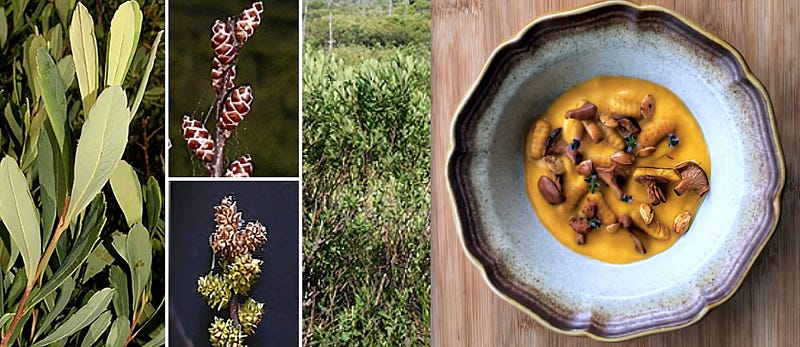
In the misty lowlands where peat-scented air mingles with the tang of wet moss, a shrub with ancient heritage quietly weaves itself into the tapestry of northern life. Known as Gale or Sweetgale, Myrica gale has long been treasured in folk tradition, its aromatic leaves and catkins lending mystery to brews, tonics, and stories whispered around firelight. It is a plant that bridges biology and culture, science and artistry, embodying a balance between ecological resilience and human curiosity.
A Taxonomy Rooted in Tradition
Myrica gale belongs to the family Myricaceae, a lineage of aromatic shrubs known for their resinous foliage. It is commonly referred to as Sweetgale, Bog Myrtle, or Dutch Myrtle, names that echo across Scottish moors, Scandinavian bogs, and North American wetlands. There are no widely recognized subspecies, though subtle regional varieties exist, adapted to differing soil chemistries and seasonal patterns. Unlike many culinary herbs, Myrica gale has maintained a certain exclusivity, flourishing in overlooked places and resisting mass cultivation.
The Biology of a Survivor
The shrub rarely grows taller than six feet, or about 1.8 meters, yet its wiry frame and glossy, narrow leaves mark it as a hardy survivor. Its foliage releases a sweet, resinous aroma when crushed, a trait evolved to deter pests. In spring, golden catkins unfurl before the leaves appear, a strategy that ensures wind pollination without interference from foliage. The plant is dioecious, with separate male and female individuals, and its root systems thrive in nutrient-poor soils by forming symbiotic relationships with nitrogen-fixing bacteria. This adaptation allows it to flourish where others fail, from acidic bogs to windswept dunes.
Ecology and the Dance of Wetlands
Myrica gale plays a crucial ecological role in stabilizing wetland soils and enriching them with nitrogen. Its presence signals a functioning, healthy bog ecosystem, offering shelter to invertebrates and nesting material for birds. Harvesting must be done with care; bog habitats are fragile and slow to recover if damaged. Sustainable practices, such as selective handpicking and respecting growth cycles, ensure that these aromatic shrubs continue to perfume northern landscapes without depletion.
Uses That Span Centuries
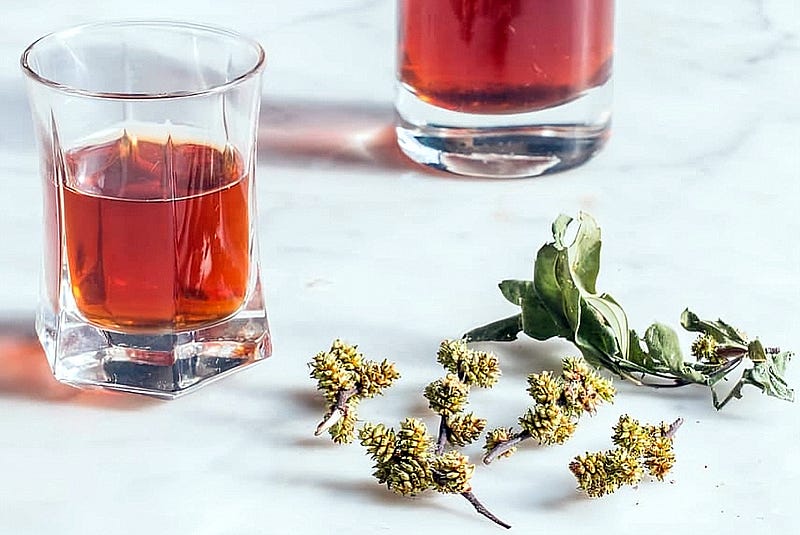
Historically, Myrica gale was valued as a natural insect repellent, its leaves tucked into bedding or brewed into washes. Medieval Europeans used it to flavor ale before the reign of hops, creating a heady brew that blended spice and earthiness. Today, foragers and craft distillers prize it for infusing gins, bitters, and specialty liqueurs. The economic relevance of Sweetgale remains modest but promising, as niche markets for heritage flavors and sustainable botanicals expand. When harvested responsibly, it aligns perfectly with modern demands for ethical sourcing and authentic taste.
Culinary Aspects and the Alchemy of Flavor
The leaves of Sweetgale carry a profile unlike any common kitchen herb. They offer a bittersweet complexity, with resinous top notes reminiscent of bay and juniper, underpinned by a warm, woody depth. In cooking, a few leaves can transform a slow-simmered stew or a game marinade, lending an aroma that lingers like the memory of a forest walk. When dried, the leaves maintain their potency, though fresh leaves impart a sharper brightness. Nutritionally, the plant contributes trace antioxidants and beneficial oils, though its use is primarily culinary and aromatic rather than dietary.
Wine Pairings for a Northern Treasure
Dishes infused with Sweetgale call for wines that respect its assertive character. A full-bodied Chardonnay, with its buttery richness and subtle oak, complements the resinous undertones. A Pinot Noir, light yet earthy, mirrors the shrub’s woodland heritage. For those who dare, a dry Riesling offers a citrusy counterpoint, lifting the palate and amplifying the herb’s brightness. Each pairing creates a dialogue between the wild and the refined, the ancient and the contemporary.
A Reflective Conclusion
Myrica gale stands as a quiet testament to the beauty of overlooked things. In an age of globalized flavors, it invites us back to the intimate knowledge of our landscapes, where resilience and subtlety reign. To encounter Sweetgale is to be reminded that innovation often begins with rediscovery, and that sustainability is not just a practice but a way of seeing. Next time you wander through a misty bog or browse the offerings of a craft distiller, consider this humble shrub and the centuries of flavor and folklore it carries within its fragrant leaves.