Why People Do Stupid Things When They’re Drunk, and What You Can Do Before, During, and After You…
Alcohol’s Impact on the Brain: Why Intoxication Impairs Judgment

Why People Do Stupid Things When They’re Drunk, and What You Can Do Before, During, and After You Do Something Stupid When You're Drunk
Alcohol’s Impact on the Brain: Why Intoxication Impairs Judgment
Alcohol is a central nervous system depressant, meaning it slows down brain activity[1]. Initially, a few drinks might produce a “buzz” or relaxed feeling as alcohol lowers anxiety and creates mild euphoria. However, as blood alcohol levels rise, this depressant effect becomes pronounced, leading to impaired judgment, reduced inhibition, slowed reflexes, and poor concentration[1]. In biochemical terms, alcohol binds to neurotransmitter receptors that alter brain signaling. It enhances GABA (an inhibitory neurotransmitter that calms brain activity) and suppresses glutamate (an excitatory neurotransmitter), resulting in a sedating effect on the brain. [2] This is why a person’s internal brakes on behavior are weakened — the brain regions that normally curb impulses get subdued, making it easier to act on urges without thinking of consequences. Alcohol also triggers a spike of dopamine, a reward chemical, which contributes to feeling good and can reinforce risky behaviors (by rewarding the brain for them)[3]. In short, intoxication chemically tilts the brain toward short-term gratification over caution, setting the stage for potentially reckless or “stupid” decisions.
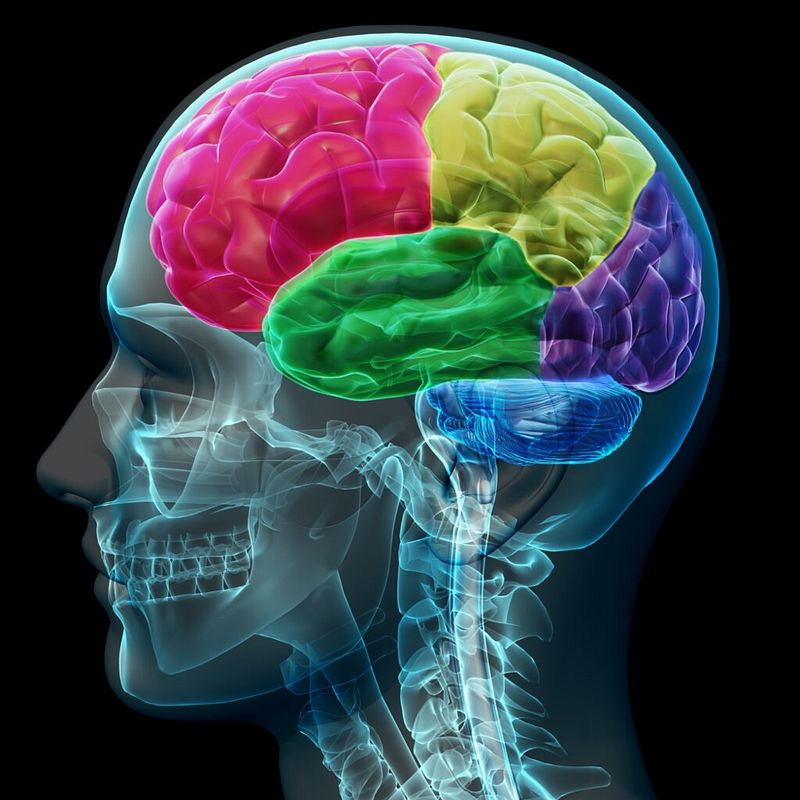
Alcohol impairs the brain’s frontal lobes (shown in pink), which govern judgment, decision-making, and impulse control[4]. By depressing activity in these regions, alcohol causes disinhibition — meaning people are more likely to act on impulses they’d normally suppress. Furthermore, alcohol dulls the brain’s internal alarm signals: studies show it reduces the “warning” signal we get when we make mistakes, so while you may recognize an error, you care less about correcting it when drunk[5][6].
Critical brain areas affected include the prefrontal cortex (responsible for rational planning and impulse control) and the hippocampus (responsible for memory formation). With enough alcohol, the prefrontal cortex goes offline. As a result, people lose their inhibitions — they might say or do things they normally wouldn’t because the brain’s self-monitoring system is compromised. At the same time, memory encoding in the hippocampus is disrupted, which is why blackouts (amnesia for events) can occur during heavy drinking[7]. The combination of lowered inhibitions, blunted judgment, and distorted reward signals means an intoxicated person might find risky behaviors (speeding, aggressive outbursts, unsafe sex, etc.) more appealing or less obviously dangerous than they truly are. In essence, alcohol chemically unbalances the brain’s control systems, tilting behavior toward immediate pleasure-seeking and away from prudent decision-making.
Repeated Intoxication and Mental Health Implications
Engaging in intoxicated behavior frequently or over a long period can have deeper psychiatric and neurological consequences. Impulsivity often goes hand-in-hand with alcohol misuse. Acutely, being drunk increases impulsive behavior by weakening self-control, and chronically, heavy alcohol use can further increase baseline impulsivity as the brain adapts (a process called allostasis)[8]. In other words, not only does alcohol make a person impulsive while under the influence, but over time, habitual drinking can erode one’s self-regulatory capacity even when sober, creating a vicious cycle of poor impulse control[8]. This can manifest as a pattern of repeatedly making risky choices, feeling regret, yet struggling to change the behavior.
From a psychiatric perspective, repeated alcohol intoxication and reckless behavior can both stem from and contribute to co-occurring mental health issues. Many individuals who have underlying disorders — such as anxiety, depression, post-traumatic stress disorder (PTSD), or ADHD — may use alcohol to self-medicate these issues. In fact, alcohol use disorder frequently co-occurs with depressive, anxiety, and trauma-related disorders[9]. Using alcohol to cope provides temporary relief but often worsens those psychiatric symptoms in the long run[10]. Alcohol’s depressive action on the brain can intensify low mood and anxiety once the initial buzz wears off, and its impact on neurotransmitters can leave one more emotionally volatile. Over time, chronic heavy drinking can disrupt the brain’s dopamine and stress systems, contributing to the development or worsening of mood disorders like clinical depression and anxiety disorders[11][12].
Importantly, the relationship is bidirectional: pre-existing mental health conditions (or unresolved trauma) increase the risk of heavy alcohol use, and heavy alcohol use increases the risk of new or worsened mental health conditions[10]. For example, someone with a history of trauma may drink to numb distressing memories or feelings, temporarily easing their pain. Yet alcohol misuse can create new trauma (e.g., accidents, fights, or victimization while intoxicated) and add to feelings of guilt or shame, compounding the original problem. Research shows that alcohol use disorders and other psychiatric disorders often share common risk factors, including genetic vulnerabilities and adverse childhood experiences[13]. Thus, if a person repeatedly “gets drunk and does stupid things,” it may signal underlying issues like impulsivity traits or unresolved trauma driving the behavior, and these issues in turn can be exacerbated by the consequences of those intoxicated actions. Recognizing this cycle is important: treating only the alcohol use without addressing co-occurring disorders (or vice versa) may be less effective. An individual in this situation might benefit from integrated care that targets both the substance use and the mental health aspects.
Before Drinking: Planning to Reduce Harm
One of the best opportunities to prevent regrettable intoxicated behavior is before you start drinking, by planning and setting safeguards. Strategies to consider include:
- Set Clear Limits in Advance: Decide before the first drink how much you will drink and stick to it[14]. For example, you might commit to no more than 3 drinks total, or only drinking on a set number of days per week[15]. It’s much easier to maintain self-control if you establish these boundaries while sober. Define what a “drink” means (e.g., one 12-oz beer, 5-oz wine, or 1.5-oz liquor is one standard drink) and consider spacing them out. Also, plan to incorporate alcohol-free days every week to break any habit cycle[16]. Writing down your limit or telling someone can solidify your commitment.
- Identify Triggers and High-Risk Situations: Reflect on the people, places, or emotions that tend to lead you to drink too much or act recklessly. Do you get into trouble when you attend a certain bar or when you’re with specific friends? Do feelings like stress, anger, or social anxiety drive you to binge? Make a plan to manage or avoid these triggers[17]. For instance, if you know that drinking games or rounds of shots cause you to lose count, decide to skip those entirely. If certain social settings tempt you to overdo it, you might choose alternative activities (see a movie instead of a keg party) or set a stricter limit in those environments. You can also remove or limit access to alcohol in your home if having it readily available leads to impulsive drinking[18].
- Eat and Hydrate Beforehand: Never start drinking on an empty stomach. Eat a balanced meal with protein, fat, and carbohydrates before you drink (and consider snacking during drinking)[19]. Food in the stomach slows alcohol absorption, which can prevent the rapid spikes in blood alcohol that often precipitate “blackouts” or extreme disinhibition. Staying hydrated by drinking water beforehand is also helpful. Essentially, proper food and water intake act as a buffer, moderating the pace at which alcohol hits your system so you’re less likely to become overwhelmingly intoxicated too quickly[20].
- Plan Your Transportation and Buddy System: Before going out, figure out how you will get home safely — and who you’ll be with[21]. Designate a sober driver in your group or arrange for a taxi/rideshare/public transit. Planning transportation ahead of time removes the temptation to drive under the influence and also sets an expectation for when and how the night will end. It’s also wise to go out with trusted friends rather than drinking alone. Let your friends know you’re trying to stick to a limit; a good friend can help remind you if you start to push past it. This accountability can be as simple as a mutual agreement — “we’ll watch out for each other tonight.” In a supportive environment, friends can also intervene or check in if they see you making unsafe choices.
- Harness Motivations and Support: Think about why you want to avoid drunken misbehavior — for example, “I don’t want to embarrass myself or hurt anyone” or “I need to protect my health/career.” Keeping your personal motivations in mind strengthens your resolve. Some people write a note in their phone or set a reminder for these reasons. Additionally, tell a family member or close friend about your plan to drink responsibly so that you have their support[22][23]. Knowing that someone else is aware of your goal can increase your sense of accountability. If available, you might also use apps or tools (even the CDC’s “Drink Less” planner) to formalize your plan and set reminders[24]. By laying this groundwork before drinking begins, you greatly increase the odds that you’ll stay within safe bounds and maintain better judgment through the night.
During Drinking: Strategies to Stay in Control
Even with good planning, what you do while drinking is crucial for minimizing harm. Here are evidence-based techniques to practice during drinking sessions:
- Pace Yourself — Don’t Gulp or Binge: Rapid alcohol consumption overwhelms your brain’s ability to compensate, leading to quick loss of inhibition and judgment. Make a conscious effort to “nurse” your drinks by sipping slowly instead of chugging[25]. Avoid drinking games, shots, or any contests that encourage consuming lots of alcohol in a short time[26]. A useful guideline is to stick to about one standard drink per hour, as this roughly aligns with how fast the body can metabolize alcohol. If you notice you’re drinking faster than that, hit the pause button. This pacing is important because binge drinking (e.g. 4–5 drinks in under two hours) is strongly associated with poor decision-making — people who binge are more likely to get in fights, drive drunk, or do embarrassing things they later regret[25]. By pacing, you give your brain a chance to keep some control, and you can monitor the effects as you go.
- Alternate Alcohol with Water or Soft Drinks: A classic harm-reduction technique is to drink a non-alcoholic beverage between each alcoholic drink[20]. For example, after finishing a beer or cocktail, have a glass of water or a soda before the next alcoholic one. This accomplishes two things: it keeps you hydrated (since alcohol causes dehydration) and it slows down your alcohol intake, effectively cutting the rate of consumption in half. Staying hydrated can also help you feel more full, which may reduce the urge to keep drinking rapidly. Some people also choose drinks with lower alcohol content (like a light beer or a wine spritzer) or switch to a mocktail later in the evening to taper off[27]. Alternating and diluting your alcohol intake in these ways can prevent reaching that critical level of intoxication where you start doing truly unwise things.
- Keep Track of How Much You’ve Had: In the moment, especially in social settings, it’s easy to lose count of drinks. Use a system to count your drinks so you don’t accidentally overshoot your limit[28]. This could be as simple as making a note in your phone, tallying marks on your wristband, or asking a friend to remind you. Many people underestimate their intake when pouring their own drinks, so if you’re having mixed drinks, be mindful of the actual amounts (for instance, that “double” you poured counts as two standard drinks). Tracking consumption is a form of staying self-aware. It helps you recognize “I’ve had enough” before you are too intoxicated to make that judgment. Remember that standard drink sizes matter — if you’re served a red Solo cup of punch, you have no idea how many drinks equivalent it contains. In such cases, it’s safest to avoid large communal drinks of unknown strength[29]. By monitoring intake and sticking to your pre-set limit, you retain more control over your actions.
- Stay Connected with Friends and Check In: While drinking, periodically check in with a sober or less-intoxicated friend about how you’re doing. Sometimes a quick chat can ground you (“How do I seem? Am I acting okay?”). Good friends can give you honest feedback or a reality check if you start to drift toward bad decisions. Also, look out for each other — if you see a friend becoming dangerously drunk or about to do something risky, step in and help redirect them. Being an active bystander can prevent harm; for example, if someone in your group shows signs of alcohol overdose (confusion, vomiting, passed out, slow breathing), don’t ignore it — take action to get them safe (turn them on their side, call for medical help)[30]. Surrounding yourself with people who have a mutual care agreement (“we’ll all get home safe and keep an eye out”) creates a safety net. It’s easier to stay responsible when your social circle is collectively mindful of safety.
- Avoid Mixing Alcohol with Other Substances: Another important safety rule during drinking is do not combine alcohol with other drugs or medications. Mixing alcohol with sedatives or opioids can magnify the depressant effects and lead to dangerous levels of unconsciousness or respiratory depression, while mixing with stimulants (like cocaine or even too much caffeine/energy drinks) can mask your perception of intoxication and lead you to drink far more than you realize[31]. Always check medication labels for alcohol interactions — many prescriptions (even some antibiotics or antidepressants) warn against alcohol use. The combination of substances can unpredictably increase impairment. To keep judgment intact, it’s safest to let alcohol be the only mind-altering substance in your system; adding others often creates a “recipe” for losing control and engaging in truly hazardous behaviors.
By implementing these strategies during drinking — pacing, alternating fluids, tracking, peer monitoring, and avoiding mixes — you give yourself the best chance to enjoy alcohol in moderation while preserving your better judgment. These habits help keep your brain in the safer zone of impairment (buzzed but not blotto), reducing the likelihood of reckless mistakes.
After Drinking: Coping with Regrets and Learning from Mistakes
If you do end up having too much to drink and behave in ways you regret, what happens after the event is crucial for both psychological recovery and preventing future recurrences. Here are steps and strategies for after an intoxication mishap:
- Allow Yourself to Process What Happened: It’s common to feel a wave of shame, guilt, or anxiety once you sober up and remember (or are told about) your actions. As painful as it is, don’t immediately shove those feelings away or jump into denial. Both guilt and shame serve a purpose: when they are justified by your actions, they signal that something needs to change[32]. Instead of drowning in self-hatred or, on the flip side, trying to laugh it off without reflection, find a safe space to honestly confront what happened. For example, you might write down your recollection of events and feelings, or talk it through with a trusted friend. Acknowledging the mistake is the first step. Sit with the discomfort long enough to understand it — this is a principle in therapies like CBT/DBT that suggests appropriate guilt can motivate healthy change[32]. Remind yourself that feeling bad about a bad behavior is normal, and it shows you care about doing better.
- Manage the Shame and Practice Self-Compassion: While you should let yourself feel regret, there’s a balance to strike. Beating yourself up endlessly is not productive; it can actually backfire by driving you to seek escape (sometimes people end up drinking more to numb shame, creating a cycle)[33]. So, face the shame but also forgive yourself once you’ve recognized the problem[34]. It might help to remember that alcohol-induced mistakes are extremely common, and who you are while drunk is not your full reflection as a person[35]. Adopt a compassionate inner voice: for instance, think of what you would tell a good friend if they confessed the same blunder. You’d likely say “Everyone messes up — what matters is you make it right and learn from it.” Extend that understanding to yourself. Techniques like mindfulness and self-compassion exercises (deep breathing, affirmations that you are more than one night’s mistake) can assist in moving through the shame without getting stuck. The goal is to learn, not ruminate.
- Make Amends and Take Responsibility: After a drunken incident, survey the damage and actively repair what you can. This is often referred to as “making repairs” in Dialectical Behavior Therapy (DBT) — it means taking responsibility for the consequences of your actions[36]. Start by apologizing sincerely to anyone you may have hurt or offended[36]. If you said something cruel to a friend, reach out and express your regret. If you broke or lost someone’s property or caused a mess, offer to pay for it or replace it. Taking these steps can be humbling, but it’s crucial for rebuilding trust and your own self-respect. Moreover, making amends isn’t just for others — it’s for you. Owning up to your actions is linked to reduced shame in the long run, because you know you’ve done what you can to set things right[37]. On the other hand, if you try to ignore or hide the mistake, the unresolved guilt may linger and weigh on you. So have those hard conversations: acknowledge that your intoxicated behavior was out of line, and express that you are working to prevent it from happening again. Most people will appreciate the accountability and forgive you, especially if it’s a first-time offense. And if someone is initially angry, give them time — the important part is that you did the right thing by apologizing and making amends. This step helps you “close” the incident and signals to both yourself and others that you take it seriously.
- Look After Your Physical and Mental Health: A rough night out can take a toll on your body and mind. In the days after, focus on self-care to recover. Physically, rehydrate and replenish: drink plenty of water or electrolyte fluids, eat nutritious food (even if you lack appetite, your brain needs the fuel), and get some rest. A simple exercise like a walk can help shake off the grogginess. This recovery phase is important because physical well-being and mood are connected — dehydration and poor nutrition can worsen anxiety or depression following alcohol use[38]. Mentally, try not to catastrophize the situation. Remind yourself that one night does not define you, and it’s what you do next that matters. Sometimes, engaging in a positive activity (meet up with supportive friends, do a hobby you enjoy) can help rebuild a sense of normalcy and self-worth after the blow to your confidence. However, avoid “comforting” yourself by drinking again soon after; give your brain and body a break. If sleep is disturbed by worry or the after-effects, practices like mindfulness meditation or breathing exercises before bed can calm your mind.
- Reflect and Learn for Next Time: Once you’ve apologized and begun mending any external damage, turn an analytical eye inward. Ask yourself why the incident happened and what you can do differently in the future. Was there a particular trigger — an emotion or conflict — that set off the binge or reckless act? Did you neglect one of the “before” or “during” strategies that could have helped (for instance, maybe you realize “I skipped dinner and that hit me hard” or “I lost track of drinks when shots came out”)? This isn’t to make excuses, but to identify concrete preventative measures. Many addiction counselors emphasize the value of a “relapse autopsy,” meaning you dissect the chain of events to see where you could intervene next time. In fact, experiencing a lapse can strengthen one’s commitment to change if you treat it as a learning opportunity rather than a failure[39][40]. For example, you might conclude: “I need to avoid tequila shots; that never ends well,” or “If I’m feeling upset, I should not drink while in that mood.” Create a short list of lessons learned. The very discomfort you feel now can be a powerful deterrent against repeating the same mistake — as the saying goes, “learn from your mistakes” is an essential life skill, and the brain tends to remember situations that caused pain or shame as signals to change behavior[41]. Use that to your advantage by solidifying a plan to handle things differently going forward.
- Consider Professional Help if Needed: If episodes of reckless drunken behavior have happened multiple times, or if, despite your effort,s you continue to lose control with alcohol, it may be time to seek additional support. Repeated intoxication-related problems could indicate an alcohol use disorder, which often benefits from treatment. Talk to a healthcare provider or counselor about what’s going on. There are evidence-based interventions like Cognitive-Behavioral Therapy (CBT) for addiction, which can teach you skills to manage cravings and respond to triggers more effectively. Motivational Interviewing techniques might help you resolve ambivalence and strengthen your personal motivation to change your drinking habits. In therapy, you can also explore whether any co-occurring issues are present — it’s very common for people with alcohol problems to also have conditions like depression, PTSD, or anxiety, and addressing those is key to breaking the cycle[9]. Indeed, sometimes the “stupid” things done while drunk are symptomatic of deeper pain or trauma that needs healing. Seeking help can uncover if you’ve been using alcohol to cope with something unresolved. For instance, a therapist or support group can help you safely process trauma or teach healthier coping skills for stress, so you don’t feel the need to get obliterated to escape feelings[42]. There is no shame in reaching out — on the contrary, it shows strength and foresight. Resources might include addiction counselors, psychiatrists (who can discuss if medication like naltrexone or others[43] could help reduce cravings), or support groups (ranging from 12-step programs like AA to moderation management groups or SMART Recovery). Even a single session with a counselor for brief intervention can provide personalized strategies. The bottom line is: if you find yourself stuck in a pattern of dangerous intoxication, help is available and recovery is possible. Many people turn such crises into positive change with the right support, transforming reckless drinking habits into a safer relationship with alcohol or sobriety.
Finally, as you move forward, pat yourself on the back for addressing the issue. It’s easy to either dismiss bad drunken behavior as “just what happens” or to wallow in self-loathing — but you’re doing the harder but healthier thing: taking responsibility and striving to improve. Each step — whether it’s setting limits before drinking, pacing yourself during, or making amends after — is part of a comprehensive harm reduction approach. By understanding the neurochemical reasons behind alcohol’s disinhibition, recognizing the psychological patterns that might be at play, and applying practical strategies before, during, and after drinking, individuals can greatly reduce the likelihood of “stupid” mistakes and protect both their brain and their well-being. It’s about respecting what alcohol can do to you and proactively staying in the driver’s seat of your actions, as much as possible. With knowledge and planning, you can enjoy social drinking more safely or decide not to drink at all — and either choice is far better than repeatedly reliving the cycle of intoxication and regret. Remember, every effort to reduce alcohol-related harm is a win for your health and your future[44]. Stay safe and take care.
Sources: The explanations and strategies above are informed by current research on alcohol’s effects on the brain and evidence-based harm reduction approaches. Key references include neuroscience findings on alcohol and the frontal lobes[2][3], studies on how alcohol dampens the brain’s error-monitoring “alarm” system[5], and guidance from public health organizations on safer drinking practices[15][25], among others. Each cited source (in brackets) corresponds to research or expert recommendations that underpin the statements made. By integrating these insights, the content provides a science-backed understanding of “why we do stupid things when drunk” and offers practical, empathetic advice for anyone looking to break that pattern.
Citations
[1] [2] [3] [4] [7] [12] How Alcohol Affects Your Brain | North Georgia Counseling Services
https://ngacs.org/how-alcohol-affects-your-brain/
[5] [6] Alcohol study: Why smart people do dumb things | Mizzou Weekly | University of Missouri
[8] Understanding the construct of impulsivity and its relationship to alcohol use disorders — PMC
https://pmc.ncbi.nlm.nih.gov/articles/PMC2895996/
[9] [10] [13] Mental Health Issues: Alcohol Use Disorder and Common Co-occurring Conditions | National Institute on Alcohol Abuse and Alcoholism (NIAAA)
[11] The Impact Of Alcohol Abuse On The Brain And Mental Health — The Ridge Ohio
https://theridgeohio.com/alcohol-abuse/effects/brain/
[14] [19] [21] [26] [28] [29] [30] Alcohol Risk Reduction | Center for Health Education & Wellness
https://wellness.utk.edu/alcoholriskreduction/
[15] [16] [17] [18] [22] [23] [24] Getting Started With Drinking Less | Drink Less Campaign | CDC
https://www.cdc.gov/drink-less-be-your-best/getting-started-with-drinking-less/index.html
[20] [25] [27] [31] [43] [44] Harm Reduction Strategies for Alcohol — Partnership to End Addiction
https://drugfree.org/article/harm-reduction-strategies-for-alcohol/
[32] [35] [36] [37] [38] [41] [42] Help! I Got Drunk and Embarrassed Myself | Evolve Treatment
https://evolvetreatment.com/blog/drunk-embarassed-myself/
[33] [34] [39] [40] Drunken Mistake Recovery Guide