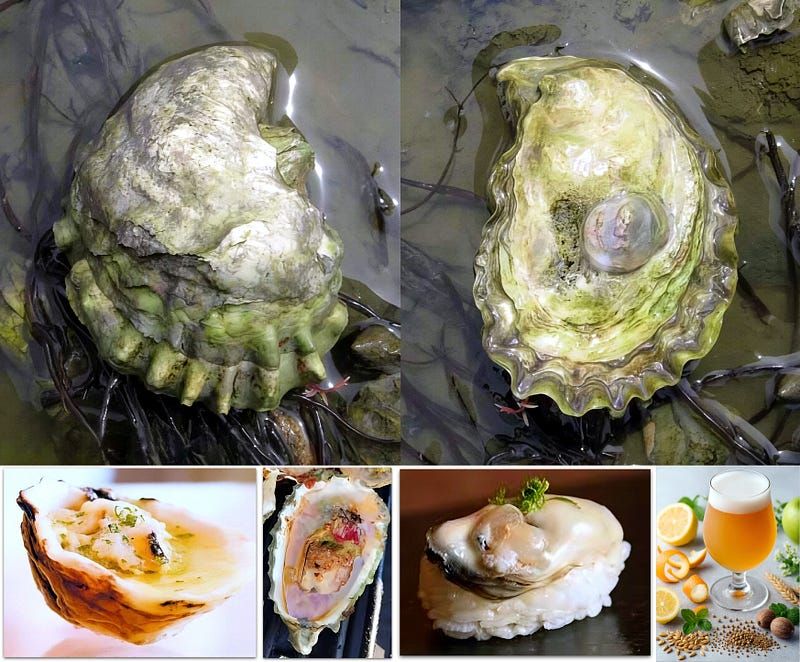
Wings of the City: The Untold Elegance of the Rock Dove
Introduction: The Rock Dove, Columba livia, is one of the most paradoxical birds in the world. Simultaneously revered and reviled, it has…
Introduction:
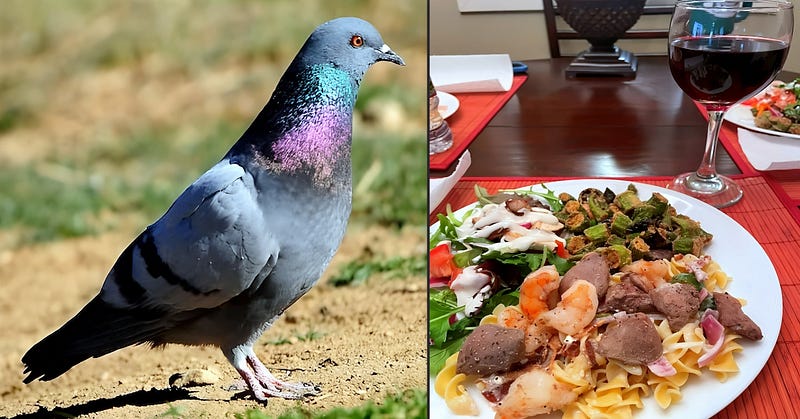
The Rock Dove, Columba livia, is one of the most paradoxical birds in the world. Simultaneously revered and reviled, it has gone from sacred symbol to urban nuisance in the span of a few centuries. But behind the gray feathers and bobbing walk lies a creature of surprising beauty, culinary history, and ecological intrigue. To dismiss the Rock Dove as merely a “pigeon” is to overlook a story that spans continents, palaces, and city streets. This bird is no ordinary flyer — it is a living fossil of our shared journey with the animal kingdom.
Taxonomy:
Columba livia belongs to the family Columbidae, which includes all pigeons and doves. Native to the cliffs and crags of Europe, North Africa, and western Asia, the Rock Dove was first domesticated over 5,000 years ago. Domesticated varieties gave rise to the myriad forms we now see in city plazas and rural dovecotes alike. These include homing pigeons, racing pigeons, and the classic white ceremonial doves, all descended from the same hardy wild lineage. Among the recognized subspecies is Columba livia livia, the ancestral wild form, and Columba livia domestica, the domesticated variant, which includes edible squab breeds prized for their tenderness and rapid maturation.

Biology:
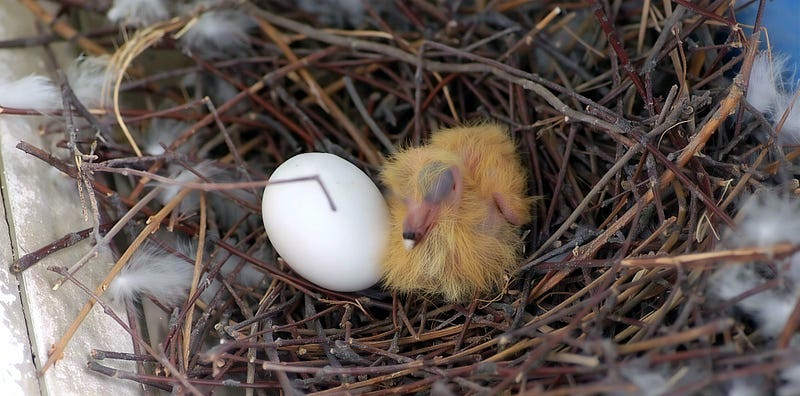
With a compact body, short legs, and a wingspan of about 26 to 28 in (66 to 71 cm), the Rock Dove is built for maneuverability. Weighing around 10 to 14 oz (283 to 397 g), it has a surprising muscularity and endurance, capable of flying at speeds of up to 77 mph (124 km/h). Its iridescent neck feathers shimmer with greens and purples under sunlight, revealing the ornamental heritage hidden beneath urban grime. Rock Doves can breed year-round under favorable conditions, producing up to six broods annually. Each clutch contains two eggs, which hatch in about 18 days. The young — called squabs — are fed a protein-rich “pigeon milk” secreted from both parents’ crop. This intensive parental investment results in fast-growing, plump chicks ideal for culinary use.
Ecology:
Originally cliff dwellers, Rock Doves adapted effortlessly to human cities, whose architecture mimics their ancestral habitat. They now inhabit urban centers across every continent except Antarctica. They play a dual role in modern ecosystems: scavengers cleaning up edible waste, and prey for peregrine falcons, hawks, and domestic cats. However, their proliferation in dense cities has raised concerns about overpopulation, droppings that damage structures, and competition with native birds. Despite these concerns, banning or culling them wholesale overlooks their ecological value and cultural significance. Ethical, non-lethal population control methods such as birth control, feed additives, and urban dovecotes are gaining traction among sustainability advocates.
Uses:
The Rock Dove’s value extends beyond its urban presence. In wartime, pigeons served as military messengers, with some even earning medals for bravery. In agriculture, dovecotes supplied farmers with squabs, rich fertilizer, and protein with minimal land use. Today, squab remains a delicacy in many cuisines, especially in Chinese, Moroccan, and French gastronomy. The economic potential of squab farming is often underappreciated: it’s a sustainable form of micro-livestock rearing that requires minimal space, low feed input, and yields rapid turnover — squabs can be harvested at just four weeks old, when they weigh around 13 oz (369 g).
Culinary Aspects:
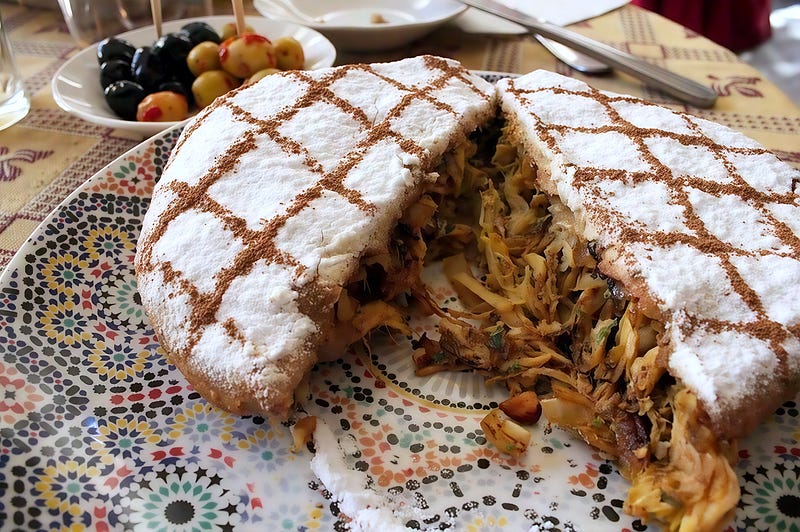
Squab is a gastronomic treasure. Its dark meat is tender, mildly gamey, and richly flavored, often described as the lovechild of duck and veal. When roasted, the flesh remains succulent and aromatic, with a crisp skin that echoes fine poultry. In Moroccan cuisine, it stars in b’stilla, a savory-sweet pie wrapped in phyllo and dusted with powdered sugar and cinnamon.
French chefs often pan-sear it rare to medium, allowing its juices to mingle with reductions of wine, cherries, or juniper. Unlike leaner birds, squab’s fat content allows it to hold its flavor under high heat. With around 23 g of protein per 3.5 oz (100 g), it is both nutrient-dense and satisfying.
Wine Pairings:
The rich umami of squab pairs well with equally bold wines. A young Pinot Noir, with its earthiness and red berry brightness, enhances the bird’s intrinsic depth without overpowering it. For spiced preparations, such as those with ras el hanout or cinnamon, a Grenache or Syrah adds body and spice. If preparing squab with fruit glazes or reductions — think blackberry, cherry, or plum — a Zinfandel or aged Rioja offers harmony and depth. For white wine aficionados, a barrel-aged Chardonnay with a creamy mouthfeel and subtle oak can elevate milder squab preparations.
Conclusion:
The Rock Dove defies easy classification. It is a relic of antiquity and a fixture of modern skylines. It is both humble and noble, wild and domestic, nuisance and delicacy. In understanding this bird — not just as a symbol of peace or urban clutter, but as a biological and cultural marvel — we rediscover a part of ourselves. Perhaps it’s time to look up at the fluttering gray silhouettes with a touch more reverence. They are not just pigeons. They are partners in civilization’s flight.