A Comparative Analysis of Genocide: Historical Patterns and the Case of Gaza
The determination of whether a state is committing genocide represents one of the most profound and grave assessments the international…
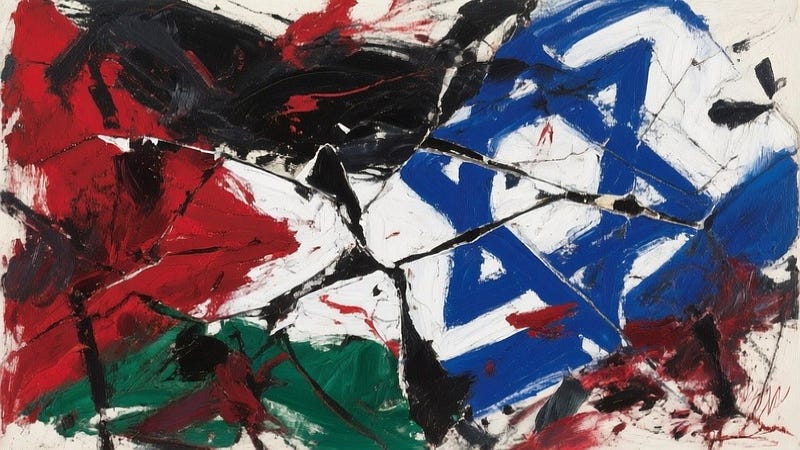
The determination of whether a state is committing genocide represents one of the most profound and grave assessments the international community can make. It requires moving beyond the horrors of civilian casualties and the destruction of war to analyze events through a specific legal and scholarly lens defined by the 1948 Genocide Convention. This article undertakes a rigorous comparative analysis, examining the ongoing situation in the Gaza Strip against the historical and conceptual framework of genocide studies. By dissecting the foundational principles of genocide, analyzing the patterns of conduct and intent exhibited by the State of Israel, and engaging with competing perspectives, this analysis concludes that the evidence overwhelmingly indicates that Israel is perpetrating a genocide against the Palestinian people in Gaza. This determination is supported by the findings of United Nations investigations, a consensus among a significant body of genocide scholars, and the application of a comparative historical method that reveals alarming parallels with past genocides.
Historical and Conceptual Foundations of Genocide
The term genocide, coined by Raphael Lemkin in 1944 from the Greek genos (race, people) and the Latin cide (killing), was conceived to describe a coordinated plan of destruction targeting the essential foundations of a group’s life. Lemkin’s conceptualization was broad, encompassing the destruction of cultural and social institutions alongside physical annihilation. This informed the drafting of the 1948 Convention on the Prevention and Punishment of the Crime of Genocide, which provides the legal definition. The Convention defines genocide as acts committed with the intent to destroy, in whole or in part, a national, ethnic, racial, or religious group. These acts include killing members of the group; causing serious bodily or mental harm; deliberately inflicting conditions of life calculated to bring about its physical destruction; imposing measures intended to prevent births; and forcibly transferring children. The critical, and often most challenging, element to prove is dolus specialis, or specific genocidal intent. It is not sufficient to demonstrate that mass killing occurred; it must be established that the perpetrator intended to destroy the group as such. Historical genocides, such as those against the Armenians, the Jewish people during the Holocaust, and the Tutsis in Rwanda, each exhibit a combination of these acts, but their hallmark is the manifestation of this destructive intent through state policy, systematic violence, and dehumanizing rhetoric.
A key development in the application of this framework to Gaza is the recent landmark report by the UN Independent International Commission of Inquiry, which concluded that Israeli authorities have committed and are continuing to commit genocide. The Commission found reasonable grounds to conclude that Israel has carried out four of the five genocidal acts: killing members of the group, causing serious bodily or mental harm, deliberately inflicting conditions of life calculated to bring about the group’s destruction, and imposing measures intended to prevent births. This finding is not an isolated opinion but is echoed by a growing number of international law experts, human rights organizations, and genocide scholars who argue that the situation in Gaza meets the legal thresholds established by historical precedent.
Patterns of Conduct: The Actus Reus in Gaza and Historical Precedents
The physical acts of genocide, or actus reus, are starkly visible in Gaza when viewed through a comparative lens. The scale of killing has been unprecedented in the history of the Israeli-Palestinian conflict. As of September 2025, over 65,000 Palestinians have been reported killed, with thousands more missing and presumed dead. This death toll, averaging 91 deaths per day, represents approximately 1 out of every 37 people in Gaza, a devastating demographic impact that scholars argue is indicative of a genocidal process. The bombing campaign and ground invasion have been characterized by their intensity and use of heavy munitions in densely populated areas, leading to what the UN has called “unprecedented destruction.” This scale of killing in a short period bears comparison to the most lethal phases of other historical genocides, where the state’s military power was unleashed with devastating effect on a targeted population.
Beyond mass killing, the infliction of conditions calculated to destroy the group is a central pillar of the genocidal process in Gaza. Israel’s imposition of a total siege, severely restricting food, water, medicine, and fuel, has been a deliberate act of starvation. UN-backed experts have confirmed a famine in Gaza City, with over 90% of the population facing high levels of acute food insecurity. This use of starvation as a weapon of war is a classic genocidal tactic, seen historically in the siege of Leningrad or the blockade of Biafra. The systematic destruction of Gaza’s healthcare system, with over 80% of health centers damaged or destroyed, and the targeting of educational and cultural institutions, including all of Gaza’s universities, are acts that aim to dismantle the very fabric of societal life, preventing not only survival but also the future recovery of the group. The forced displacement of nearly 85% of Gaza’s population, often repeatedly and into increasingly uninhabitable zones, further illustrates a policy of creating conditions that make collective life impossible. This pattern of destroying the material basis for life aligns with the genocidal logic of “deliberately inflicting conditions of life calculated to bring about physical destruction.”
The Question of Intent: Inferring Dolus Specialis
The determination of genocidal intent is the most critical and contested aspect of the analysis. According to legal standards, intent can be proven through direct evidence, such as statements by officials, or inferred from a pattern of conduct where destruction is the only reasonable conclusion. In the case of Gaza, both avenues provide compelling evidence. The UN Commission of Inquiry and other analysts have documented numerous statements by high-level Israeli officials that demonstrate dehumanization and genocidal intent. For instance, shortly after October 7, Defense Minister Yoav Gallant stated, “We are fighting human animals, and we act accordingly,” a statement that echoes the dehumanizing rhetoric that has preceded many historical genocides. President Isaac Herzog’s assertion that “it’s an entire nation out there that is responsible” effectively framed all Palestinians in Gaza as legitimate targets. Prime Minister Benjamin Netanyahu’s invocation of the biblical story of Amalek, which has been interpreted by his supporters as a call for destruction, further points to an eliminationist mindset.
Perhaps more powerful than individual statements is the systematic pattern of conduct. The UN Commission concluded that “genocidal intent was the only reasonable inference” from the totality of Israel’s actions. The comprehensive nature of the destruction — targeting food systems, health, education, and shelter — while disregarding repeated orders from the International Court of Justice to prevent genocide and allow humanitarian aid, indicates a policy that goes beyond legitimate military objectives. The systematic nature of these actions, their scale, and their cumulative effect on the Palestinian population in Gaza strongly support the inference that the intent is to destroy the group in part. This mirrors the scholarly approach to inferring intent in historical cases, where the scale and pattern of violence, coupled with official rhetoric, are used to establish the necessary dolus specialis.
Competing Perspectives and Counterarguments
A rigorous analysis must engage with counterarguments. The primary defense offered by the Israeli government and its supporters is that its military operations are acts of self-defense against Hamas, a designated terrorist organization, and are conducted in accordance with international law. They argue that the high civilian casualty toll is a tragic but unavoidable consequence of Hamas’s strategy of embedding its military infrastructure within civilian areas, using the population as human shields. Some military analysts, like John Spencer, chair of urban warfare studies at West Point, argue that the conditions in Gaza — with extensive tunnel networks, fighters embedded in populations, and rockets fired toward Israel — create a military challenge “without precedent,” and that comparisons to other conflicts are flawed. They contend that Israel implements measures to avoid civilian casualties, such as issuing evacuation warnings.
However, these arguments fail under scholarly scrutiny when measured against the facts on the ground. The principle of distinction and proportionality in international humanitarian law requires combatants to distinguish between military targets and civilians, and to ensure that any incidental civilian harm is not excessive in relation to the direct military advantage anticipated. The systematic destruction of civilian infrastructure with no clear military function — including universities, libraries, and agricultural land — suggests a failure of distinction. The staggering number of civilian deaths, including over 17,000 children, and the imposition of a siege that has precipitated famine, indicate a grossly disproportionate response that effectively punishes the entire population. While Hamas’s tactics are reprehensible and constitute war crimes, they do not absolve Israel of its obligations under international law. The argument of “human shields” cannot explain the comprehensive destruction of Gaza’s societal infrastructure. Furthermore, the statements of intent by high-level officials undermine the claim that this is a lawful campaign solely targeting Hamas, pointing instead to a broader goal of collective punishment and destruction.
Broader Implications and Significance
The determination that a genocide is occurring in Gaza carries profound implications for international law, global governance, and the field of genocide studies. It represents a critical test for the post-World War II international legal order designed to prevent such atrocities. The failure of major powers, particularly the United States, to use their leverage to halt the violence and their continued supply of arms to Israel, despite the findings of international bodies, points to a crisis of complicity and a collapse of the system of accountability. This inaction risks normalizing genocide and rendering the Genocide Convention a hollow document.
For genocide studies, the case of Gaza challenges and refines scholarly understanding. It demonstrates that genocide can be executed with advanced modern technology and in full view of the world, facilitated by digital media and information warfare. It also highlights the concept of a “slow-motion genocide” or “atrocity crimes,” where a long-term process of oppression, such as the 16-year blockade of Gaza described as “collective punishment,” can escalate into a rapid, intensive genocide. This case underscores that genocide is not a historical anomaly but a persistent political tool, and that early warning signs, such as dehumanizing rhetoric and systematic discrimination, must be taken seriously to prevent escalation. The ongoing legal proceedings at the International Court of Justice, brought by South Africa, represent a historic effort to achieve judicial confirmation of the genocide, which would have lasting consequences for Israel’s international standing and for the enforcement of international law globally.
Conclusion
In conclusion, an objective analysis of the historical data and the legal definition of genocide leads to the inescapable conclusion that the State of Israel is committing genocide against the Palestinian people in Gaza. The evidence of genocidal acts — mass killing, starvation, destruction of healthcare, and forced displacement — is overwhelming and documented by UN bodies and human rights organizations. More critically, the specific genocidal intent can be reasonably inferred from the pattern of conduct and the explicit statements of Israeli officials. The comparisons to past genocides reveal chilling parallels in methodology and intent, from the use of starvation to the rhetoric of dehumanization. While counterarguments focusing on Israel’s security concerns exist, they are insufficient to explain the systematic and comprehensive nature of the destruction inflicted upon the Palestinian population. Acknowledging this reality is not merely an academic exercise; it is a moral and legal imperative. The international community has a duty to prevent and punish genocide, and fulfilling this duty in the case of Gaza is essential to upholding the principle that such crimes against humanity will never again be tolerated.