Allspice: The Singular Berry that Carries a World of Flavor
Introduction In the spice-scented markets of the Caribbean, the air is often perfumed with a fragrance that confounds the senses — warm…
Introduction
In the spice-scented markets of the Caribbean, the air is often perfumed with a fragrance that confounds the senses — warm like cinnamon, sharp like cloves, and sweet like nutmeg. This is Pimenta dioica, better known to most as allspice, a name earned from its uncanny ability to mimic an entire spice cabinet in a single berry. Beyond its culinary charisma, allspice is a botanical marvel, a tree with roots in the rich volcanic soils of Jamaica and a history intertwined with trade, colonization, and cultural fusion. Today, it stands as both a heritage crop and a modern ingredient, prized by chefs, perfumers, and herbalists alike.
Taxonomy
Pimenta dioica belongs to the family Myrtaceae, a lineage that includes guava and eucalyptus. Its genus name, Pimenta, nods to the Spanish word for pepper, reflecting the initial confusion of European explorers who mistook it for black pepper. Common names include Jamaica pepper, pimento, and myrtle pepper. Though there are other members of the genus Pimenta, P. dioica is the only species cultivated for its dried berries, which are harvested while green and then sun-dried until they darken to a rich, chestnut brown.
Biology
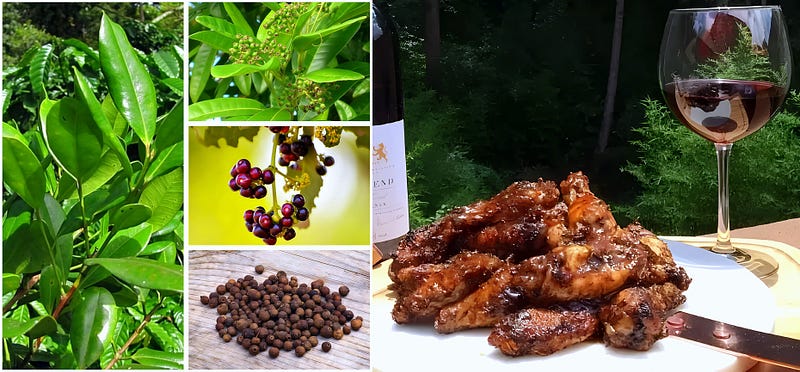
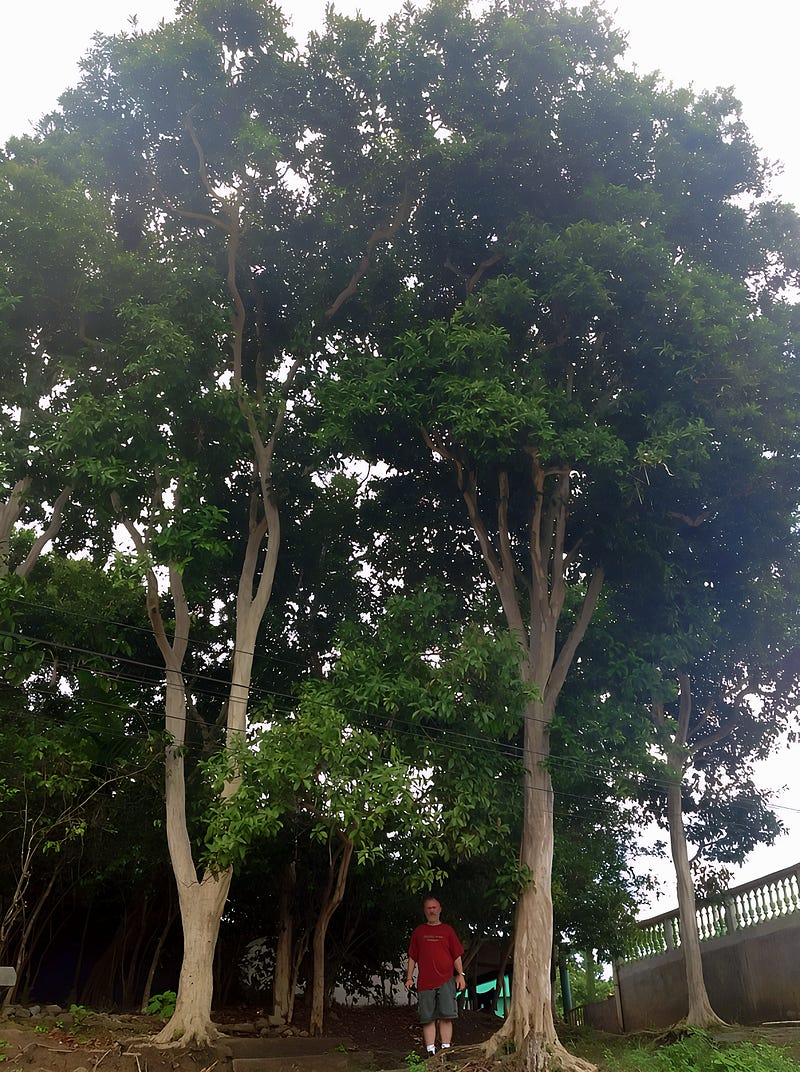
A tall, evergreen tree reaching heights of 10–18 m (33–59 ft), Pimenta dioica thrives in the warm, humid climate of its native Caribbean. Its glossy, leathery leaves release a spicy aroma when crushed, hinting at the essential oils that also flavor the berries. The tree produces clusters of small white flowers, followed by round fruits roughly 4–7 mm (0.16–0.28 in) in diameter. Each berry contains two seeds, but it is the outer dried pericarp that holds the treasure — volatile oils that combine the flavor notes of cinnamon, nutmeg, and clove. Allspice trees are slow to mature, often taking 6–7 years before yielding a significant harvest, but they can remain productive for decades.
Ecology
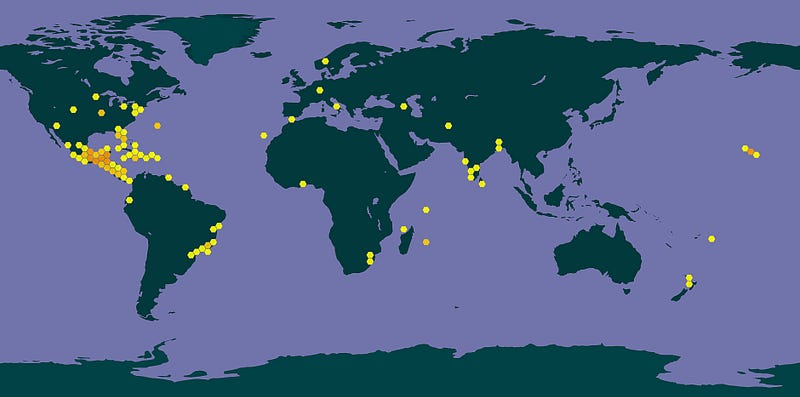
Native to Jamaica, southern Mexico, and Central America, Pimenta dioica prefers well-drained, slightly alkaline soils and elevations up to 900 m (2,950 ft). Its ecological role is multifaceted: birds such as the white-crowned pigeon consume the ripe berries and disperse the seeds, ensuring genetic diversity and forest regeneration. Sustainable cultivation requires careful attention to avoid overharvesting, as young trees can be stunted by repeated premature berry removal. Shade-grown systems, intercropping with other perennials, and organic soil management are increasingly favored by growers to balance productivity with biodiversity.
Uses
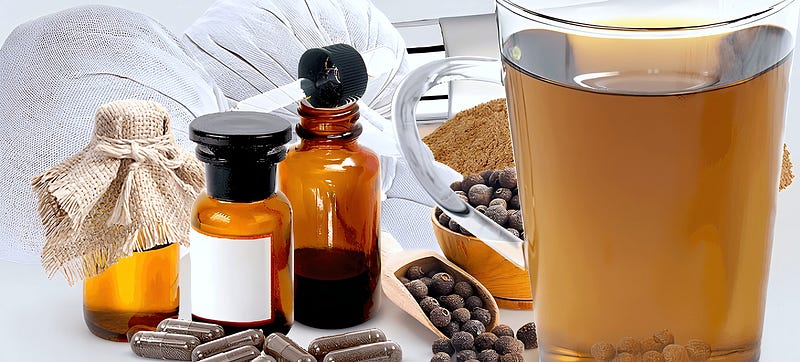
Beyond its culinary fame, allspice is valued in the perfume industry for its warm, complex scent, used to create depth in men’s colognes and holiday fragrances. Medicinally, the essential oil contains eugenol, lending it mild anesthetic and anti-inflammatory properties traditionally used in teas or poultices for digestive ailments and muscle pain. Economically, Jamaica remains the world’s leading exporter, though production also occurs in Guatemala, Honduras, and Mexico. Because of its long shelf life when stored whole, dried allspice remains a reliable cash crop for small-scale farmers in rural communities.
Culinary Aspects
In the kitchen, allspice is a shape-shifter. In Jamaica, it is a cornerstone of jerk seasoning, its fiery and aromatic character marrying perfectly with Scotch bonnet peppers, thyme, and scallions. In Middle Eastern cuisine, it appears in kibbeh and stews, offering an earthy warmth. In Scandinavian baking, it perfumes Christmas cookies and sweet breads. Ground allspice blends seamlessly into pumpkin pie spice, while whole berries enrich pickling brines, marinades, and mulled wine. Nutritionally, allspice provides trace amounts of manganese, iron, and vitamin C, along with antioxidant compounds that contribute to its complex flavor profile.
Wine Pairings
Pairing wine with dishes featuring allspice requires balancing its sweet warmth with complementary or contrasting notes. A Jamaican jerk chicken, smoky and spicy, finds harmony in a Zinfandel, whose jammy berry flavors and peppery finish mirror the spice without being overwhelmed. For Middle Eastern lamb stews fragrant with allspice, a Syrah offers depth and savory spice notes. Sweet breads or holiday pastries scented with allspice can be beautifully paired with a late-harvest Riesling, whose honeyed sweetness and acidity echo the spice’s aromatic complexity.
Conclusion
Pimenta dioica is more than the sum of its flavors — it is a botanical bridge between continents, cultures, and centuries. From the hillsides of Jamaica to kitchens across the globe, it has carried with it the warmth of the tropics and the enduring appeal of a spice that can be at once familiar and exotic. In an era where culinary traditions face homogenization, allspice remains a reminder of the richness that comes from preserving heritage crops and the landscapes that sustain them.