Andrew Dice Clay’s Philosophy of Humor
Andrew Dice Clay’s approach to comedy is built on deliberate provocation, a meticulously crafted persona, and an unwavering embrace of…
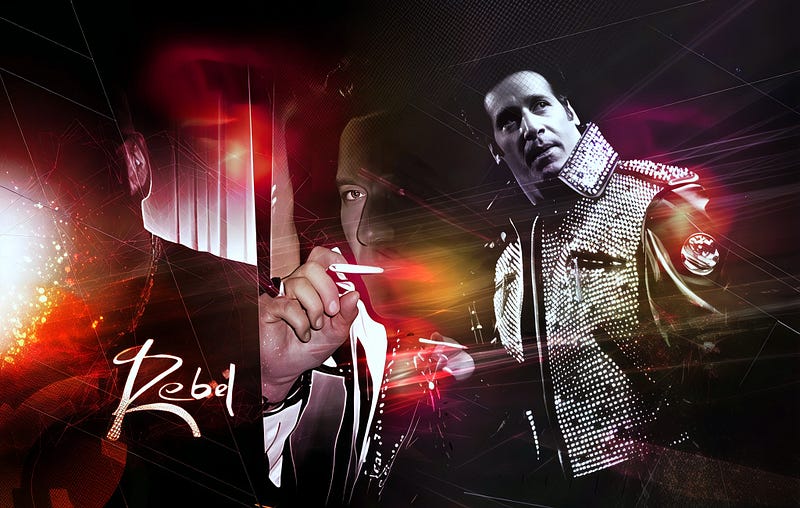
Andrew Dice Clay’s approach to comedy is built on deliberate provocation, a meticulously crafted persona, and an unwavering embrace of polarization. His philosophy centers on the “Diceman” character — a hyper-masculine, leather-clad caricature distinct from the performer himself. This fictional persona acts as a mask, allowing Clay to explore taboo subjects and voice socially unacceptable thoughts through calculated artistic distance, transforming the performance into a form of confrontational art.
Shock and transgression are fundamental aesthetic principles for Clay. He weaponizes obscenity, graphic sexual metaphors, and the deliberate desecration of cultural touchstones like nursery rhymes to aggressively dismantle societal boundaries, particularly targeting feminism, political correctness, and multicultural norms. His delivery — slow, monotone, punctuated by intimidating pauses and audience stare-downs — is designed to maximize tension and discomfort, turning the live experience into an economy of unease. He frames the bans and censorship battles he faced as validations of his mission to rebel against institutional constraints on expression.
A core tenet of Clay’s philosophy is an absolute refusal to apologize. He staunchly defends his material as “just jokes,” positioning himself as an anti-establishment truth-teller challenging the perceived censorship of political correctness. He argues his comedy provides catharsis for a working-class audience, voicing their repressed frustrations about relationships and social taboos. Critics, however, condemn this stance as creating an ethical vacuum, accusing him of “punching down” at marginalized groups and empowering real bigotry through material that is seen as inherently mean-spirited.
Clay’s humor also functions as a cultural mirror, reflecting specific anxieties of his Reagan-era rise. His material channeled blue-collar resentment about shifting gender roles and immigration, expressed through catchphrases and jokes that resonated as performative rituals for his predominantly white, male audiences. While some defenders argue the Diceman persona satirizes the very bigotry it displays, this intent remains contested, highlighting the ambiguity in his work.
The enduring contradiction in Clay’s legacy lies in the tension between the harmful content delivered by the persona and the skilled performer behind it. His later success in dramatic acting underscores this divide. Ultimately, his philosophy challenges comedy’s expected redemptive qualities, insisting humor can exist purely as confrontation, cathartic release, or even as sonic violence against societal propriety, redefining stand-up’s boundaries while exposing deep cultural fractures.