Banana Prawn: A Culinary Treasure Bridging Ecology and Gastronomy
Introduction
Introduction
Along the tropical shores of the Indo-Pacific, beneath turquoise waves and among lush mangroves, thrives the banana prawn (Fenneropenaeus merguiensis). This humble crustacean — renowned not only for its distinctive sweet flavor reminiscent of ripe bananas but also for its ecological significance — has quietly emerged as a global culinary sensation. As seafood enthusiasts increasingly seek sustainable dining choices, the banana prawn stands at the intersection of nature’s bounty and responsible gastronomy. Exploring its biology, culinary allure, and sustainable harvesting practices reveals why this prawn is more than just another delicacy — it’s a story of coexistence, culture, and culinary delight.
Taxonomy: Understanding the Banana Prawn’s Lineage
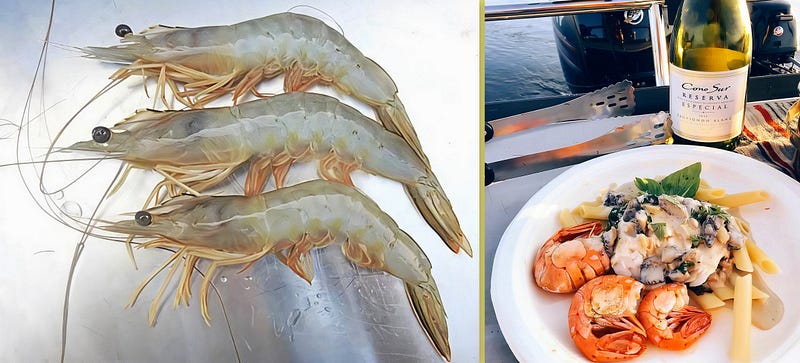
Belonging to the family Penaeidae, the banana prawn is scientifically classified as Fenneropenaeus merguiensis. Previously grouped under the genus Penaeus, recent taxonomic revisions recognized subtle differences that warranted its new placement. Commonly known as white banana prawn or simply banana shrimp, the species is particularly distinguished by its pale, translucent appearance. Its widely recognized edible varieties, primarily the white and red-legged types, grace dinner plates from Australia to Japan, famed for their superior texture and sweet succulence.
Biology: Graceful Adaptations in a Dynamic Environment
The banana prawn is an elegant creature, growing up to approximately 240 millimeters (9.4 inches) in length, though typically harvested at around 150 millimeters (6 inches). Its slender, curved body, colored pale grey or translucent white, mimics the shape of a ripe banana — hence its evocative common name. Long, delicate antennae guide it through silty coastal waters, while its robust legs enable agile movements to evade predators and capture prey.
This prawn’s lifecycle intricately intertwines with seasonal monsoons. Adult prawns spawn offshore, releasing thousands of tiny eggs into ocean currents, which drift into coastal estuaries and mangrove forests. Here, protected by dense mangrove roots and enriched by nutrient-rich sediments, juvenile prawns rapidly mature before returning to deeper ocean waters. This cyclical migration is an extraordinary adaptation, ensuring survival amid changing tides and predators.
Ecology: Guardians of Mangrove Ecosystems
Banana prawns flourish in estuarine and coastal ecosystems, especially mangrove habitats stretching from northern Australia and Southeast Asia to the shores of the Indian subcontinent. Mangroves, vital carbon sinks and biodiversity hotspots, rely on these prawns as part of a delicately balanced food web. The prawns’ diet of plankton, algae, and detritus recycles nutrients, sustaining fish, birds, and other marine life in a cycle of ecological reciprocity.

However, this harmony faces threats from habitat degradation and overfishing. Sustainable harvesting initiatives emphasize mangrove preservation and regulated fishing quotas, promoting ecosystem resilience and protecting these vulnerable coastal communities. Understanding the ecological importance of banana prawns highlights their role beyond culinary appeal, stressing the urgency of conservation practices that benefit the environment and industry alike.
Uses: Navigating Economy and Sustainability
Globally, banana prawns represent significant economic value, particularly for nations such as Australia, Thailand, India, and Malaysia. Harvested both from wild fisheries and responsibly managed aquaculture, banana prawns consistently fetch premium prices in international markets. Their popularity has spurred communities toward adopting environmentally sensitive fishing practices, blending profitability with ecological stewardship.
Increasingly, sustainable certifications and traceability programs assure responsible sourcing. Efforts include promoting selective fishing gear to minimize bycatch and maintaining critical mangrove nurseries that secure prawn populations for future generations. By prioritizing ecological integrity alongside economic gain, communities affirm the long-term viability of banana prawn fisheries.
Culinary Aspects: A Gastronomic Delight Across Cultures
The allure of banana prawns is undeniably tied to their exceptional culinary versatility. Their tender, sweet flesh boasts subtle banana-like undertones, a nuanced flavor profile treasured across Asia, Australia, and beyond. Whether grilled simply over open flame in Australian beach barbecues, stir-fried with aromatic Thai spices, or delicately steamed and served atop Japanese sushi rice, banana prawns provide a canvas for culinary creativity.
Rich in protein, low in fat, and abundant in omega-3 fatty acids, banana prawns deliver not only a delightful taste but substantial nutritional benefits. Their quick cooking time — mere minutes — preserves texture and flavor, making them an accessible yet elegant seafood choice suitable for home cooks and professional chefs alike.
Wine Pairings: Elevating Flavor Through Harmony
Enhancing the sweetness and delicate nature of banana prawns calls for wines that complement rather than overpower their subtle character. A crisp Sauvignon Blanc, with its refreshing acidity and notes of citrus, provides a bright counterpoint to the prawns’ gentle sweetness, enhancing their fresh ocean essence. Alternatively, a dry Riesling, boasting delicate floral aromas and hints of minerality, accentuates the natural sweetness of the prawn, crafting an exquisite balance. For those seeking adventurous harmony, a lightly oaked Chardonnay or a sparkling Prosecco brings sophistication, each sip amplifying the prawn’s nuanced flavors into a harmonious gastronomic experience.
Conclusion: A Crustacean Worth Cherishing
The banana prawn embodies a beautiful marriage between culinary artistry and ecological mindfulness, inspiring us to appreciate the hidden stories within our meals. As we savor its sweetness, we also taste the salt of distant seas, the whispering leaves of mangrove forests, and the commitment of communities striving for sustainability. In nurturing a mindful relationship with banana prawns, we affirm that gastronomy and conservation are not merely compatible but deeply interconnected paths toward a delicious and sustainable future.