Dhana Jeera Powder: The Aromatic Fusion of Tradition, Taste, and Sustainability
Introduction
Introduction
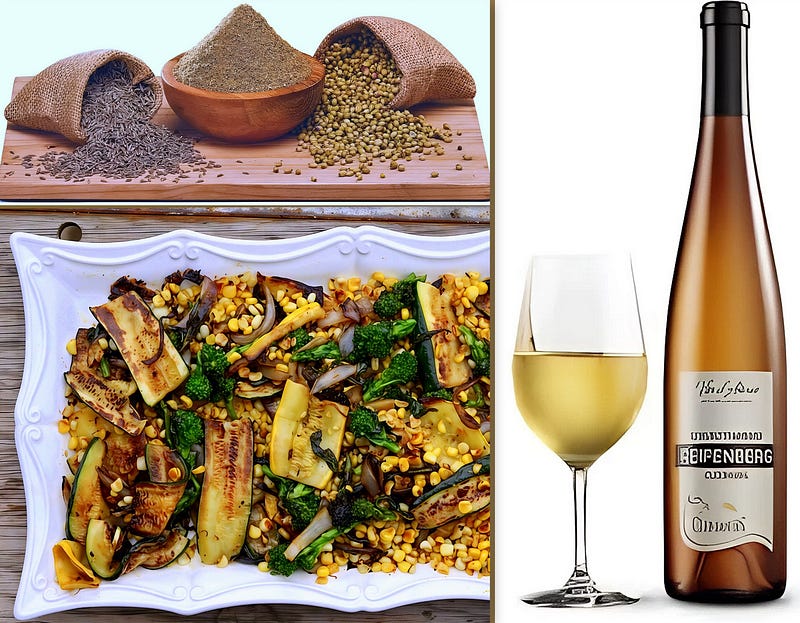
In the bustling markets of Mumbai and the quiet kitchens of Marrakech alike, a subtle yet powerful aroma wafts through the air — earthy, warm, and delightfully complex. This scent belongs to dhana jeera powder, an ancient spice blend crafted from coriander (dhana) and cumin (jeera). Beyond its culinary charm, dhana jeera embodies a remarkable fusion of botanical wonder, cultural heritage, and sustainability. Whether you’re an avid home chef, botanist, or eco-conscious consumer, the story of dhana jeera offers rich layers waiting to be uncovered.
Taxonomy: Roots of Flavor
Dhana jeera powder is not just a culinary delight; it represents a marriage between two significant botanical species: Coriandrum sativum (coriander) and Cuminum cyminum (cumin).
Coriander, also known as cilantro in its leafy form, belongs to the Apiaceae family, characterized by small white or pinkish flowers arranged in umbels. Cumin, a close relative within the same Apiaceae family, produces delicate white or lavender blossoms and slender, ridged seeds. Both plants have been cultivated for millennia, with coriander prized for its citrusy freshness and cumin revered for its smoky warmth. While numerous varieties exist, the Moroccan cumin and Indian coriander strains stand out for their robust flavor profiles, coveted by chefs globally.
Biology: Nature’s Harmony in Seeds
Coriander and cumin are annual herbs, each completing its lifecycle within a single growing season. Coriander plants typically reach heights of about two feet (approximately 60 cm) and flourish with feathery foliage. Their small, spherical seeds mature in clusters, turning golden-brown when ready to harvest. Cumin plants are similar but slightly shorter, standing about 12 to 20 inches (approximately 30 to 50 cm) tall. Their elongated seeds possess distinctive longitudinal ridges, containing concentrated aromatic oils.
Both plants are adapted to semi-arid climates, thriving in sun-soaked terrains where water conservation is essential. Their resilience under harsh conditions contributes significantly to their popularity as sustainable agricultural choices.
Ecology: Guardians of Sustainable Agriculture
Cumin and coriander traditionally grow in dry, temperate regions ranging from the Mediterranean basin to the fertile plains of India. These plants enrich their ecosystems by attracting pollinators such as bees and butterflies, crucial for biodiversity. Their drought tolerance makes them valuable in conservation agriculture, reducing dependence on intensive irrigation practices.
Furthermore, the rotational cultivation of coriander and cumin enhances soil health, preventing the depletion of nutrients common in monocropping. Farmers who integrate these spices into sustainable farming models not only boost their yield but also actively participate in ecological preservation, fostering a balanced coexistence between humans and the environment.
Uses: Economic Gold in a Spice Jar
Dhana jeera powder transcends mere culinary significance; it’s an economic powerhouse sustaining entire farming communities. India remains the world’s largest producer and exporter of cumin and coriander, generating critical income for thousands of rural households. Morocco, Turkey, Egypt, and Mexico also participate actively in global markets, each contributing distinct flavor profiles shaped by regional soils and climates.
The global spice market continues to expand, driven by growing awareness of spices’ culinary versatility and health benefits. As consumers increasingly prioritize sustainability, the demand for responsibly produced spices like dhana jeera offers economic opportunities aligned with ecological stewardship.
Culinary Aspects: Taste that Tells a Story
Imagine the first taste of freshly toasted dhana jeera powder — a harmonious blend of nutty warmth, subtle citrus, and gentle peppery undertones. Used across Indian, Middle Eastern, and North African cuisines, this spice blend transforms humble dishes into extraordinary culinary experiences.
In India, dhana jeera flavors everything from traditional curries to street-food delights like samosas and chaat. In North African tagines, it imparts a depth that elevates simple stews to gastronomic wonders. The nutritional profile is equally impressive, boasting beneficial antioxidants and essential minerals like iron, magnesium, and calcium, enhancing dishes with both flavor and health benefits.
Wine Pairings: A Symphony in Every Sip
Dhana jeera’s nuanced flavors harmonize exquisitely with wines that balance aromatic complexity and subtle acidity. White wines such as Alsatian Gewürztraminer or a crisp Riesling complement the spice’s citrusy brightness, creating a refreshing interplay on the palate. For red wine enthusiasts, opt for a medium-bodied Pinot Noir or a fruity Grenache to echo the blend’s warmth without overwhelming its delicate notes. Such pairings elevate the sensory experience, turning a simple meal into an unforgettable journey.
Conclusion
Dhana jeera powder offers more than culinary magic — it is a testament to sustainable farming, economic vitality, and cultural continuity. As we savor its flavors, let’s reflect on the journey behind each aromatic pinch: from resilient plants thriving in harsh terrains to farmers stewarding lands sustainably and global communities bonded by shared culinary heritage. Embracing dhana jeera means choosing to honor tradition, nurture biodiversity, and delight in taste, one flavorful bite at a time