Beyond the Diagnosis: Why Depression Alone Does Not Explain Suicide
Introduction The link between depression and suicide is one of the most persistent assumptions in mental health discourse. We hear it in…
Introduction
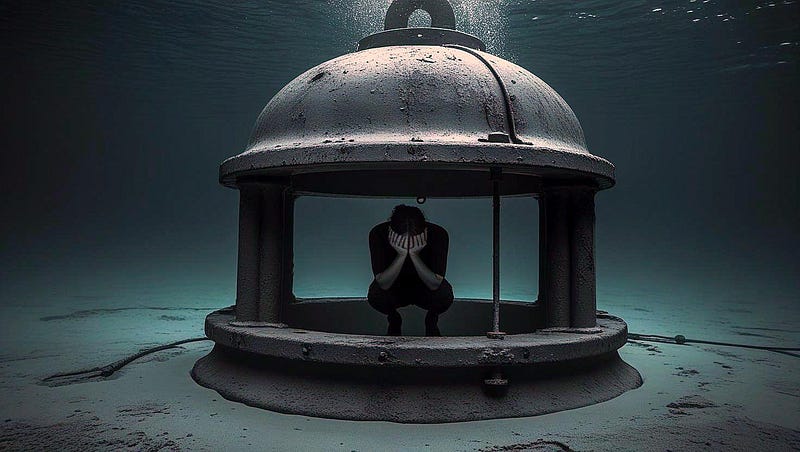
The link between depression and suicide is one of the most persistent assumptions in mental health discourse. We hear it in news reports, public health campaigns, and casual conversations: depression leads to suicide. But what if this connection, while intuitive, is far more complex than we’ve been led to believe? Recent research paints a more intricate picture — one where biology, personality, cultural context, and resilience converge to influence outcomes. Understanding this complexity isn’t just an academic exercise; it could save lives by reshaping how we screen, support, and intervene.
Depression Screening Versus Suicidal Ideation
Standardized tools like the PHQ-9 do a better job of flagging those at risk than direct questions about suicidal thoughts. Yet even here, the relationship is indirect. In one study, over 60% of individuals who later attempted suicide screened positive for depression, but suicidal ideation alone did not predict their behavior. Depression can be a signal, but it is not a smoking gun.
Personality, Purpose, and the Inner Landscape
Among medical students, researchers found that higher neuroticism often accompanied depression, while suicidal risk did not neatly follow the same pattern. Those with a diminished sense of meaning in life were more likely to be depressed, yet not all went on to attempt suicide. These findings challenge the notion of a universal pathway, suggesting instead that how we interpret suffering — our values, purpose, and sense of belonging — matters profoundly.
Insight in Psychosis and the Weight of Awareness
In cases of first-episode psychosis, patients who had greater insight into their condition paradoxically showed a higher suicide risk, mediated partly by depression. It’s a haunting irony: self-awareness can deepen despair. But even here, stigma, fear, and social isolation often tip the scales more than depression alone.
Biological Stress Responses: More Than Mood
Cortisol, a hormone linked to stress, is elevated in many with depression. Yet researchers discovered no consistent cortisol difference between depressed individuals who attempted suicide and those who did not. In some cases, hair samples of those who attempted suicide revealed lower cortisol, a sign that chronic stress might recalibrate the body’s systems in unexpected ways. This biological puzzle underscores that suicidal risk involves far more than mood disorders.
The Power of Context: Socioeconomic and Demographic Factors
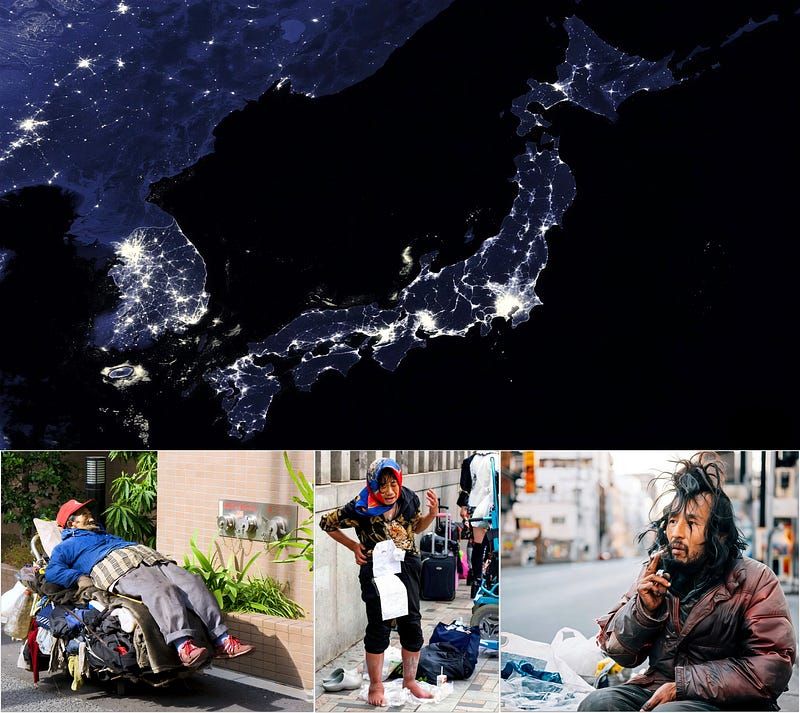
Unemployment, discrimination, and systemic inequities tell another part of the story. Suicide rates rise in isolated individuals, but in communities where joblessness is widespread, stigma weakens, and suicide risk drops. Similarly, LGBTQIA+ youth and Indigenous populations face unique social pressures that elevate risk, independent of depression. The environment we live in can magnify or blunt our inner pain.
Protective Factors and Resilience
Here’s the hopeful news: protective factors work. In surveys of young people, 95% reported having someone who genuinely cared for them, and those bonds dramatically lowered suicidal ideation. School-based interventions like JED Campus have cut suicide attempts by a quarter, proving that environmental supports can counteract even deep psychological distress.
Conclusion
Depression is a serious condition, but it is not destiny. Suicide arises from an interplay of personality traits, biology, cultural forces, and social networks. To truly make an impact, we must move beyond one-size-fits-all assumptions and invest in multidimensional interventions — programs that nurture meaning, strengthen community ties, and address systemic barriers. If we can shift our focus from labels to lived realities, we may find ourselves better equipped to help those standing at the edge of despair.