Buzz, Bite, and Botanicals: Pará Cress (Acmella oleracea) from Field to Plate
Pará cress is a small annual that rewires your palate. One flower bud floods the mouth with electric tingling, cooling, and a quick numbing…
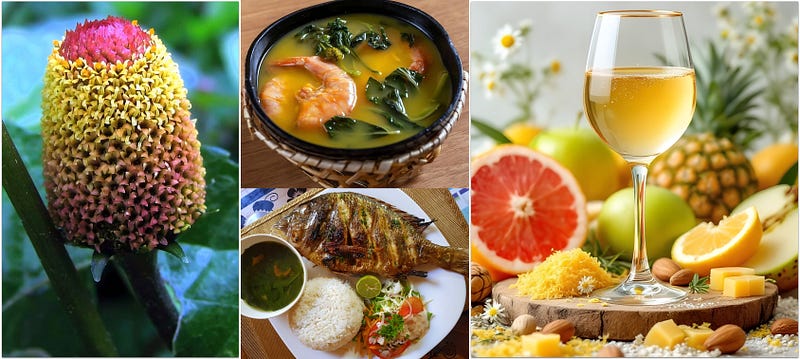
Pará cress is a small annual that rewires your palate. One flower bud floods the mouth with electric tingling, cooling, and a quick numbing snap, then snaps back into green, citrus-pepper brightness. Amazonian cooks toss the leaves into tacacá; Malagasy cooks simmer them in romazava. Bartenders rim glasses with “buzz buttons” to flip a cocktail’s sensory switch. Behind this party trick sits a serious plant — rich ethnobotany, distinctive phytochemistry, tight agronomy, and real sustainability angles.
Taxonomy and names in the wild and the market
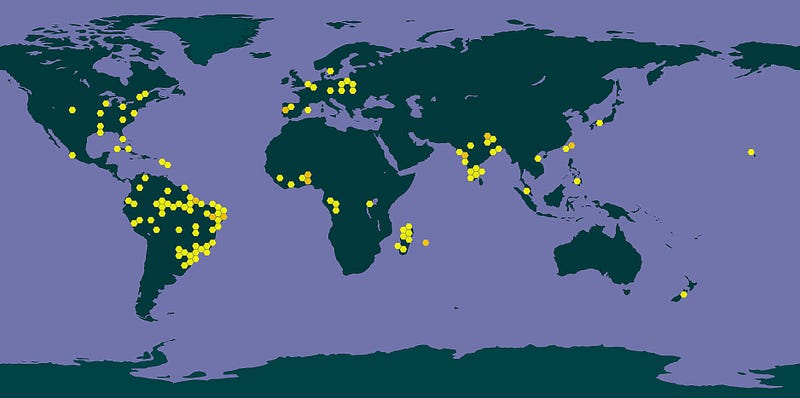
Acmella oleracea sits in Asteraceae, tribe Heliantheae. The basionym Spilanthes oleracea is a synonym still used in herbals and trade. The species is considered a domesticated cultigen with origin in southeastern Brazil and is now grown widely in the humid tropics and subtropics. Common names reflect where it matters most. In northern Brazil, especially Pará, it is jambu in Portuguese and the default leafy vegetable for iconic broths. In Madagascar and the Mascarenes, it goes by brèdes mafane in French and mafana in Malagasy, central to home cooking and restaurant romazava. In English markets, it appears as Pará cress, toothache plant, and buzz buttons, while chefs and bartenders popularized Szechuan buttons or Sichuan buttons for the flowers, even though the species is not from Sichuan. In parts of India, it is chewed for a toothache and mixed into paan; you will also see “spilanthes” used generically for the herb and its extracts.
Notable edible horticultural lines are sold informally as Yellow Flower and Purple Flower selections; trials in Brazil report the yellow-flowered accessions yielding more fresh mass under organic fertilization. Botanical varieties are not formally maintained; what traders call “varieties” are usually farmer selections.
Biology that bites back
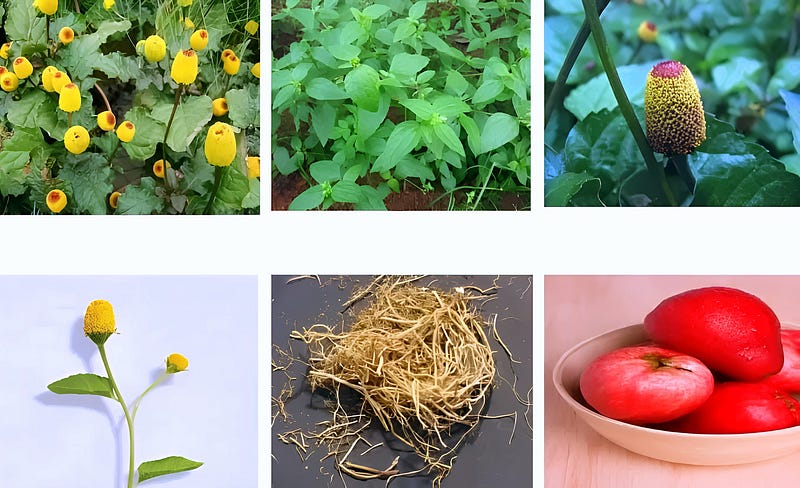
This is a soft-stemmed annual, 20–45 cm tall, branching freely from the base and carrying ovate leaves with shallow serrations. Button-like capitula are the giveaway: yellow disk florets form the electric “buttons,” with or without a small reddish eye, depending on the line. The life cycle is fast. Direct-sown or transplanted seedlings reach first harvest at roughly 45–60 days in warm, wet conditions. The signature sensation comes from a suite of N-alkylamides led by spilanthol, concentrated in flowers and present in leaves and stems. Chewing a fresh bud triggers salivation, tingling, and transient analgesia through trigeminal and salivary stimulation. The flavor rides on cut-grass, cucumber rind, and green pepper notes with a menthol-like cool on the finish.
Ecology and cultivation footprint
Kew classifies the species as an annual cultigen with a native origin in SE Brazil’s seasonally dry tropical biome. In practice, it behaves like a classic tropical green: warm-season growth, intolerant of hard frost, happiest in full sun, fertile loams, and steady moisture. Trials under protected cultivation show strong responses to both water management and nitrogen. With optimized organic amendments, fresh-mass productivity has reached 3.14–4.02 kg/m², which is 31.4–40.2 t/ha and converts to about 28,000–35,900 lb/ac. Plant height in those trials peaked near 42.7 cm, which is 16.8 in. Although it flowers freely and attracts generalist pollinators, it is grown for vegetative mass and buds; pollinator value is present but not a primary management lever. As a short-cycle annual herb, its carbon sequestration potential is negligible compared to woody perennials, but its quick turnover provides frequent ground cover that can reduce erosion in mixed beds. It is not listed as threatened and is widely cultivated; invasive risk outside gardens is low where winters bite.
Uses across food, health, craft, cosmetics, and agro-inputs
Edible parts include tender leaves, young shoots, and flower buds. Leaves are eaten raw in small amounts for their anesthetic sparkle or cooked to moderate the bite; buds are used fresh as a garnish or infused. Typical dishes are Brazilian tacacá with tucupi and jambu, Amazon-style caldeiradas, and Malagasy romazava, where mafana leaves give the stew its characteristic prickle. In mixology, a single fresh button pre-tasted by the guest primes a sour, spritz, or gin highball to read brighter. Seasonality in the field is warm-wet months; in tunnels or greenhouses, growers can cycle year-round. From field trials and farmer reports, realistic marketable fresh yields range 25–40 t/ha, reported above as 31.4–40.2 t/ha in optimized organic systems; 31.4 t/ha equals 12.7 short tons/ac and 40.2 t/ha equals 16.0 short tons/ac.
Nutritionally, leaves are very low-calorie. A small Indian analysis reports roughly 32.6 kcal/100 g, which is about 9.2 kcal/oz. Expect modest protein and fiber with mineral variation by soil; like other soft greens, the main dietary role is functional freshness rather than energy.
Taste, aroma, texture, and cooking behavior are distinctive. Raw leaves combine cut grass, chrysanthemum, and green pepper. Buds are grassy at first bite, then deliver pronounced chemesthesis: tingling across lips and tongue, cooling in the throat, salivation surge, a short anesthetic plateau, and a clean reset. Heat softens the tingle. Blanching for 30 seconds in boiling water, which is 100°C or 212°F, drops intensity by roughly half; sautéing at typical pan temperatures of 160–190°C, which is 320–374°F, takes it down to a background sparkle. Best methods align with the goal. For maximum buzz, serve buds raw or briefly macerated. For family dishes, add chopped leaves late to retain volatile freshness while keeping the anesthetic in check. Ideal pairings include fatty fish, pork belly, coconut milk, and citrus acids; the alkylamides sharpen acid perception and lift aromatics from lemongrass, ginger, and green chile.
Commercial products span fresh leaves, fresh buds sold as “buzz buttons,” tinctures and glycerites, and standardized extracts marketed as jambu extract. In cosmetics, “Spilanthes acmella flower/leaf extract” appears in serums and creams with “instant firming” claims. The functional actives are N-alkylamides such as spilanthol; in vitro and small clinicals support local muscle-relaxant and smoothing effects, but evidence is preliminary and formulation-dependent. Common extraction approaches include ethanol-water maceration at around 85% ethanol; bench work often runs near 30–40°C, which is 86–104°F, to protect volatiles. Supercritical CO₂ appears in the literature for concentrates.
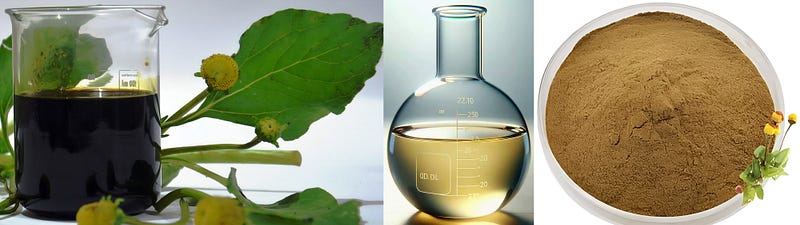
Safety and regulatory notes require sober calibration. Culinary use of leaves and occasional buds is traditional in Brazil and Madagascar. Concentrated extracts for supplements are a different category. In the EU, foods or extracts without proven significant pre-1997 consumption may fall under the Novel Food Regulation; applicants must demonstrate safety before broad marketing. Cosmetic use under the EU Cosmetics Regulation and comparable frameworks is permitted when ingredients meet purity and safety standards. For ingestion, sensible limits apply: avoid high-dose extracts in pregnancy due to insufficient data; the plant stimulates salivation and could interact with existing oral or mucosal irritation. Anecdotal toothache use is longstanding, but it is not a substitute for dental care. Food safety basics still apply in the cold chain: keep fresh product at 1–4°C, which is 34–39°F, to maintain quality and inhibit microbial growth.
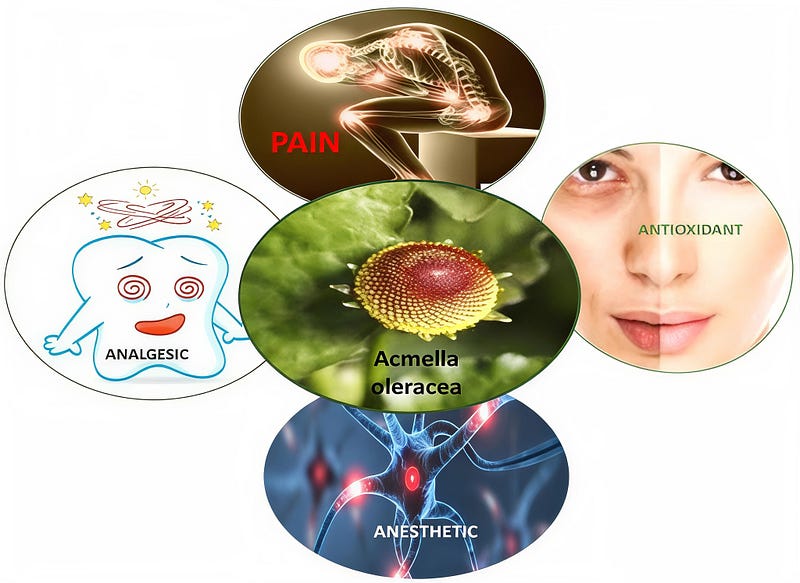
Feed use is niche. Smallholder trials sometimes feed post-harvest trimmings to goats or pigs, but palatability varies, and the tingling can suppress intake. Treat it as a minor, mixed-forage supplement only, not a staple. Silage suitability is unproven; anti-nutritional impacts for livestock are insufficiently characterized.
Industrial and agro-use potential is real. Alkylamide-rich extracts show bioactivity against mosquitoes and crop pests, making biopesticide development plausible. Field efficacy, non-target effects, and regulatory pathways remain active research. In allelopathy studies across Asteraceae, some congeners show phytotoxicity; apply any botanical pesticide carefully and keep sprays off flowering plants to protect pollinators.
Sustainability levers are straightforward. Use dense staggered plantings at 25–30 cm, which is 10–12 in, to close the canopy quickly, suppress weeds, and maximize kg per square meter. Maintain even soil moisture by drip. In Brazilian trials, the top fresh-mass productivity under organic inputs peaked when applying about 10 kg/m² of well-matured compost; that is, 100 t/ha or roughly 89,000 lb/ac of compost input, which is a high-input organic regime best reserved for intensive beds with strong market pull. Where inputs must be throttled back, 3–4 kg/m², which is 30–40 t/ha, paired with supplemental mineral N and K, has delivered solid yields. As an annual green with minimal woody biomass, carbon removal is not its value proposition; resilience, frequent harvests, and diversified farmer income are.
Market dynamics sit in specialty produce. Fresh buds command premium pricing per clamshell in chef channels; fresh leaves move best when tied to specific dishes and experiences. Certification follows the usual playbook: GAP, organic, or local integrated production schemes as the buyer requires. Food labeling should avoid medicinal claims in many jurisdictions; extracts for supplements and cosmetics require compliant ingredient naming and claims substantiation. Importing live plants or unprocessed seed may require plant health permits; finished dried botanicals face standard herb import rules.
Culinary applications, sensory architecture, and nutrition in motion
Pará cress invites precise sensory design. A chilled green papaya and jambu salad sets the stage: 150 g of shredded papaya, which is 5.3 oz, tossed with 15 g jambu leaves, which is 0.53 oz, lime juice, fish sauce, and toasted peanuts. The leaves add green lift and sparkling chemesthesis that makes the acid read brighter and the nuts taste sweeter. In a coconut-fish stew, add 30 g jambu leaves, which is 1.06 oz, per 500 g fish, which is 1.10 lb, in the last two minutes; heat softens the tingle and leans the dish toward lemongrass and galangal. For a bar program, pre-brief guests to chew half a button for 5–10 seconds, then sip a clarified pineapple-lime daiquiri; the alkylamides push high-note esters forward and shave edges off ethanol burn.
Nutrition follows the leafy-green template. Using the 32.6 kcal/100 g figure as a directional anchor, a 50 g portion, which is 1.76 oz, delivers about 16 kcal, negligible fat, modest vitamin and mineral contribution, and functional plant alkylamides. Cooking in coconut milk increases energy density by the sauce, not the leaves.
Wine pairings that play with electricity
For tacacá with tucupi and fresh jambu, deploy Minho’s Arinto from Vinho Verde rather than defaulting to Alvarinho. Arinto’s high linear acidity, citrus-pith phenolics, and saline edge cut through tucupi’s sour-savory profile while the chemesthesis lifts lime and green-apple aromatics rather than fighting them.
For romazava, built on mafana leaves and beef, pour a light, chillable red from Sicily’s Vittoria zone based on Frappato. The grape’s red-berry perfume, low tannin, and gentle herbal cues match leafy greens without adding bitterness; served at 12°C, which is 54°F, it stays bright under the dish’s warming broth.
For a coconut-jambu fish stew with lemongrass, go to the Savoie and open a Jacquère from Apremont. Its alpine acidity, low alcohol, and faint pear-anise line ride with coconut richness and amplify lemongrass while the tingling effect cleans the palate.
For a raw-bud cocktail service, anchor the pairing with a dry Furmint from Tokaj. Furmint’s stone-fruit core, smoky-flint reduction, and razor acidity keep definition when the buzz button momentarily anesthetizes the tongue; as sensation returns, the wine’s apple-quince notes reemerge clean.
For a citrusy jambu salad with grilled prawns, choose a volcanic Canary Islands Listán Blanco. Its savory mineral frame, subtle fennel and smoke notes, and firm acid spine align with the herb’s chemesthetic sparkle and grilled shellfish sweetness.
Conclusion
Pará cress is more than a parlor trick. It is an Amazonian vegetable with global reach, a compact crop that thrives in intensive beds, a flavor technology embedded in a leaf, and a platform for bartenders and chefs to reframe taste. If you grow, lean into dense plantings, steady moisture, and targeted organic inputs. If you cook, use raw buds to electrify and brief your guests; use leaves late in the pot to keep their green lift without overpowering the dish. The path forward is honest: celebrate tradition, showcase the sparkle, and keep claims tight to the evidence.