
The Kumamoto Oyster: A Petite Pacific Gem with Grand Culinary Allure
How can something so small hold so much flavor? This is the paradox of the Kumamoto oyster. Once obscure, it has become a favorite among…
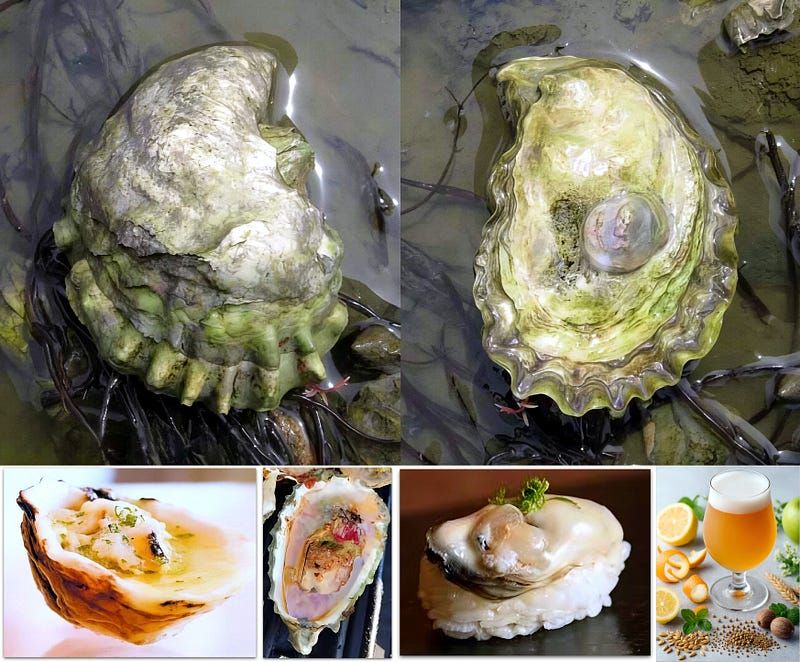
How can something so small hold so much flavor? This is the paradox of the Kumamoto oyster. Once obscure, it has become a favorite among chefs and connoisseurs across the Pacific. This petite bivalve, Magallana sikamea, is recognized for its sculpted shell and complex taste. When you lift one from a bed of ice, its briny aroma recalls ocean breezes. Opening the shell with a gentle ‘click,’ you discover a sweet, buttery morsel. Its story combines marine biology, adaptation, and culinary artistry: accidental introduction, resilience, and sustainable aquaculture. These qualities intrigue scientists and chefs alike, making each bite a multi-sensory experience.
Taxonomy: Unraveling a Scientific Identity Crisis
For decades, the Kumamoto oyster existed in biological literature under the shadow of its larger cousin. Initially classified as Ostrea gigas var. sikamea when first described, this species was considered merely a subspecies of the Pacific oyster for years before contemporary genetic analysis revealed its distinct lineage. The scientific community eventually recognized it as a separate species, first under the genus Crassostrea and, more recently, as Magallana sikamea, following genetic research that proposed Magallana for Pacific oyster species.
While “Kumamoto oyster” serves as its primary English common name — derived from Japan’s Kumamoto Prefecture, where it was first identified — this species answers to several other names throughout its native range. Among oyster farmers and connoisseurs, you might hear it affectionately called “Kumie” or “Kumo,” informal nods to its Japanese heritage. This taxonomic journey from variety to full species status illustrates how modern molecular techniques have reshaped our understanding of oyster diversity, separating true Kumamotos from the similar-looking but genetically distinct Pacific oysters that dominate global cultivation.
Biology: A Masterpiece of Miniaturization
The Kumamoto oyster presents as nature’s exercise in precision engineering at a miniature scale. Reaching a maximum size of approximately six centimeters, which is about two and a half inches, it stands in stark contrast to the larger Pacific oyster, which can grow more than twice as large. What it lacks in dimensions, it compensates for with structural elegance: a deep, bowl-like left valve that cradles a surprisingly spacious interior, while the flatter right valve typically displays distinctive corrugations and grooves. The shell exterior often showcases pale whitish-grey hues, while the interior reveals a smooth, porcelain-like surface with a telltale dark purple adductor muscle scar that helps distinguish it from other oyster species.
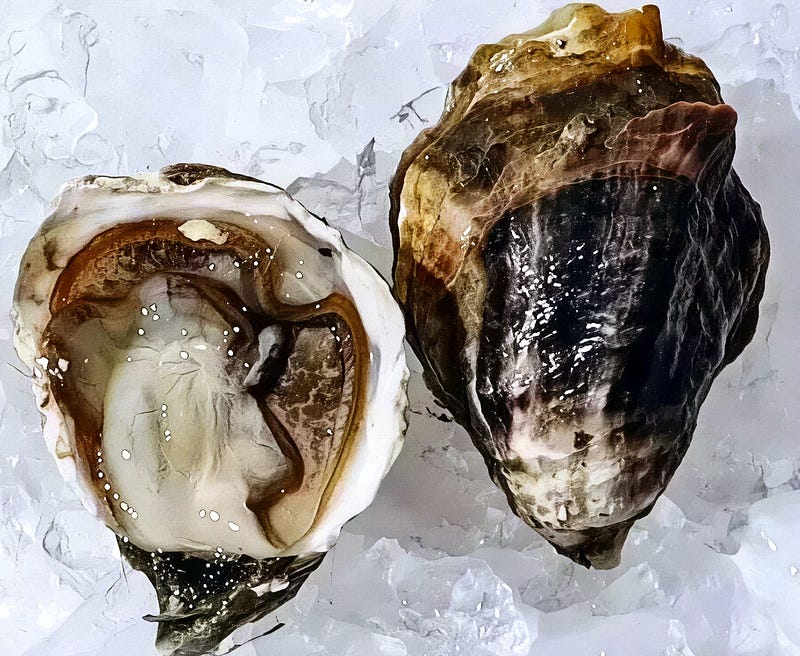
Kumamotos have a unique reproductive strategy as sequential hermaphrodites, changing gender multiple times during their lives. This adaptation allows populations to adjust to environmental and social conditions. They can hybridize with Pacific oysters only if Pacific sperm fertilize Kumamoto eggs; the reverse is not possible, which remains a scientific puzzle. Kumamotos grow slowly, taking about 3 years to reach market size, during which they develop their dense texture and signature deep shell.
Ecology: Native Waters and New Frontiers
The Kumamoto oyster naturally inhabits the coastal waters of Japan, South Korea, Taiwan, and southern China, favoring the brackish conditions of estuaries and bays where it attaches to hard substrates in the low-to-mid intertidal zone. Unlike its more cosmopolitan relative, this species demonstrates particular sensitivity to temperature requirements, needing waters between twenty-four and twenty-eight degrees Celsius (or seventy-five to eighty-two degrees Fahrenheit) for successful reproduction — a factor that has, curiously, limited its establishment outside native waters despite deliberate introductions.
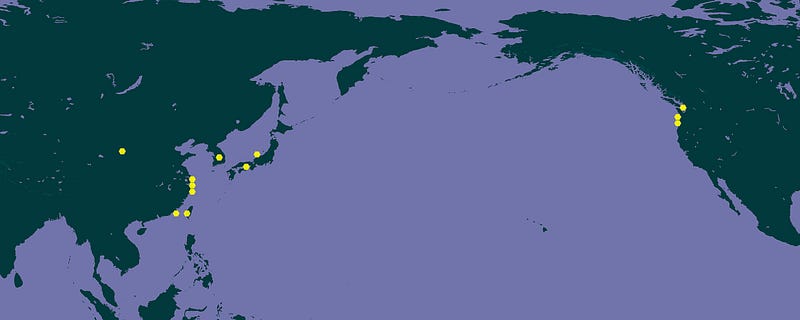
Kumamoto oysters were introduced to North America’s West Coast after World War II, when Japanese suppliers included them with Pacific oyster seeds in a shipment, unable to fill the original order alone. This unplanned event reshaped U.S. oyster menus, showing how biodiversity can travel with commerce. Since the 1940s, Kumamotos have been cultivated from Puget Sound to Morro Bay. Though they thrive in farms, they have never established wild populations in these areas. Their inability to reproduce naturally in American waters was once seen as a drawback but is now valued, as it prevents them from becoming invasive. This history demonstrates both the oyster’s adaptability and broader trends in sustainable aquaculture.
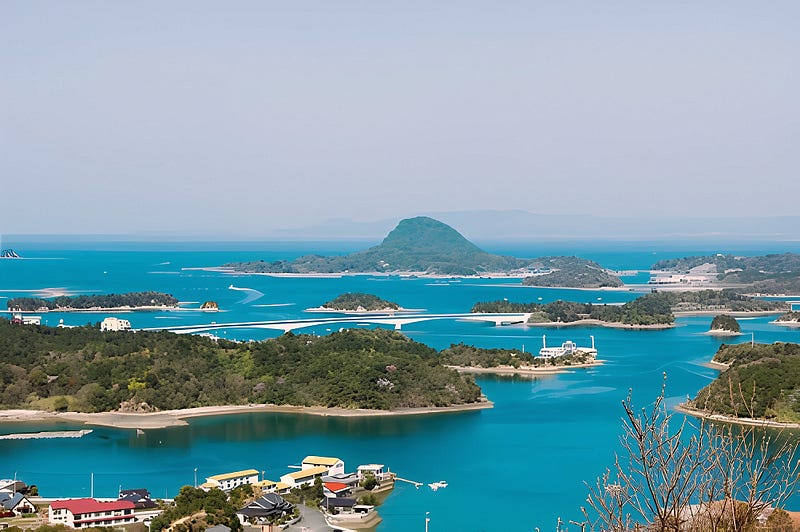
While not currently considered threatened or endangered, Kumamoto populations in their native Japanese waters face pressure from pollution and habitat degradation. Kumamoto Prefecture (熊本県, Kumamoto-ken; Japanese pronunciation: [kɯ.ma.mo.to] is a prefecture of Japan located on the island of Kyūshū.
This has elevated the importance of sustainable aquaculture practices, with farms implementing innovative tide-tumbled cultivation methods where oysters grow in mesh bags agitated by natural tidal movements, strengthening their shells and developing their signature deep cup. These farms report a reduction in their carbon footprint of approximately 15% compared to traditional aquaculture methods and achieve an impressive feed conversion ratio, with minimal inputs resulting in optimal oyster growth. Such approaches strike a harmonious balance between production and environmental stewardship, ensuring this culinary treasure persists for future generations.
Culinary Aspects: A Symphony of Subtle Sensations
The Kumamoto oyster appeals because of its subtle balance of flavors and pleasing textures. Unlike very salty oysters, Kumamotos introduce a gentle brininess, followed by a sweetness often compared to honeydew melon or salted cucumber. They have firm, plump meat that feels creamy and leaves a clean, fruity finish, free of metallic notes. This profile results from their unique composition, where higher glycogen content contributes to sweetness. Studies suggest that glycogen levels in Kumamotos are approximately 20% higher than in typical Pacific oysters, giving them a distinctly sweet taste. Additionally, higher levels of zinc and copper add mineral flavors.
Nutritionally, Kumamoto oysters offer a wealth of benefits beneath their modest exterior. A one-hundred-gram serving, approximately three point five ounces, provides substantial protein, essential minerals including iron, and valuable omega-3 fatty acids. Their impressive zinc content supports immune function, while their rich glycogen serves as an energy source. This nutritional profile makes them a nutrient-dense choice that belies their small size.
Kumamotos are versatile in cooking. Their size and taste make them excellent served raw on the half-shell with lemon or cooked in more complex dishes. Their firm texture means they can be grilled, baked, or fried without becoming rubbery. They remain good even through summer, when other oysters soften, thanks to their unique biological rhythm. To invite culinary play with texture contrasts, consider a technique like quick cold-smoking. This method highlights the oyster’s natural firmness without masking its inherent sweetness, allowing chefs to experiment beyond classic grilling.
Wine Pairings: Harmonizing with Liquid Counterpoints
The Kumamoto oyster’s nuanced flavor profile invites thoughtful beverage partnerships that enhance without dominating. Their natural sweetness and mineral undertones create particularly stunning harmonies with several carefully selected wines and beers, elevating the entire tasting experience.
A classic Sancerre pairs beautifully, with the wine’s crisp acidity and flinty minerality creating a beautiful counterpoint to the oyster’s sweet, melon-like notes while cleansing the palate between bites. The Sancerre’s citrus elements amplify the Kumamoto’s fruity finish without overwhelming its delicacy.
To enhance the exploration of flavors, consider categorizing wines based on the sensory elements they elevate:
Acidity: The crispness of a classic Sancerre highlights the Kumamoto’s sweet notes, while its flinty minerality ensures a refreshing finish. To experiment more broadly, consider local craft beer options. For example, look for a craft lager that shares the oyster’s saline quality. This approach encourages readers to find personal pairings and expand their tasting experience beyond tradition.
Minerality: For nuanced undertones, a Manzanilla Sherry offers salinity that mirrors the oyster’s subtle brininess, with a dry, crisp finish refreshing the palate.
Effervescence: A Blanc de Blancs Champagne provides a luxurious partnership, its fine bubbles and bright acidity cutting through the oyster’s creaminess while complementing its mineral structure.
Beyond traditional wine, a Belgian-style wheat beer or a Hitachino Nest White Ale aligns with these principles, offering subtle spices and citrus notes to harmonize with the Kumamoto’s sweetness. This Belgian-style witbier from Kiuchi Brewery consistently ranks as the most iconic and internationally recognized Japanese wheat beer, praised for its balance of citrus, spice, and smooth drinkability. The beer’s light body ensures a balanced experience. Perhaps most adventurous is a carefully crafted herbaceous cocktail, where delicate anise notes provide a sophisticated backdrop that highlights the oyster’s complexity without diminishing its natural flavors.
Conclusion: More Than Just a Morsel
The Kumamoto oyster embodies a remarkable convergence of biological distinction and culinary excellence that transcends its physical smallness. From its taxonomic journey to scientific recognition to its accidental introduction to American waters, this species represents how chance and choice intertwine in our relationship with the natural world. It teaches us that grandeur can come in petite packages, and that the most memorable flavors often speak in whispers rather than shouts. As we continue to navigate the challenges of sustainable aquaculture and environmental conservation, the Kumamoto stands as a delicious reminder that protecting biodiversity not only preserves ecological integrity but also safeguards the exquisite culinary experiences that enrich our cultural landscape. However, we enjoy them freshly shucked at a raw bar or carefully prepared in home kitchens; each Kumamoto oyster offers a taste of this delicate balance, a small but profound pleasure connecting us to distant waters and the enduring mystery of marine life. To ensure future generations can savor this delicacy, choose oysters from certified sustainable farms that prioritize environmental stewardship and conservation. Such a simple choice transforms an appreciation for the Kumamoto into a tangible act of conservation.