Calamint: The Fragrant Whisper Between Mint and Oregano
The first time you brush past a patch of calamint on a sun‑warmed hillside, the air itself seems to change. A silvery cloud of scent rises…
The first time you brush past a patch of calamint on a sun‑warmed hillside, the air itself seems to change. A silvery cloud of scent rises, caught between the brightness of mint and the rustic charm of wild oregano, and for a fleeting moment, you sense why this ancient herb has been loved, traded, and cultivated for centuries. Calamint, known to botanists as Clinopodium nepeta, is more than a fragrant footnote in the story of Mediterranean flora; it is a plant that binds botany, cuisine, and sustainability into one living narrative.
Taxonomy
Calamint belongs to the Lamiaceae, the mint family, which is itself a treasury of culinary icons. Within this lineage, Clinopodium nepeta stands out for its variety and resilience. It is often referred to as lesser calamint, and in some regions it goes by nepeta or mountain mint. Subspecies and local ecotypes abound, each with subtle differences in leaf size and oil composition. In rural Italy, an edible variety with softer leaves is prized for fresh use, while in the Balkans, a more pungent strain is traditionally dried for winter stews. These distinctions are not mere curiosities; they reflect generations of adaptation and selection in landscapes where every herb was valued for both its flavor and its fortifying qualities.
Biology
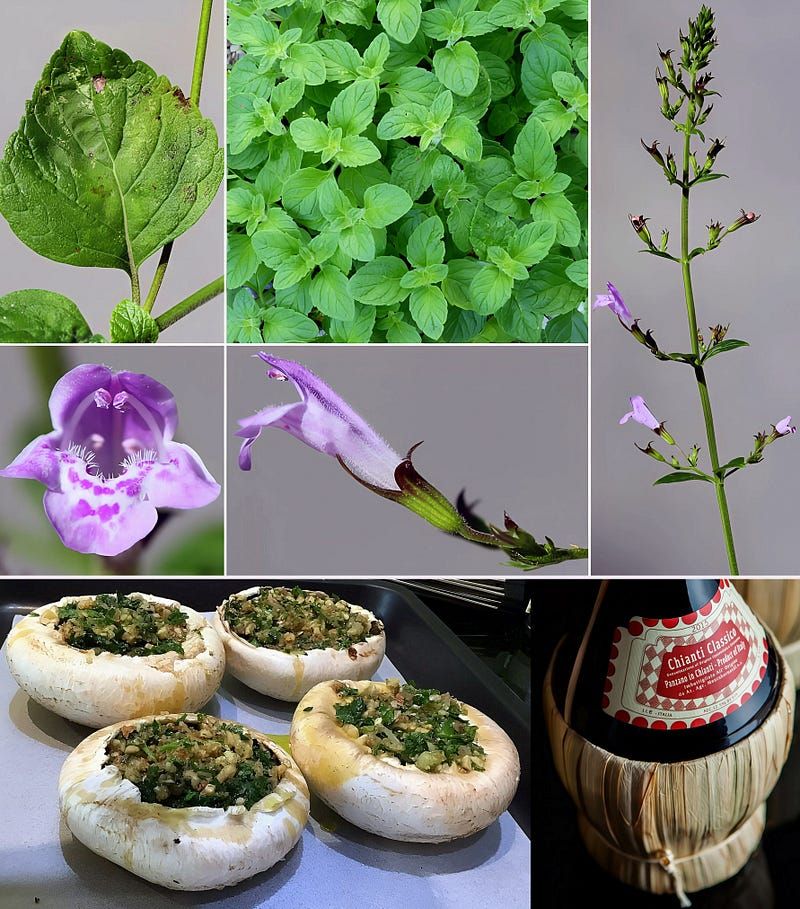
This herb grows in compact mounds, typically under 16 inches (40 cm) tall. Its square stems are finely hairy, with small, soft green, ovate leaves that have slight teeth and shimmer in sunlight. Midsummer brings clusters of tiny lilac to white flowers, so dense they give the plant a frosted appearance. Calamint is drought-tolerant and thrives in poor, rocky soils, reflecting its Mediterranean origins. The leaves contain microscopic oil glands that release a complex scent when bruised, deterring insects while pleasing humans.
Ecology
Calamint has long been a quiet companion of terraced hillsides and neglected field edges. It attracts pollinators — bees, hoverflies, and butterflies — turning a barren patch into a lively crossroads of nectar and color. In sustainable landscaping, calamint is valued as a drought‑tolerant groundcover, reducing water needs while offering habitat for beneficial insects. As wild populations face pressure from land development and climate stress, there is growing interest in cultivating and preserving local genetic lines rather than relying on imported stock, ensuring that traditional flavors and ecological resilience remain intact.
Uses
Beyond its charm in the garden, calamint has carved out a modest yet enduring place in regional markets. Smallholders in Tuscany and Provence often sell bundles at weekly markets, a fragrant side income that supports sustainable rural economies. Herbalists value its essential oil in low‑dose remedies for digestive complaints, and artisanal distillers experiment with calamint‑infused liqueurs. Because it thrives without synthetic fertilizers or heavy irrigation, calamint aligns naturally with organic principles, making it a model herb for regenerative agriculture.
Culinary Aspects
In the kitchen, calamint is a revelation. Its flavor is bright yet earthy, an elusive middle ground between mint’s coolness and oregano’s peppery warmth. A single sprig tossed into a tomato sauce deepens the aroma, while a handful of chopped leaves folded into sautéed mushrooms brings unexpected freshness. In the mountains of Abruzzo, calamint is paired with grilled lamb, its volatile oils cutting through the richness of the meat. Dried leaves retain their potency for months, and a teaspoon, roughly one gram, infuses a whole pot of beans with subtle complexity. The nutritional benefits are quiet but real, as the leaves contain antioxidant compounds and trace minerals that enliven more than just the palate.
Wine Pairings
The herb’s dual nature — minty yet savory — makes it unusually versatile with wine. When calamint seasons a tomato‑based dish, a Chianti Classico with its red cherry notes and balanced acidity creates a harmonious chord. For richer preparations like lamb roasted with calamint, a Syrah from the Rhône, with its smoky undertones and hints of black pepper, matches the herb’s rustic depth. Even a crisp Pinot Grigio, light and floral, pairs beautifully with calamint‑infused salads or cheeses, allowing the herb’s brightness to shine without competition.
Conclusion
Calamint reminds us that even the smallest plants can carry vast histories and possibilities. It is a survivor, a flavor bearer, and a subtle ally in creating sustainable gardens and unforgettable meals. As you walk through your patch of green — whether a balcony pot or a countryside terrace — consider planting calamint. In its leaves, you may find a bridge between the wild and the cultivated, between tradition and innovation, and between the fleeting aroma of a summer day and the enduring memory of taste.