Cloaked in Sand and Secrets: The Hidden World of the False Stonefish
The oceans hide countless marvels, but few are as quietly sinister and unexpectedly fascinating as the false stonefish, known…
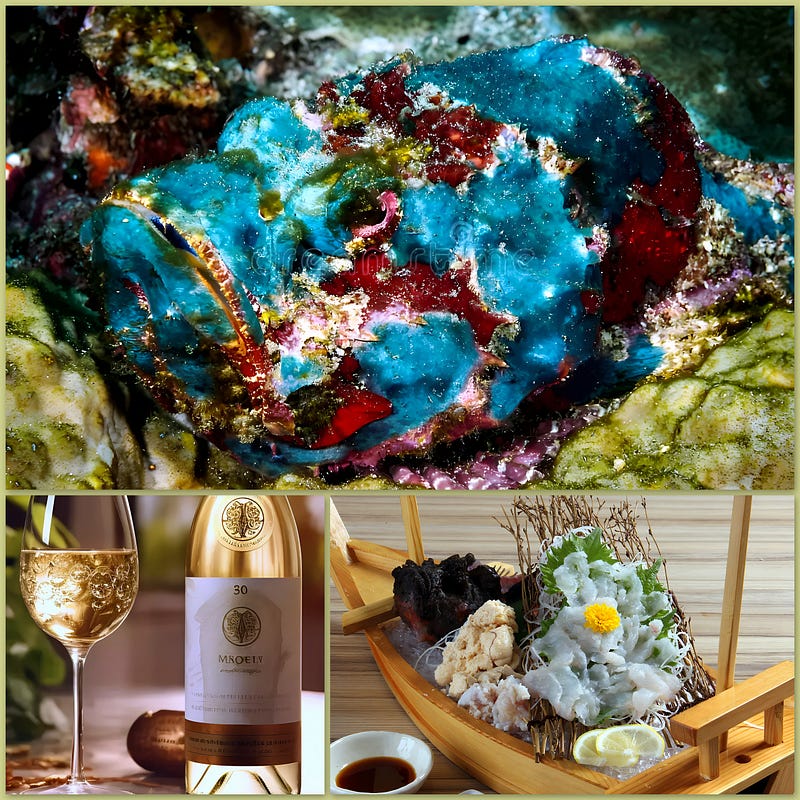
The oceans hide countless marvels, but few are as quietly sinister and unexpectedly fascinating as the false stonefish, known scientifically as Scorpaenopsis diabolus. This creature lurks in plain sight, blending so perfectly with coral and rock that even seasoned divers sometimes miss its presence until it’s too late. Behind its demonic name lies a species that embodies both the elegance and danger of marine life, a species that challenges our understanding of beauty, adaptability, and sustainability in the sea.
Taxonomy
Scorpaenopsis diabolus belongs to the family Scorpaenidae, a lineage famed for venomous spines and masterful camouflage. Within this genus, no subspecies are formally recognized, though regional variants display slight color shifts, from muted grays to rich russet browns. Common names abound — false stonefish, devil scorpionfish, or bearded scorpionfish — each reflecting its resemblance to the notorious true stonefish. While stonefish species are occasionally harvested for local food markets, S. diabolus remains an oddity, more admired for its uncanny disguise than sought after as a staple catch.
Biology
A fully grown false stonefish typically reaches a length of about fourteen inches, which is approximately thirty-five centimeters. Its stocky body is armored with venomous dorsal spines capable of delivering a painful sting. What truly sets it apart is its textured skin, covered with tassels and nodules that mimic rubble, seaweed, and coral. It spends most of its life motionless, conserving energy, lunging at prey with a rapid vacuum strike that swallows small fish and crustaceans whole. Its life cycle is a testament to patience; juveniles drift with the currents before settling onto reefs, where they grow into masters of ambush.
Ecology
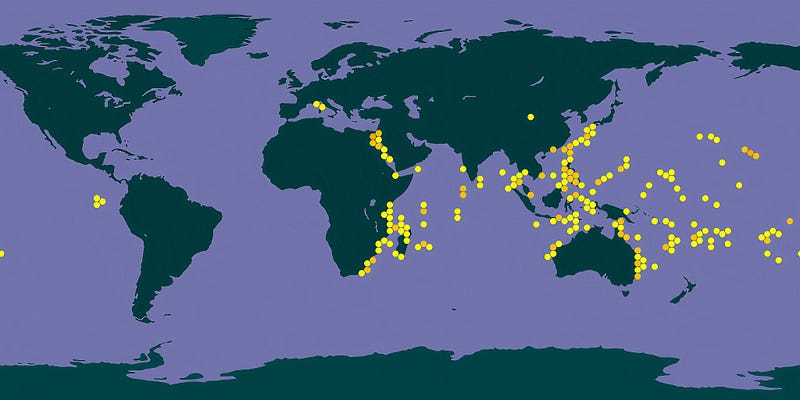
These fish inhabit shallow tropical waters throughout the Indo-Pacific, from tide pools to depths of about one hundred feet, equivalent to roughly thirty meters. They prefer rubble-strewn reefs and seagrass beds, habitats that amplify their camouflage. As ambush predators, they regulate populations of small reef fish, maintaining ecological balance. Conservation concerns stem from habitat destruction and coastal development rather than overfishing. Efforts to protect coral reefs indirectly safeguard these cryptic hunters, emphasizing sustainable marine management and careful dive tourism practices.
Uses
In some coastal regions, the false stonefish is occasionally caught incidentally and sold in local markets. Its economic relevance is minor compared to more abundant reef fish, but it underscores the importance of sustainable fishing techniques that minimize bycatch. Because of its venom, handling requires expertise and respect, reminding communities of the need for education in safe harvesting practices. For marine aquarists, it represents a prized species, though ethical sourcing is paramount to avoid damaging wild populations.
Culinary Aspects
Although rarely eaten, when prepared with skill, its white flesh is tender and delicately flavored, similar to other scorpionfish species. In coastal villages, it might be simmered into a broth, fried crisp to neutralize venom near the spines, or served with local herbs that highlight its mild sweetness. The nutritional profile is comparable to other lean reef fish, offering high protein with minimal fat, though its scarcity often renders it a culinary curiosity rather than a staple.
Wine Pairings
Should one encounter a carefully prepared dish of false stonefish, a wine pairing becomes an art form. A crisp Sauvignon Blanc, bright with citrus and mineral notes, complements its clean oceanic flavor. Alternatively, a lightly oaked Chardonnay can bring out the subtle sweetness of the meat, harmonizing with the delicate seasoning that coastal recipes favor.
Conclusion
The false stonefish is more than a venomous oddity; it is a symbol of the ocean’s ability to surprise and unsettle, to cloak life in deceptive stillness. Its existence urges us to look closer, to tread carefully, and to value the intricate relationships that sustain reef ecosystems. Whether admired through the lens of marine biology, appreciated for its rare culinary offerings, or contemplated as part of a sustainable future for our oceans, Scorpaenopsis diabolus stands as a testament to nature’s ingenuity and the enduring mystery of the deep.