Crimson Depths: The Vermilion Snapper’s Journey from Reef to Table
The vermilion snapper, Rhomboplites aurorubens, is one of those fish that looks like it was painted by a reckless artist with too much red…
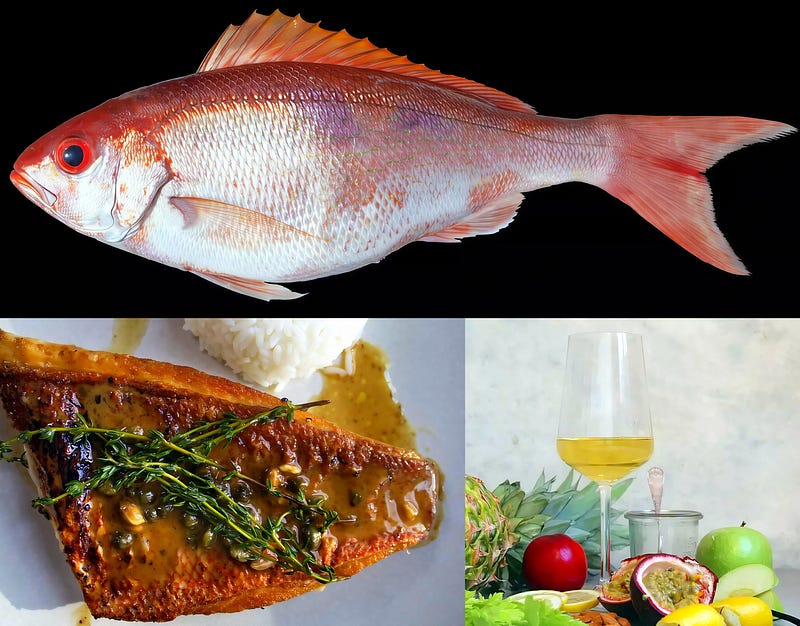
The vermilion snapper, Rhomboplites aurorubens, is one of those fish that looks like it was painted by a reckless artist with too much red on the brush. It glimmers in tropical shallows and deep offshore waters alike, a streak of ruby in the dim blue. More than just a flash of color, it is a species that links marine ecosystems, coastal economies, and dining tables from the Gulf of Mexico to the Caribbean.
Taxonomy
The vermilion snapper belongs to the family Lutjanidae, which includes many of the world’s most prized reef fish. Its genus, Rhomboplites, is monotypic — meaning this species stands alone without close sibling species. Its scientific name, aurorubens, literally means “red dawn,” a reference to the fish’s vivid hues. Common names vary across regions: some fishers call it “mingo,” while others confuse it with the more famous red snapper, Lutjanus campechanus. This mislabeling is not trivial; it has fueled disputes in markets and regulations, as vermilion snapper often sells for less yet resembles its cousin.
Biology
A relatively small snapper, vermilion rarely exceeds 24 in (61 cm), though many are closer to 12–16 in (30–40 cm). Weights generally top out around 7 lb (3.2 kg). Its slim body, forked tail, and large eyes give away its habits as a fast midwater hunter. Schooling tightly over reefs, it feeds on small fish, shrimp, and squid. Life span stretches to about 15 years, though few make it that far in fished waters. Sexual maturity comes early, often by 1 year of age, and spawning occurs multiple times from late spring into autumn, a strategy that helps stabilize populations against fishing pressure.
Ecology
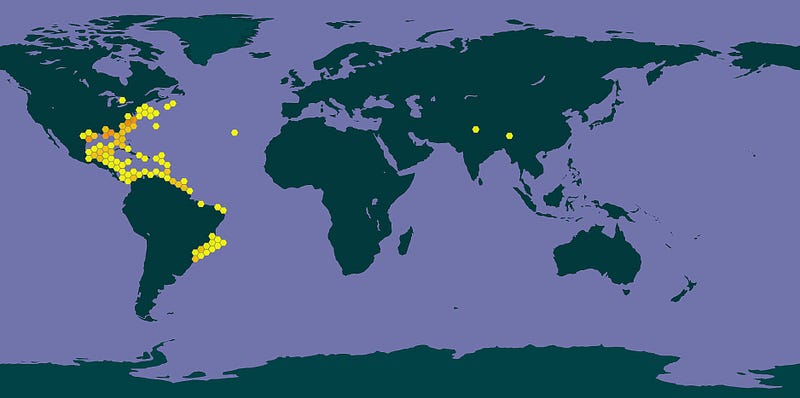
Vermilion snapper range from North Carolina through the Gulf of Mexico, across the Caribbean, and down to Brazil. They favor reef structures, natural or artificial, at depths from 80 ft (24 m) to over 1,000 ft (305 m). Their ecological role is both predator and prey: they help regulate populations of small schooling fish and crustaceans, while larger predators — groupers, sharks, barracudas — feed on them.
Overfishing has been a recurring issue, as their resemblance to red snapper has led to high bycatch and occasional misreporting. Regulatory bodies in the United States have enforced quotas and minimum size limits to keep stocks sustainable. Still, pressure from commercial and recreational fleets demands vigilance. Artificial reefs and marine protected areas offer some respite, but long-term sustainability depends on balancing fishing demand with habitat preservation.
Uses
Economically, vermilion snapper supports a significant portion of the reef fishery in the Gulf and Caribbean. Unlike the red snapper, which can command premium prices, vermilion often serves as a more affordable alternative. Its firm flesh, mild flavor, and attractive fillets make it popular in both restaurants and home kitchens. In markets, fillets are usually sold skin-on, the scales glinting pink and silver, a subtle reminder of their wild origins.
Culinary Aspects
The flesh of vermilion snapper is lean, flaky, and moist, with a delicate sweetness that resists overpowering. Its taste is lighter than grouper or tuna, closer to a refined version of tilapia but with a saltier, oceanic finish.
Flavor profile leans toward clean and slightly nutty, while the aroma carries a faint brine. The mouthfeel is soft yet structured; the flakes separate easily without falling apart into mush. The balance of flavor is subtle rather than bold, making it versatile for a wide range of preparations. Aftertaste is faintly mineral, almost shell-like, leaving a refreshing impression.
Visually, the raw fillet is translucent pink with thin white striations. When cooked, it turns opaque and gleams ivory. The chemesthetic experience — how the mouth reacts to heat or spice — plays well with vermilion, since its neutrality absorbs marinades without losing identity.
Cooking methods include grilling, broiling, steaming, and pan-searing. A 6-oz (170 g) fillet provides about 28 g of protein and only 2 g of fat, making it a healthy option rich in omega-3 fatty acids. A squeeze of lemon or a brush of olive oil is often enough. Caribbean kitchens favor it fried whole, while in the Gulf it’s often blackened with cayenne and paprika.
Wine Pairings
Pairing wine with vermilion snapper demands a balance between subtlety and vibrancy. A crisp Sauvignon Blanc, chilled to 45°F (7°C), mirrors the fish’s clean flavors with citrus and grassy notes. Chardonnay, especially unoaked varieties, offers a rounder counterpoint that enhances the fish’s buttery flakes. For those who prefer sparkling, a Brut Champagne at 50°F (10°C) sharpens the salt-kissed aftertaste beautifully. If red wine is non-negotiable, a light Pinot Noir — served just under 60°F (15.5°C) — works surprisingly well, its berry notes playing against the fish’s sweetness.
Conclusion
The vermilion snapper is more than a lookalike cousin of the red snapper. It is a distinct species, with a unique ecological role, a steady economic contribution, and a quiet elegance on the plate. As fisheries strive to balance harvest with conservation, the future of Rhomboplites aurorubens depends on awareness — from regulators and chefs, from diners and divers. Its crimson flash beneath the waves reminds us of the fragile abundance of the sea, a resource both beautiful and finite.