Sacred Green: The Story of Holy Basil’s Healing Power and Culinary Soul
Holy Basil is not simply a plant — it is a cultural bridge, a biological marvel, and a testament to humanity’s evolving relationship with nature.
Introduction
Few plants blur the lines between the sacred and the everyday table as seamlessly as Holy Basil, known to botanists as Ocimum tenuiflorum and to millions in South Asia as Tulsi. Worshipped in temples, brewed in kitchens, and studied in laboratories, this humble herb carries the weight of religion, medicine, and flavor. Its leaves perfume courtyards in India, its extracts fuel wellness industries across continents, and its intense aroma sparks debates among chefs seeking balance in complex dishes. Holy Basil is not simply a plant — it is a cultural bridge, a biological marvel, and a testament to humanity’s evolving relationship with nature.
Taxonomy
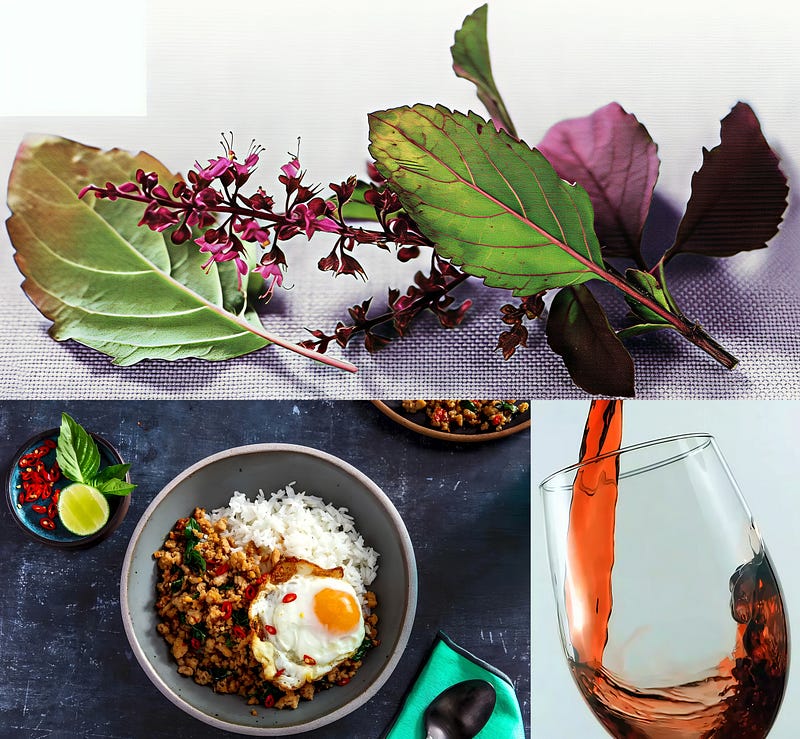
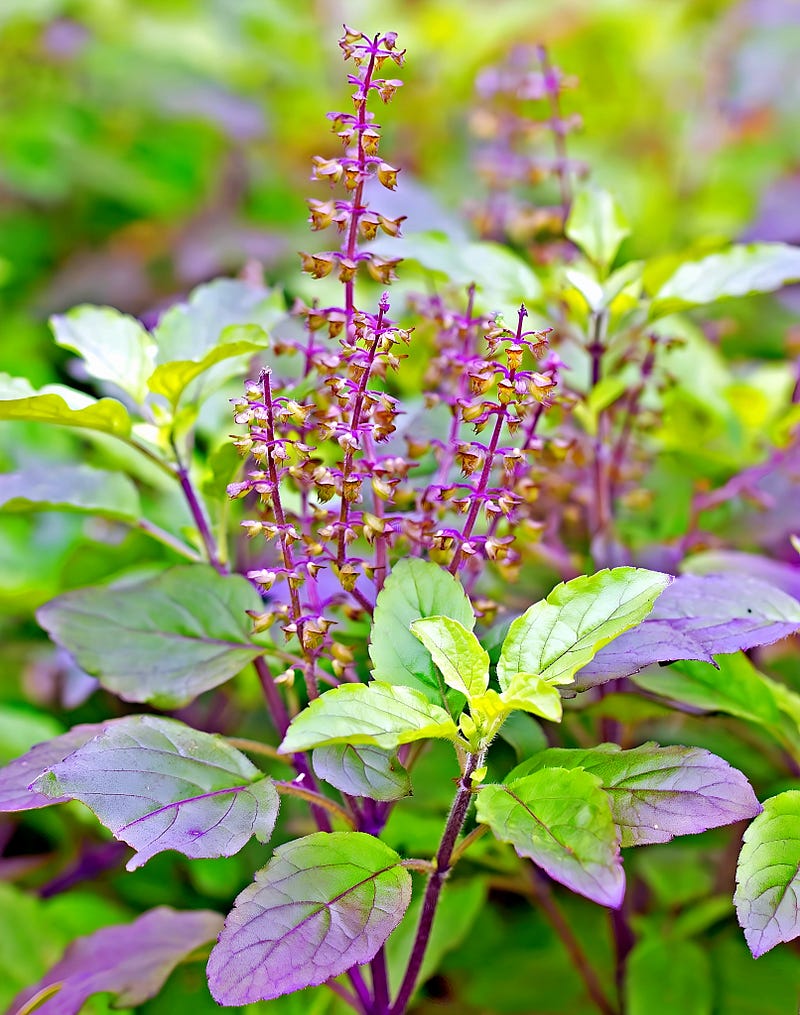
Holy Basil belongs to the mint family, Lamiaceae, which also includes familiar culinary staples like rosemary, sage, and oregano. The species Ocimum tenuiflorum is distinct from Ocimum basilicum, the sweet basil more commonly found in Mediterranean kitchens. Within the species, two main varieties are recognized: Rama Tulsi, characterized by its green leaves and gentler flavor, and Krishna Tulsi, distinguished by its striking purple leaves and sharper, peppery bite. Other cultivars exist, often regionally adapted, but these two are the most dominant in medicinal and culinary traditions.
Biology
The plant reaches about 30 to 60 cm in height, or roughly 12 to 24 inches, depending on conditions. Its leaves are oval with serrated edges, typically 2.5 to 5 cm long, or 1 to 2 inches. When crushed, they release a sharp, clove-like fragrance due to eugenol, the same compound that gives cloves their pungency. Holy Basil flowers are tiny and purplish, clustered on spikes, attracting bees and pollinators. The plant is an annual in most regions but can behave as a perennial in tropical climates. Adaptable and resilient, Tulsi thrives in both pots and fields, often reseeding itself year after year.
Ecology
Native to the Indian subcontinent, Holy Basil prefers warm, sunny climates with well-drained soil. It has been widely cultivated across Southeast Asia and Africa, and its ecological role as a pollinator-friendly herb ensures its place in biodiverse gardens. Beyond its ecological contributions, Tulsi is considered sacred in Hinduism, often grown in household courtyards as a spiritual guardian. Cultivation practices today stress sustainability, as overharvesting and commercial demand can threaten local biodiversity. Agroforestry systems that integrate Tulsi with other crops have proven effective in balancing economic needs with ecological responsibility.

Uses
Holy Basil is a cornerstone of Ayurveda, where it is valued as an adaptogen — an herb believed to help the body resist stress. Extracts are marketed globally as teas, tinctures, and capsules, fueling a multimillion-dollar wellness economy. Farmers cultivating Tulsi can earn steady incomes, as demand continues to grow in Europe and North America. Sustainable harvesting methods — cutting stems rather than uprooting plants — ensure that production remains viable without exhausting soil fertility. Tulsi also finds its way into cosmetics, incense, and herbal remedies, making it one of the most economically versatile members of the mint family.
Culinary Aspects
The taste of Holy Basil is far more aggressive than the sweet, mellow flavor of common basil. Its flavor profile leans toward spicy and peppery, with notes of clove, licorice, and camphor. The aroma is sharp, almost medicinal, with volatile oils that linger on the palate. Mouthfeel is warming and slightly numbing, creating a chemesthetic experience akin to eating fresh ginger or black pepper. The complexity lies in its shifting balance: at first bite, the herb strikes with heat and sharpness, then mellows into a faint sweetness on the finish.
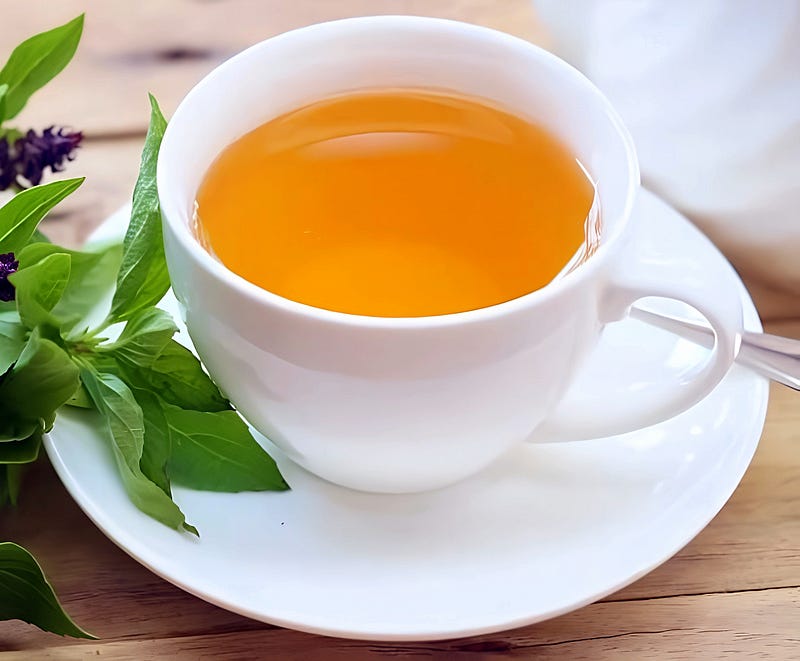
Culturally, Tulsi is not as widely used in savory dishes as its Mediterranean cousin, but it finds a home in herbal teas, infusions, and traditional recipes. In Thai cuisine, a close relative called Thai Holy Basil (Ocimum tenuiflorum adapted for Southeast Asia) stars in stir-fries like Pad Kra Pao, where its pungency cuts through rich sauces. In Ayurveda, Tulsi is often brewed as an infusion with honey and ginger, praised for easing respiratory ailments. Nutritionally, the leaves provide antioxidants, vitamin C, and trace minerals, making them as beneficial as they are flavorful.
Wine Pairings
Pairing wine with Holy Basil requires courage. Its pungency clashes with many subtle whites, but certain wines rise to the challenge. A crisp Sauvignon Blanc, with its grassy and herbal notes, mirrors Tulsi’s intensity without being overwhelmed. A dry Riesling, offering acidity and a touch of residual sweetness, can tame the peppery bite while highlighting its licorice undertones. For red wine enthusiasts, a light-bodied Pinot Noir with earthy, mushroomy notes balances the spice while preserving nuance. These pairings work best when Tulsi is used in stir-fries, herbal teas, or spiced broths, creating a harmony between wine and herb.
Conclusion
Holy Basil is not just another leaf in the herb garden. It is a sacred symbol, a medicinal powerhouse, an ecological ally, and a culinary disruptor. From its role in Hindu rituals to its rising status in global health markets, Tulsi continues to remind us of the deep connections between plants and people. In every fragrant sip of Tulsi tea or every fiery stir-fry kissed by its pungent leaves lies a story of resilience, adaptation, and reverence. The future of Holy Basil rests on how we balance reverence with responsibility, ensuring that this sacred herb remains both a healer and a flavor for generations to come.