Fire in the Flesh: The Story of the Ghost Pepper
Introduction The ghost pepper, or Capsicum chinense, is both legend and livelihood. Once the world’s hottest chili, this fruit of fire is…
Introduction
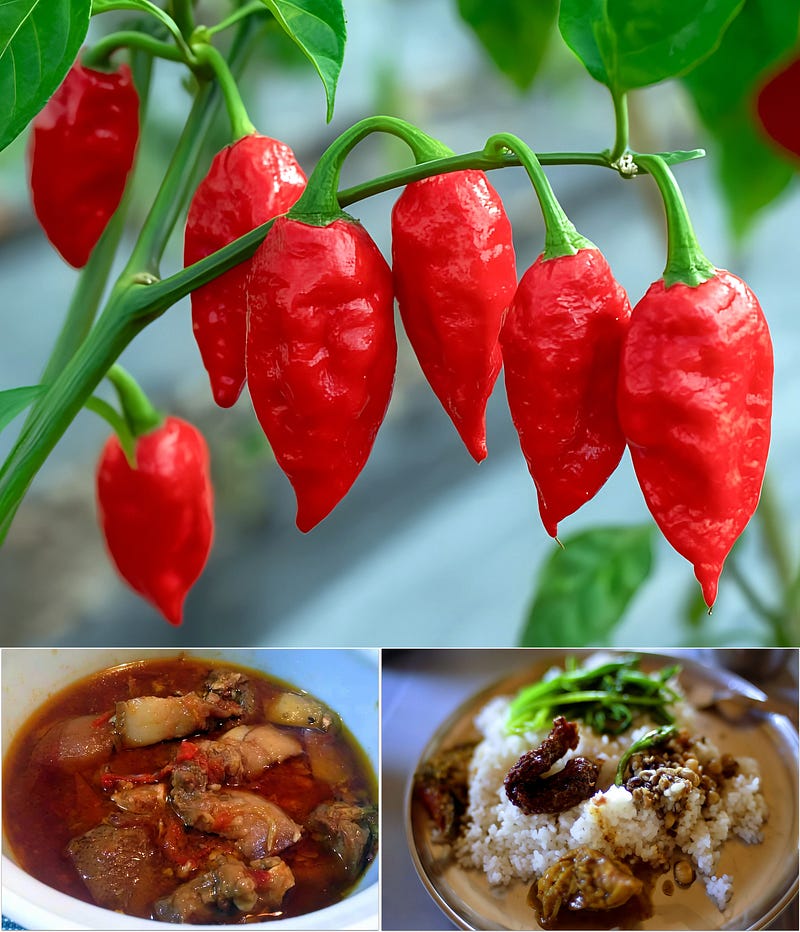
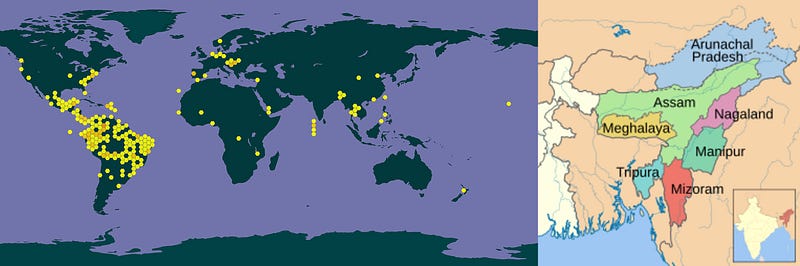
The ghost pepper, or Capsicum chinense, is both legend and livelihood. Once the world’s hottest chili, this fruit of fire is cultivated not for the faint of heart but for those who chase intensity. Native to India’s northeast — particularly Assam, Nagaland, and Manipur — it represents a cultural identity built on endurance and heat. Known locally as Bhut Jolokia (“Bhut” meaning ghost in Assamese), it sits at the crossroads of biology, culture, and commerce — a reminder that nature often balances peril with purpose.
Taxonomy
Capsicum chinense belongs to the Solanaceae family, which includes tomatoes, potatoes, and eggplants. Its genus Capsicum encompasses over 30 species, though only five are domesticated: C. annuum, C. baccatum, C. frutescens, C. pubescens, and C. chinense. Among these, C. chinense produces some of the hottest peppers known, including the ghost pepper, the Trinidad Moruga Scorpion, and the Carolina Reaper.
Common names vary regionally. In India, it is Bhut Jolokia (Assamese, Nagaland), Naga Mircha (Hindi, India), and Raja Mircha (Meitei, Manipur). In Bangladesh, it is Naga Morich (Bengali). In English-speaking countries, it is called ghost pepper or ghost chili.
Biology
The ghost pepper is a perennial in tropical climates, typically reaching 3 ft (0.9 m) in height. Its fruits measure about 2.5–3.5 in (6.4–9 cm) long and 1.2 in (3 cm) wide, ripening from green to vivid orange-red.
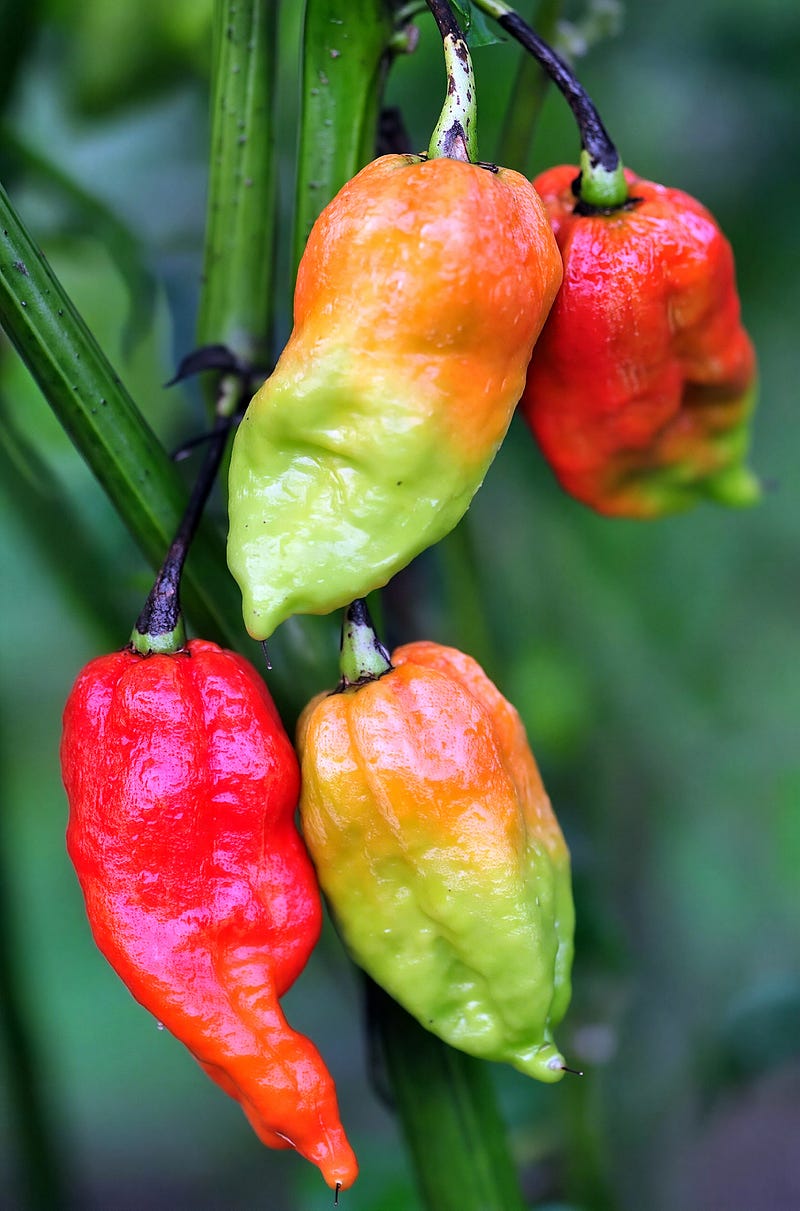
The skin is wrinkled and thin, hinting at the volatile capsaicinoids within. On the Scoville scale, it measures around 1,000,000 SHU, though field-grown specimens can vary between 800,000 and 1,200,000 SHU.
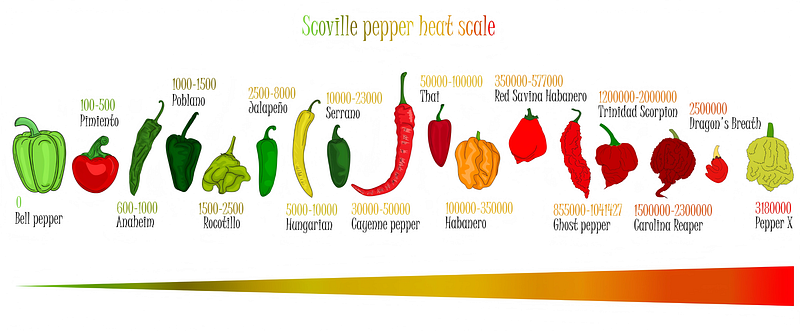
Each fruit develops over 120–150 days, depending on soil moisture and temperature (optimum range: 77°F–95°F or 25°C–35°C). Its pungency arises from capsaicin concentration, primarily in the placental tissue rather than the flesh.
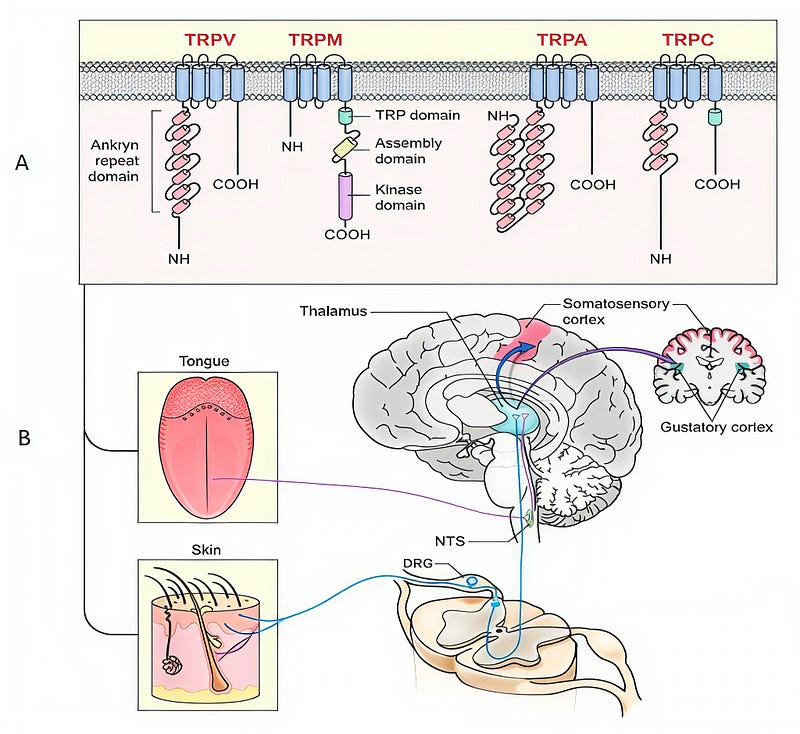
Capsaicin is the alkaloid that gives ghost peppers their heat. It binds to TRPV1 receptors, tricking the brain into sensing burning without real damage. Concentrated in the pepper’s placenta, it evolved to repel mammals but not birds. Its formula is C₁₈H₂₇NO₃, and it melts at 143°F (62°C). Medicinally, it boosts circulation, releases endorphins, and reduces pain by depleting substance P. It’s also thermogenic, slightly raising metabolism. Industrially, it’s extracted with ethanol or CO₂ for use in sauces, creams, and pepper spray — a single compound linking cuisine, medicine, and defense.
Ecology
Ghost pepper plants thrive in humid, subtropical environments with well-drained loam soil at pH 6.0–6.8. They are native to the northeastern states of India, where monsoon rains sustain their growth cycles. Pollinated by bees and other insects, C. chinense plays a modest but steady role in maintaining biodiversity in smallholder farm ecosystems.
Sustainability challenges include overharvesting and soil degradation from monoculture practices. However, organic rotational systems and integrated pest management have proven effective. The pepper’s high market value provides rural income diversification, reducing dependence on slash-and-burn agriculture.
Uses
Edible parts include the fruit (pericarp and seeds). It is used fresh, dried, or smoked. In traditional dishes, it flavors curries, chutneys, and pickles. Common preparation forms include paste, powder, and infused oil. Typical yield is 1.5–2.5 tons per hectare (1.3–2.2 tons per acre). Each 100 g (3.5 oz) provides approximately 40 kcal, with about 1.9 g protein, 8.8 g carbohydrates, and high levels of vitamins C (240 mg) and A (850 µg).
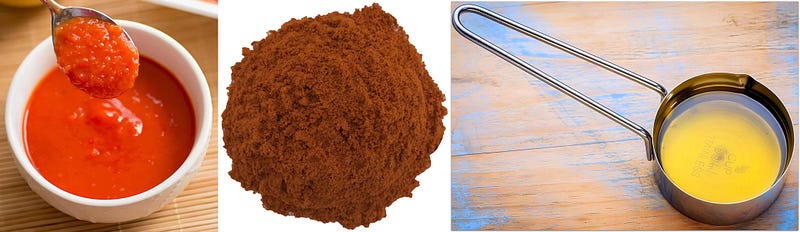
Anti-nutrients are minimal, but excessive consumption may irritate mucous membranes. Toxicity arises only from concentrated extracts or misuse of pepper sprays. Commercial products include sauces, chili flakes, dehydrated pods, capsules, and topical creams.
Taste is fiercely pungent with smoky, earthy undertones and a delayed, lingering burn. Aroma is fruity and tropical with hints of mango, citrus, and leather. Texture is thin-skinned yet dense. When cooked, capsaicin volatilizes, moderating the sting and enhancing depth in stews or barbecues. Best methods include slow cooking, smoking, and infusion into fats or oils.
Pairings favor neutral starches and cooling dairy. Its flavor stability is moderate — intensity declines with prolonged heating beyond 10 minutes at 392°F (200°C).
Medicinally, capsaicin acts as an analgesic and thermogenic compound. It promotes endorphin release, aids metabolism, and is used in topical pain relief. Typical dosage in creams ranges from 0.025–0.075% capsaicin. Evidence level: moderate. Safety concerns include skin irritation and contraindication in ulcer patients. Regulatory status: approved by the FDA for external use.
In animal feed, ghost pepper residues are rarely used due to palatability issues and anti-nutritional effects. Not suitable for silage.
From a material standpoint, its compounds — capsaicin, dihydrocapsaicin, and nordihydrocapsaicin — are extracted by solvent methods (ethanol or supercritical CO₂). Concentrations range from 0.1–1.5% of fruit weight. Applications span food preservation, pharmacology, pest control, and even defense (oleoresin capsicum sprays). Hazards include contact burns and respiratory distress.
Agriculturally, ghost pepper improves soil microbial diversity when used in rotation. Pollinator value is moderate, with bees drawn to its flowers. Invasiveness risk is low. Ecoservice type: smallholder income generation and soil regeneration. Carbon sequestration estimate: about 2.1 tons CO₂ per hectare per year (1.9 tons per acre).
Cosmetic use includes thermogenic creams for muscle recovery. Cultural use in northeastern India ties the pepper to identity, strength, and ritual foodways. Commercialization has prompted intellectual property disputes, particularly over “Bhut Jolokia” GI tagging.
Energy use type: primarily biomass or solar drying. Calorific value of dried fruit: 3.2 kcal/g (1.45 kcal/g fresh). Conversion efficiency in capsaicin extraction: approximately 70%. Market price: USD $25–$45 per kg ($11–$20 per lb) depending on purity and origin.
Food safety limits: 0.25 mg/kg capsaicin in beverages; no limits for solid foods. Recommended practices: shade drying, manual sorting, and sealed packaging to prevent aflatoxin growth. Traceability initiatives and community-based GI systems enhance producer rights and monitoring.
Culinary Aspects
Ghost peppers balance intense heat with surprising fruitiness. The initial taste is earthy and vegetal, quickly yielding to a searing crescendo that plateaus before fading into warmth. The aroma recalls dried apricot, smoke, and tropical fruit. Mouthfeel is sharp and electric, triggering chemesthesis — a tactile burn sensed by pain fibers rather than taste buds. The texture, when dried, becomes leathery and crisp, ideal for grinding.
Culturally, ghost pepper holds pride of place in Assamese and Naga cuisines. It is often smoked with bamboo shoots or added sparingly to pork stews, its volatility demanding respect. The aftertaste is clean, leaving a trail of endorphin euphoria and sweat — an experience as much as a flavor.
Wine Pairings
Pairing wine with ghost pepper dishes demands precision. Residual sugar, low alcohol, and aromatic intensity balance the heat.
For smoked pork with ghost pepper, choose a Gewürztraminer from Alsace. Its lychee and rose notes soften the heat, while medium acidity refreshes the palate.
For seafood curries with ghost chili, a Torrontés from Argentina performs well. Its floral nose and light body offset the pepper’s aggressive capsaicin profile without clashing aromatically.
For vegetarian dishes or chutneys, a Vouvray demi-sec (Chenin Blanc, Loire Valley) balances sweetness and acidity, wrapping the spice in a honeyed cushion.
Assamese rice beer, known as apong or laupani, is a traditional brew that offers a cooling, starchy balance to the intense heat of ghost pepper (bhut jolokia) dishes. While dairy-based drinks also soothe spice, this indigenous fermented beverage is deeply ingrained in the regional cuisine.

Avoid high-tannin reds or high-alcohol wines; they amplify the burn.
Conclusion
The ghost pepper is not merely a spice — it is an emblem of intensity, endurance, and ecological adaptation. Born from humid soils and fiery traditions, it unites pain and pleasure in one biological paradox. As global demand for chili-based condiments rises, sustainable production and cultural respect must accompany this trade in heat. The ghost pepper reminds us that the world’s most extreme flavors often grow in the most fragile ecosystems.