From Beast to Banquet: The Enigmatic Monkfish (Lophius piscatorius) in Biology, Cuisine, and…
Introduction
From Beast to Banquet: The Enigmatic Monkfish (Lophius piscatorius) in Biology, Cuisine, and Conservation
Introduction
Hidden beneath the cold, dim waters of the North Atlantic, the monkfish (Lophius piscatorius) waits in ambush — a grotesque silhouette with a mouth like a trapdoor. Its appearance repels, yet its flesh seduces chefs worldwide. What was once tossed aside by fishermen as bycatch is now a centerpiece of haute cuisine. To understand the monkfish is to confront the strange intersection between the monstrous and the magnificent — biology meeting gastronomy, ecology meeting indulgence.
Taxonomy
The European monkfish, Lophius piscatorius (Linnaeus, 1758), belongs to the order Lophiiformes and family Lophiidae, a group known for its predatory lures. Its closest relatives include Lophius budegassa (black-bellied monkfish), Lophius americanus, Lophius litulon, Lophius vomerinus, and Lophius vaillanti.
It goes by many names: monkfish, anglerfish, or sea devil in English; baudroie or lotte in French; rape in Spanish; rana pescatrice in Italian; tamboril in Portuguese; zeeduivel in Dutch; and havtaske in Danish. The Japanese refer to related species (Lophius litulon) as anko — a delicacy revered for centuries.
Commercial markets distinguish between L. piscatorius (white monkfish) and L. budegassa (black-bellied monkfish), both valued for their dense, boneless meat.
Biology
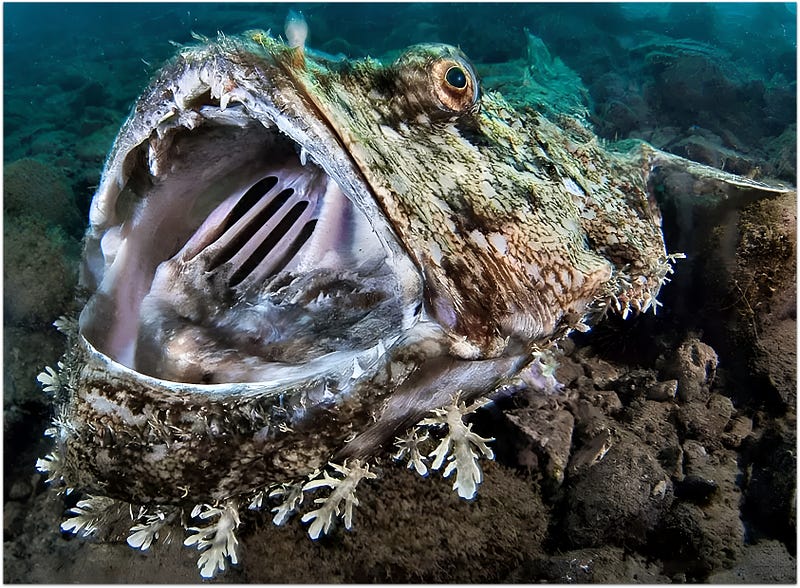
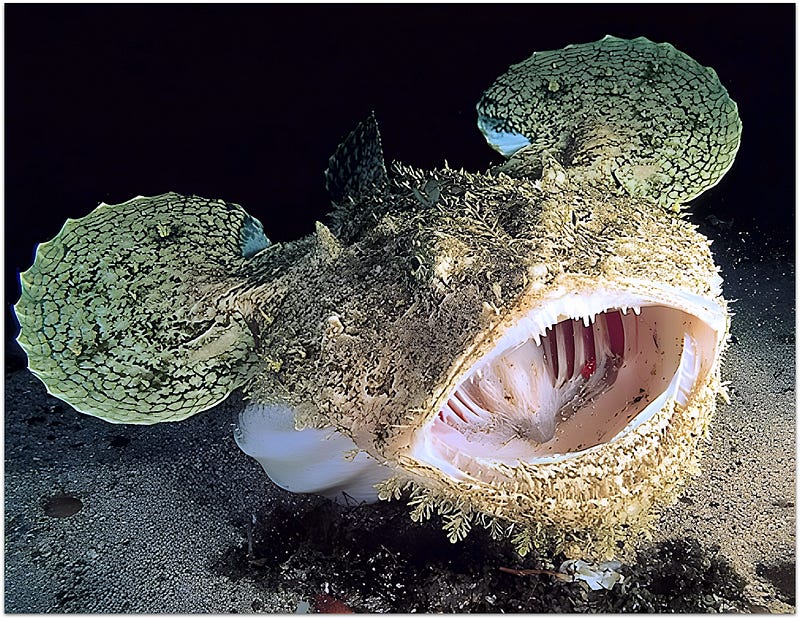
Monkfish anatomy is built for ambush. The broad, flat head, fang-lined mouth, and camouflaged skin make it a seafloor predator. A modified dorsal spine, the illicium, acts as a lure, wriggling to attract prey. It can swallow fish nearly its own size by expanding its stomach and jaws.
Adult monkfish range from 35–60 cm (13.8–23.6 in) on average but may exceed 100 cm (39.4 in) and weigh over 57 kg (126 lb). They inhabit depths from 20 m to 1,000 m (66–3,280 ft), walking along the seabed on jointed pectoral fins.
Females spawn gelatinous ribbons of eggs up to 25 m (82 ft) long, each sheet containing millions of eggs. After hatching, larvae drift pelagically until they settle as juveniles at 5–9 cm (2–3.5 in) in length. Females mature at 6–8 years, males at 4–6. Lifespan may exceed 20 years, with slow growth and late maturity making them vulnerable to overfishing.
Ecology
The monkfish ranges from the Barents Sea and North Sea down to the Mediterranean and occasionally the Black Sea. It prefers sandy or muddy seafloors, often camouflaged beneath sediment. Juveniles occupy shallower depths before descending to deeper zones as adults.
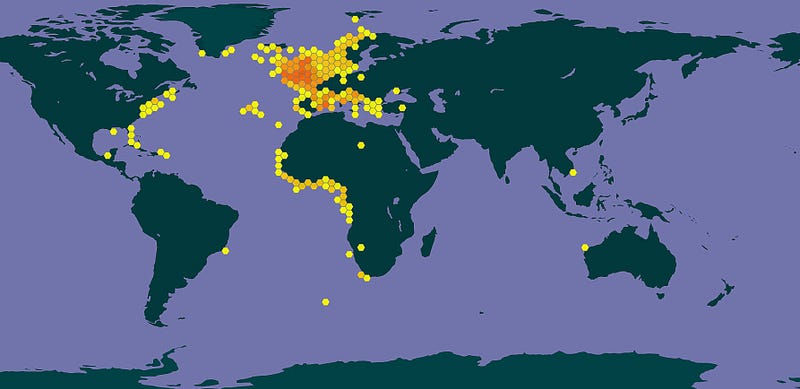
It preys on cod, haddock, flatfish, squid, and octopus — sometimes even seabirds. As a top benthic predator, it helps stabilize seafloor ecosystems by regulating smaller species.
Globally, L. piscatorius is listed as “Least Concern” by the IUCN, but regional management remains critical. The species’ slow growth, low fecundity, and habitat vulnerability make it sensitive to intensive trawling. The European Union, the UK, and NOAA regulate catches through quotas, minimum landing sizes, and area closures. Transitioning from destructive trawls to more selective gear and maintaining traceability standards are key to sustainability.
Uses
The monkfish is one of the few species fully utilized from head to tail in both East and West, though Japan has elevated whole-fish use to an art form.
Culinary Use in Japan
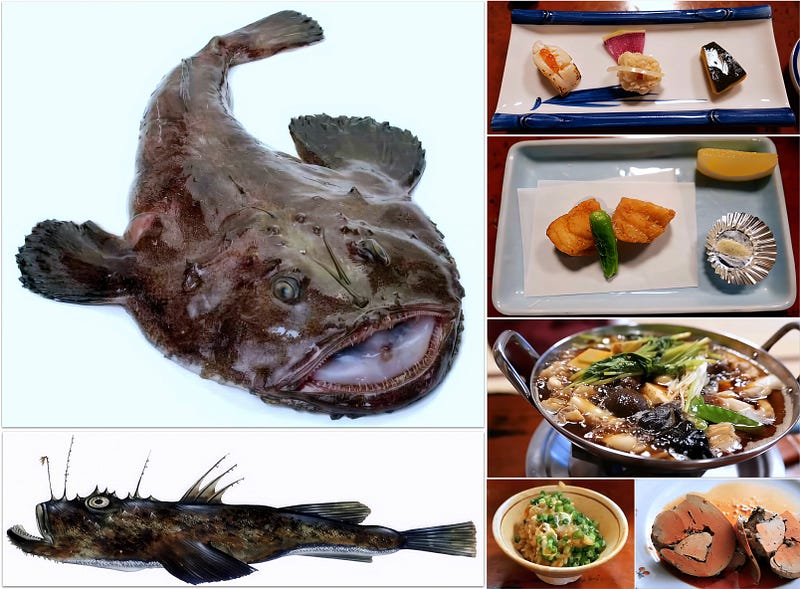
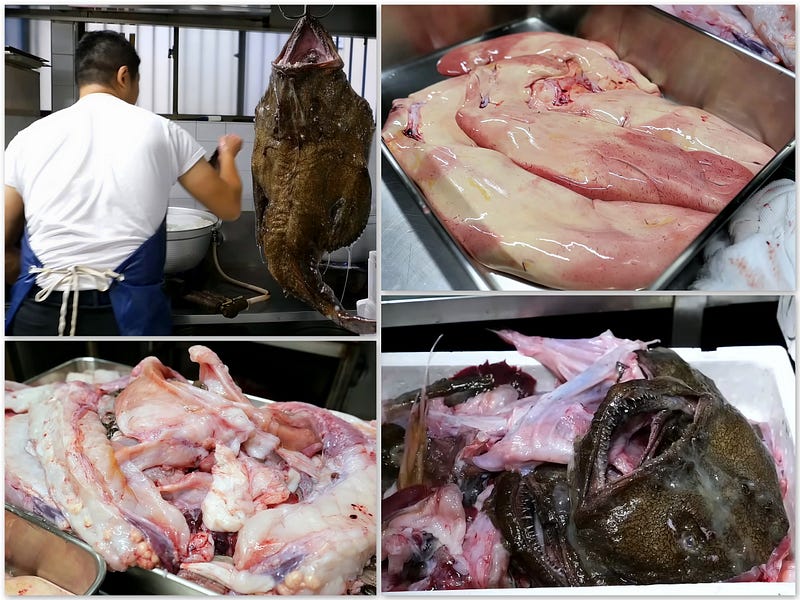
In Japan, related species (Lophius litulon) — known collectively as anko — are prized for their full-body utilization. The entire fish is eaten, including seven specific parts: flesh (tan), skin (kawa), liver (kimo), stomach (wari), ovaries (harako), fins (hire), and gills (agari). The head and bones form the base of a rich broth. Anko nabe (monkfish hot pot) combines these parts in a miso-based stock during winter, with the liver — the ankimo — treated as “foie gras of the sea.” The liver is steamed, pressed, and served with ponzu sauce or grated daikon, its texture silky and flavor briny-sweet.
Western Culinary Use
In Europe, the tail and cheeks are most valued. The flesh is white, firm, and subtly sweet, resembling lobster. French cuisine celebrates it in lotte à l’américaine, a tomato-cognac reduction. Portuguese and Spanish stews like caldeirada de tamboril and suquet de rape showcase their ability to absorb bold flavors without disintegrating.
Nutritionally, monkfish delivers about 76 kcal per 100 g (3.5 oz), with high protein, negligible carbohydrates, and low fat. Its clean flavor and lack of bones make it suitable for refined dishes. Heavy metals such as mercury should be monitored in large specimens, though the risk remains moderate.
Processing, Byproducts, and Industry
In Japan, all organs are used fresh. In Europe, waste is converted into fishmeal, collagen, or oil. Heads and skeletons can be reduced to gelatin-rich stocks. The skin’s collagen is extracted for nutraceutical or cosmetic products, while offal becomes feed protein. Monkfish silage and meal are used in aquaculture feed, offering high palatability and digestibility.
Sustainability and Regulation
Monkfish are subject to EU Total Allowable Catch (TAC) limits and traceability requirements. Certified fisheries (MSC and local designations) exist in the Northeast Atlantic. Consumers are advised to favor line-caught or gillnet-caught monkfish over trawl-caught fish to reduce habitat damage.
Non-Culinary and Cultural Uses
Beyond food, monkfish collagen is used in pharmaceuticals and cosmetics for skin hydration and elasticity. In Japan, anko festivals celebrate the winter catch, symbolizing abundance and renewal — an echo of centuries-old maritime tradition.
Culinary Aspects
Monkfish offers a clean, delicate sweetness and dense, lobster-like texture. Its muscle fibers remain tight when cooked, giving a meaty mouthfeel and a firm bite. The aroma is subtle and marine, the aftertaste clean and slightly nutty. When seared, the surface caramelizes to a bronze crust while the flesh stays snow-white.
The Japanese ankimo has a creamy mouthfeel and buttery umami, often paired with sake or crisp white wines. Western dishes emphasize contrast — grilled monkfish with citrus beurre blanc, roasted medallions with pancetta, or spiced stews in coastal Iberia. Its flavor stability under heat allows long reductions, making it ideal for high-temperature preparations.
Wine Pairings
Godello (Valdeorras, Spain) complements monkfish with chorizo or tomato-based sauces. Its saline minerality mirrors the sea while maintaining structure.
Assyrtiko (Santorini, Greece) aligns perfectly with lemon, miso, or caper sauces. Its sharp acidity refreshes the palate against the fish’s density.
Vermentino (Sardinia, Italy) works with grilled monkfish and herb sauces, its citrus and almond notes accentuating the sweetness of the flesh.
Albariño (Rías Baixas, Spain) suits monkfish with garlic butter or ankimo-style richness, balancing fat with acidity.
White Rhône Blends (Marsanne-Roussanne) match saffron or cream-based preparations, their soft texture echoing monkfish’s density.
Mencía (Bierzo, Spain), a low-tannin red, harmonizes with bacon-wrapped or roasted monkfish, adding brightness to savory fat.
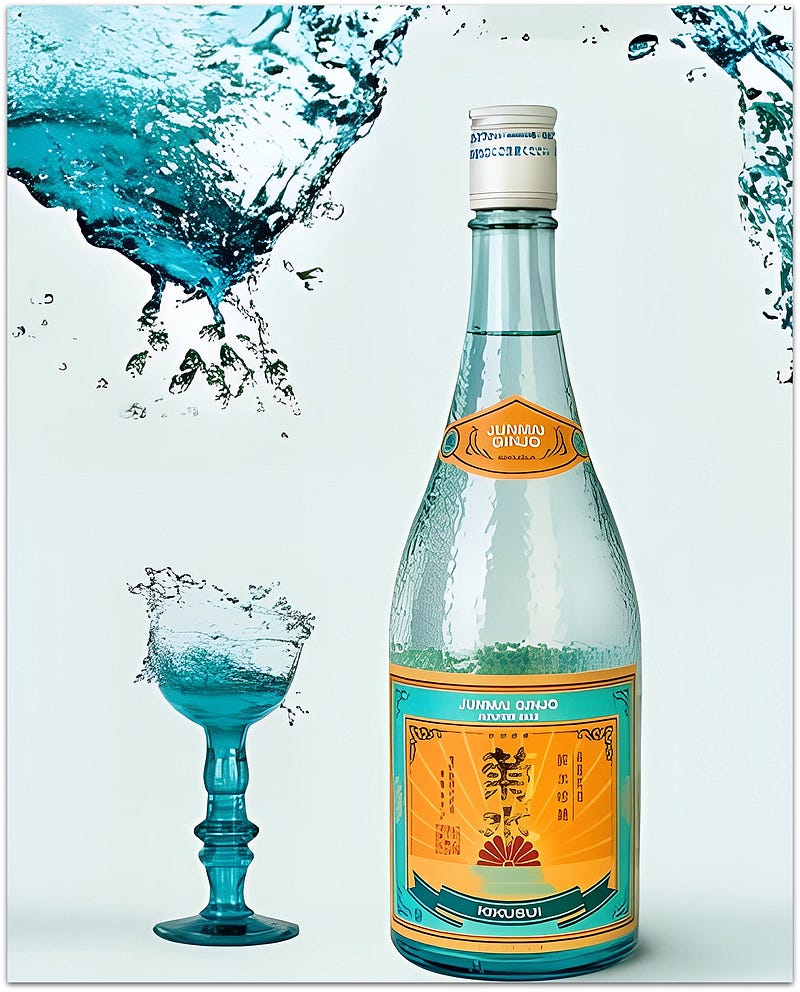
Dry Sake (Junmai Ginjo) is the natural companion to ankimo, cleansing the palate between bites and amplifying umami depth.
Conclusion
The monkfish is a paradox: monstrous yet magnificent, a deep-sea ambusher turned culinary aristocrat. Its evolutionary adaptations captivate scientists; its texture and versatility inspire chefs. In Japan, no part is wasted — a model of respect and resource efficiency. In Europe, its transformation from bycatch to delicacy underscores both human ingenuity and ecological responsibility.
To preserve this species’ legacy, sustainable harvesting and full-fish utilization must continue to evolve together. The monkfish teaches an elemental truth: what we once feared, we can learn to understand, taste, and protect.