Giants of the Amazon: The Timeless Allure of Arapaima
In the dusky stillness of the Amazon River at dawn, a ripple appears, wide and slow, as though the water itself is breathing. Then a…
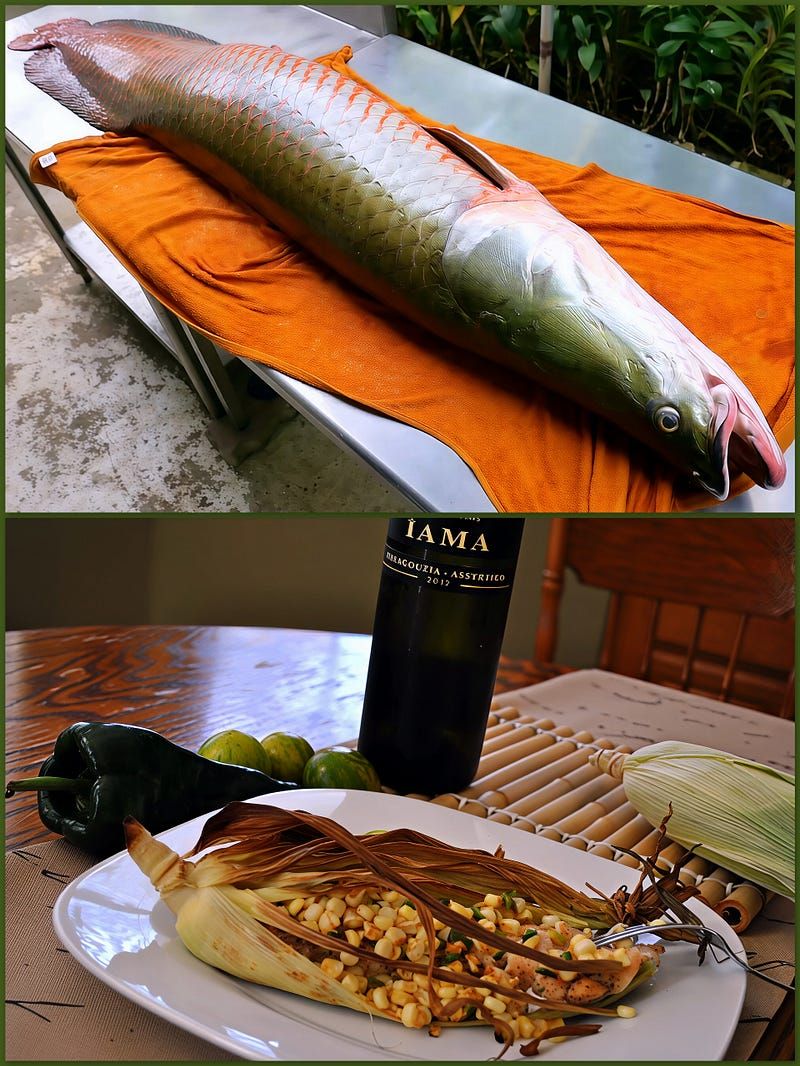
In the dusky stillness of the Amazon River at dawn, a ripple appears, wide and slow, as though the water itself is breathing. Then a massive bronze-green back breaks the surface, followed by a flash of crimson tail — this is the Arapaima, the ancient giant of South American waters. Revered for centuries by Indigenous communities and now captivating global chefs and sustainability advocates alike, Arapaima gigas stands as both a living fossil and a culinary revelation. To understand this remarkable fish is to glimpse a bridge between deep time and modern innovation, between riverine ecosystems and elegant dining tables across the world.
Taxonomy and Names That Carry the River’s Memory
Arapaima gigas, a member of the ancient Osteoglossidae family, has been swimming in our waters for over 100 million years. With no formally recognized subspecies, its scientific name is often used interchangeably with the Arapaima genus, despite noticeable variations in size and color across different tributaries. In Brazil, it’s revered as pirarucu, while in Peru, it’s known as paiche — names that carry cultural weight that’s hard to translate. The Tupi origins of “pirarucu” combine “pira,” meaning fish, and “urucum,” meaning red, likely referencing the fish’s striking tail and scale streaks. When market vendors in Iquitos shout “fresh paiche” for sale, they’re touting this very species.
Biology of a River Giant
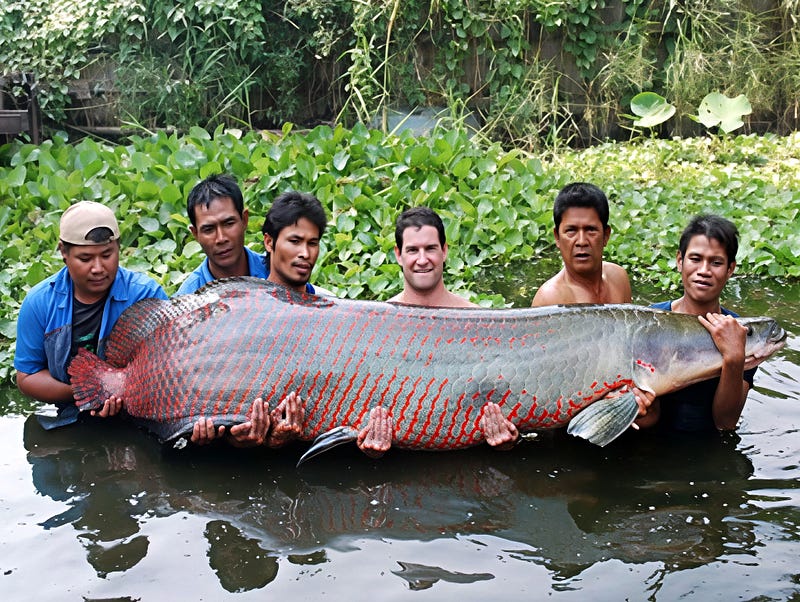
Picture a fish that stretches over 10 feet long and tips the scales at more than 440 pounds. Meet the Arapaima, a behemoth fish encased in crimson-edged scales that resemble mosaic armor, tough enough to deflect piranha bites. This air-breathing giant lets out a distinctive gasp as it breaks the surface, a sound that echoes through flooded forests. After reaching maturity at around five years, breeding pairs build shallow nests during the rainy season’s rising waters, fiercely guarding their young. What’s remarkable about these massive fish is their ability to thrive in low-oxygen waters, thanks to a swim bladder that’s essentially a lung.
Ecology and the Pulse of the Amazon
Arapaima dwell in slow-moving rivers, oxbow lakes, and seasonally flooded forests, where murky waters conceal their massive forms. They are apex predators, feeding on fish, crustaceans, and even small birds that stray too close to the water’s edge. Their presence indicates a healthy, interconnected aquatic ecosystem. Yet, decades of overfishing and habitat loss have threatened their numbers. Traditional fishing methods once kept populations stable, but modern demand has required sustainable quotas, protected reserves, and community-managed fisheries. Today, responsible practices in Brazil and Peru are proving that conservation and commerce can swim in tandem.

Economic Uses and Sustainability
Here’s a rewritten version:
Arapaima are more than just an ecological wonder — they’re an economic lifeline for many Amazonian communities. Their firm, boneless fillets are a hit in urban markets and high-end restaurants abroad, commanding top dollar. A single mature fish can yield over 150 pounds of clean meat, making it a lucrative catch for local fishers. To ensure sustainability, organizations are teaming up with villages to create harvesting calendars that protect breeding seasons while supporting local livelihoods. Aquaculture is also booming, with managed ponds mimicking river conditions to reduce pressure on wild populations.
A Culinary Treasure from River to Plate
The taste of Arapaima is a revelation — mild and delicate yet rich, with a clean, buttery finish that lingers like a fine white fish crossed with a hint of lobster sweetness. Its flesh is dense enough to withstand grilling and roasting while tender enough to flake elegantly under a fork. In Peruvian cuisine, chefs often prepare paiche with a bright aji amarillo sauce, letting its natural flavors sing. In Brazil, pirarucu is salted and sun-dried, its savory essence woven into stews. Nutritionally, a serving provides high-quality protein with low fat content, along with omega-3 fatty acids that support cardiovascular health.
Wine Pairings to Elevate the Experience
To honor this majestic fish on the plate, pair it with a crisp Sauvignon Blanc, whose citrus notes cut through the richness, or a lightly oaked Chardonnay, offering a creamy counterpoint to the meat’s subtle sweetness. For those inclined to red, a youthful Pinot Noir with gentle tannins can echo the earthy undertones of the river without overpowering the dish. Whether seared over open flame or served in refined ceviche, these wines transform a meal into a ceremony of place and palate.
Conclusion: A Future Woven with Water and Wisdom
Arapaima gigas is more than a fish — it is a living chronicle of the Amazon’s history and a promise of its sustainable future. By savoring its gifts with reverence and supporting responsible harvests, we ensure that this river giant continues to rise for breath, generation after generation. When next you encounter its name on a menu or in a market, remember the quiet dawns on distant waters and the ancient heartbeat beneath the ripples. The choice to cherish and protect it is, quite literally, in our hands.