Golden Blossoms of Earth and Culture: The Tale of Marigolds
Marigolds, whether the golden Calendula officinalis or the fiery Tagetes species, have long stood as more than ornamental flowers. They are…
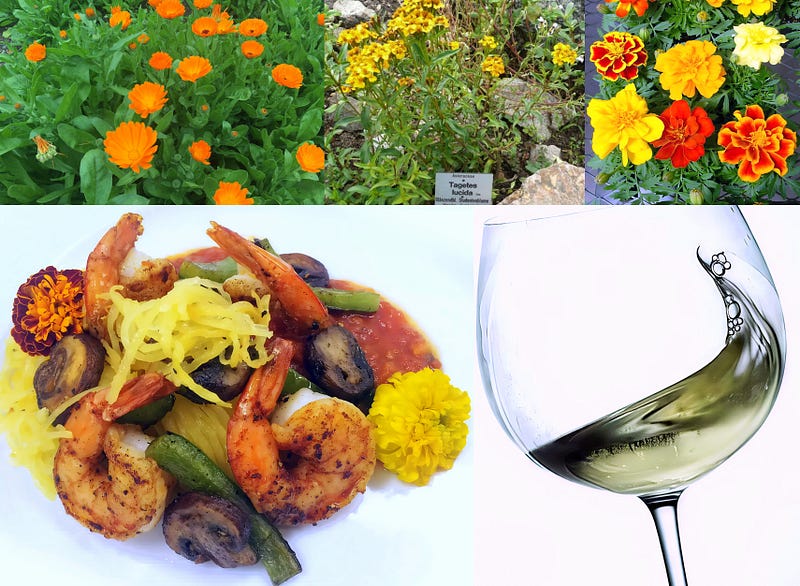
Marigolds, whether the golden Calendula officinalis or the fiery Tagetes species, have long stood as more than ornamental flowers. They are healers, protectors, culinary surprises, and cultural icons. Their journey winds from the medieval physic gardens of Europe to the vibrant markets of Mexico, weaving a story where botany meets tradition and sustainability.
Taxonomy
Calendula officinalis belongs to the Asteraceae family and is often called pot marigold, not to be confused with the unrelated Tagetes species, known as African or French marigolds. Calendula varieties include golden, orange, and pale yellow forms, with edible petals frequently used in cooking. Tagetes encompasses over fifty species, among them Tagetes erecta, Tagetes patula, and Tagetes tenuifolia, each cherished for ornamental, medicinal, and culinary qualities. Though both are called “marigold,” they stem from different genera, a taxonomic tangle that has long puzzled gardeners and herbalists alike.
Biology
Calendula officinalis grows as a hardy annual, reaching about 18–24 inches (45–60 cm) in height. Its daisy-like blooms open with the sunrise, closing at dusk, an adaptation thought to protect delicate pollen from moisture. Tagetes species vary, with Tagetes erecta towering up to 3 ft (about 91 cm), producing large pom-pom blossoms, while the petite Tagetes tenuifolia barely reaches 12 inches (30 cm) but dazzles with small, citrus-scented flowers. Both genera boast remarkable pest-repellent properties, releasing compounds into the soil and air that deter nematodes and insects, acting as natural guardians of the garden.
Ecology
Marigolds thrive in sunny habitats, favoring well-drained soils and climates ranging from temperate Europe to tropical Latin America. They are beloved companions in sustainable agriculture. Calendula provides nectar for pollinators, including bees and hoverflies, while Tagetes species are often interplanted with crops to reduce pest pressure naturally. Their ecological role is both defensive and generative, embodying the principle that biodiversity strengthens resilience. Conservation concerns are minimal given their widespread cultivation, but the preservation of wild Tagetes species in Mexico remains a priority, given their cultural significance.
Uses
Calendula officinalis has a venerable history in medicine. Its petals have been used for wound healing, anti-inflammatory ointments, and teas. In the Middle Ages, it was known as “poor man’s saffron,” coloring soups and stews. Today, calendula oil is a staple in skincare, celebrated for soothing sensitive skin. Tagetes species, meanwhile, hold immense economic value in agriculture and floristry. Essential oils from Tagetes minuta are used in perfumery and insect repellents, while the flowers are a staple of religious ceremonies, especially Día de los Muertos in Mexico, where they guide spirits with their brilliant orange hue.
Culinary Aspects
Calendula petals offer a slightly peppery, saffron-like flavor, lending brightness to rice dishes, breads, and salads. A handful of fresh petals, perhaps 0.75 oz (about 21 g), can transform a simple soup into a dish of golden radiance. Dried calendula maintains its color and subtle taste, often infused in broths. Tagetes tenuifolia, or signet marigold, is prized for its citrusy, tarragon-like leaves and edible flowers. In Mexico, marigold petals are sometimes mixed into sauces or used to color drinks, their earthy sharpness balancing richer flavors. Both species carry nutritional benefits, being rich in antioxidants such as lutein and beta-carotene, supporting eye health and immunity.
Wine Pairings
Pairing marigolds with wine requires attention to their flavor notes. Calendula’s peppery, saffron-like edge marries beautifully with a dry white such as Sauvignon Blanc, whose crisp acidity balances the floral warmth. A 750 mL (about 25.4 oz) bottle serves well alongside a calendula-infused risotto. Tagetes’ citrusy brightness harmonizes with a young Riesling, its slight sweetness taming the herbal bite. For heartier dishes seasoned with marigold petals, a light Pinot Noir provides an earthy counterpoint, the delicate tannins enhancing the complexity of the meal.
Conclusion
Marigolds are not simply garden flowers. They are healers, guardians, and celebrants of culture, bridging continents and traditions. From a 6 ft (1.83 m) garden hedge of blazing Tagetes erecta to a humble 2.5 cm calendula bloom in a kitchen salad, they remind us that beauty, utility, and sustainability need not be separate realms. In their petals lies a quiet philosophy: that the smallest acts of cultivation — planting, harvesting, cooking — can sustain ecosystems, nourish bodies, and honor the passage of life.