Golden Ghost of the North Sea: The Remarkable Story of the Dab
The tide whispers stories older than any mariner, carrying with it the quiet legends of a flatfish so often overlooked that it has become…
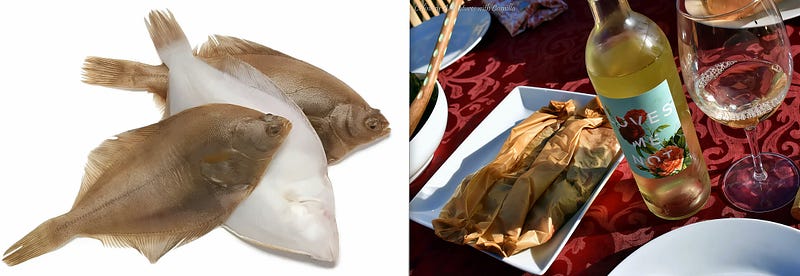
The tide whispers stories older than any mariner, carrying with it the quiet legends of a flatfish so often overlooked that it has become the secret jewel of northern waters. Meet the dab, Limanda limanda, a species that hides in plain sight beneath pale sand and shifting currents. To some, it is humble fare; to others, it is a treasure waiting to be rediscovered. In an age of overfishing and climate anxiety, this modest flatfish might just be the sustainable hero we need on our plates and in our hearts.
Taxonomy and Identity
The dab belongs to the genus Limanda, within the family Pleuronectidae, a group of right-eyed flatfish that includes flounders and plaice. Its scientific name is Limanda limanda, but fishermen from Yorkshire to the fjords of Norway know it simply as dab. Unlike some marine species with subspecies or regional variants, dab’s uniformity is part of its charm; the species is consistent from the North Sea to the western Baltic, although local names abound. On the docks of Whitby, it might be called a sand dab, while in Danish markets it is simply “rødspætter,” spoken with affection.
Biology of a Quiet Marvel
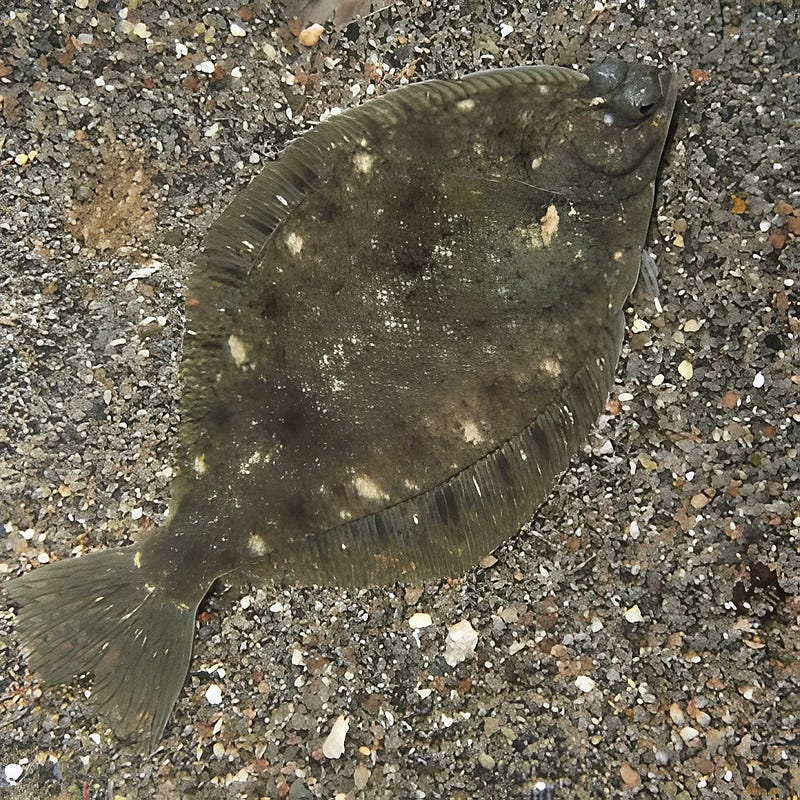
The dab’s body is an exquisite lesson in evolutionary ingenuity. It begins life upright like most fish, eyes on either side, swimming freely through the plankton-filled nursery waters. Within weeks, one eye migrates across the skull until both settle on the right side, creating a master of camouflage lying flat on sandy seabeds. An average adult measures thirty to forty centimeters long, roughly twelve to sixteen inches, though larger specimens have been recorded near fifty centimeters, or about twenty inches. Their skin is pale olive with orange flecks, and when touched, it carries the faint rasp of fine scales, like sandpaper worn smooth by years of tide and time.
They reach maturity in just two to four years, spawning in late winter when waters still hover around four to seven degrees Celsius, or about thirty-nine to forty-five degrees Fahrenheit. A single female may release up to half a million eggs, a testament to their resilience and an echo of nature’s abundant design.
Ecology and the Dance of Sustainability
Dabs favor the sandy or muddy bottoms of the North Sea, Irish Sea, and western Baltic, thriving in depths ranging from twenty meters to one hundred meters, or about sixty-six to three hundred thirty feet. They are opportunistic feeders, sifting through silt for worms, small crustaceans, and mollusks. In turn, they sustain a host of predators — larger fish, seals, and seabirds.
From a sustainability standpoint, dab populations remain comparatively robust, though trawling practices and habitat disruption pose ongoing threats. Conservationists praise dab as an underutilized species, a delicious alternative that can ease pressure off overfished favorites like cod and haddock. When caught through selective, low-impact methods, dab becomes a living symbol of balance between ocean ecology and human appetite.
Economic Relevance and Market Appeal
In many European ports, dab has long been considered the poor man’s sole, often fetching modest prices in wholesale markets. Yet in recent years, as chefs and consumers seek affordable, sustainable seafood, dab is enjoying a renaissance. London fishmongers now highlight it as a seasonal specialty, and Scandinavian restaurants have turned its mild flesh into culinary poetry. A dab fillet typically weighs around 150 grams, about five ounces, making it ideal for individual servings without waste.

Culinary Aspects and Sensory Delight
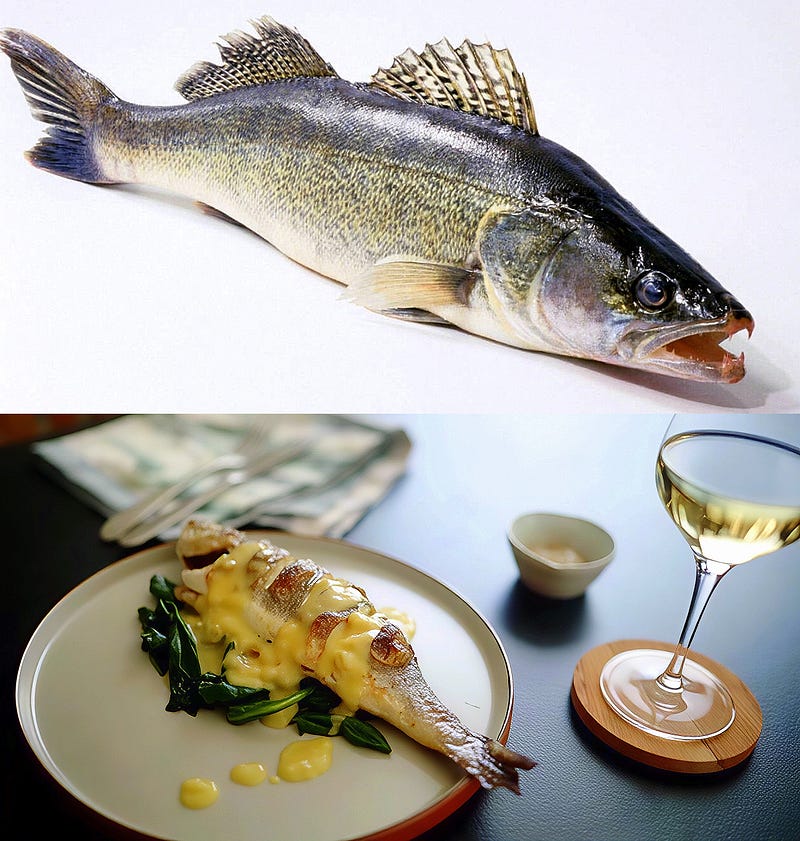
When cooked, dab offers a sweet, delicate flavor and a fine flake that rivals pricier flatfish. Pan-frying in a light dusting of flour and butter allows its natural juices to mingle with nutty aromas, while baking with herbs like dill or tarragon brings out subtle oceanic notes. In coastal France, dab is often poached gently in white wine and served with a beurre blanc, the tender flesh absorbing every drop of the buttery sauce. Nutritionally, dab is high in lean protein and provides omega‑3 fatty acids essential for heart health, alongside vitamins like B12 and selenium.
Wine Pairings Worthy of the Catch
A plate of pan‑fried dab, kissed with lemon and capers, sings alongside a crisp Chablis, its minerality echoing the fish’s maritime origins. For those who favor New World wines, a lightly oaked California Chardonnay offers a creamy counterpoint, while a dry German Riesling brings acidity that cuts through the butter and uplifts the delicate meat. Each pairing is less about indulgence and more about celebrating the subtlety of a fish that deserves the spotlight.
Conclusion: A Call to Taste and Protect
The story of the dab is the story of rediscovery — of looking again at what has always been there, hidden in the sand and shadow. It is a reminder that sustainability does not require sacrifice; sometimes, it simply requires imagination and respect. Next time you stand before the seafood counter or a menu rich with choice, consider the golden ghost of the North Sea. Taste it, cherish it, and in doing so, help write a future where the humble dab continues to glide silently through its timeless dance beneath the waves.