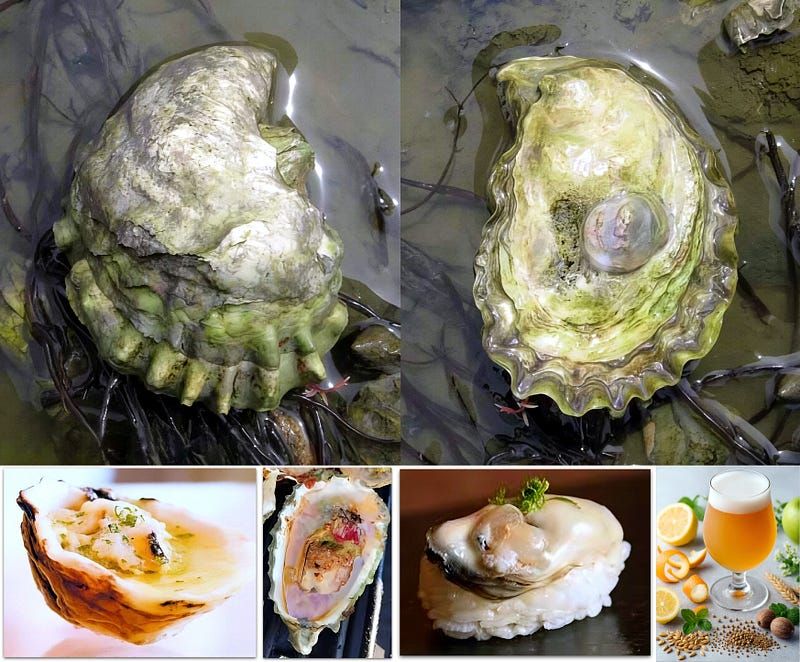
Herbes de Provence: The Wild Soul of Southern France in a Jar
Introduction
Introduction
There is a moment in cooking when the air itself changes — the kitchen fills with a sharp, resinous perfume, and suddenly you are not in your apartment but on a hillside in Provence. This magic comes from herbes de Provence (pronounced: AIRB duh pro-VAHNS), the fragrant blend that has become synonymous with rustic French cooking. What began as a collection of wild plants gathered from Mediterranean hillsides has evolved into a global staple, bottled and shipped worldwide. Yet beneath its familiar charm lies a fascinating story of botany, ecology, commerce, and culinary identity.
Taxonomy
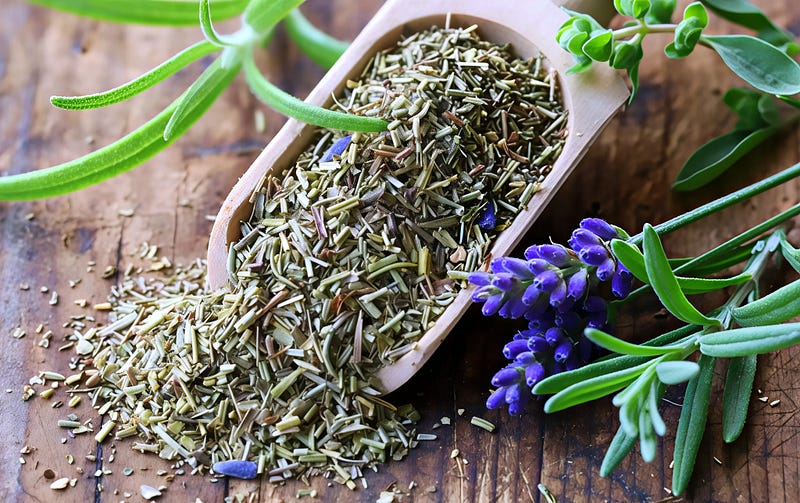
Herbes de Provence is not a single plant but a mixture of several species, most commonly including rosemary (Salvia rosmarinus), thyme (Thymus vulgaris), oregano (Origanum vulgare), savory (Satureja hortensis or Satureja montana), and marjoram (Origanum majorana). Lavender (Lavandula angustifolia) is often added in commercial blends, though traditional French cooks debate its place at the table. Each herb belongs to the mint family, Lamiaceae, a botanical dynasty known for its aromatic oils. The blend is less a recipe than a tradition, with proportions and components shifting according to village, household, or brand.
Biology
These plants share certain Mediterranean survival strategies: small, leathery leaves to reduce water loss, thick stems that endure blazing summers, and volatile oils that deter grazing animals while delighting human palates. Thyme grows as a hardy shrub, spreading low to the ground. Rosemary can reach 5 ft (1.5 m) in height, its needle-like leaves exuding pine and citrus notes. Summer savory, a delicate annual reaching 12 in (30 cm), lives a brief but pungent life, while oregano sprawls as a perennial mat, thriving in rocky soils. Lavender, with its violet flowers and essential oils, adds not just scent but a touch of visual poetry to the mix.
Ecology
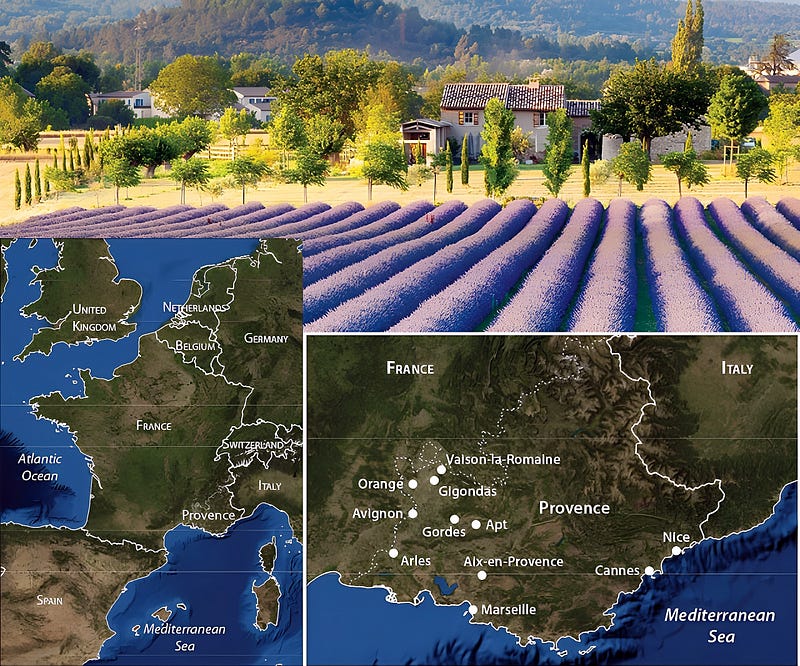
Native to the Mediterranean basin, these herbs are survival specialists, adapted to chalky soils, high sun exposure, and minimal rainfall — conditions that make them invaluable for sustainable agriculture. They demand little irrigation, thrive without heavy fertilizers, and support pollinators like bees and butterflies. In a world of water-intensive crops, Herbes de Provence represent a model of resilience. Yet climate change threatens even these hardy plants, as rising heat and erratic rainfall shift their natural ranges. Sustainable harvesting and small-scale cultivation are becoming central to ensuring their future.
Uses
Herbes de Provence has grown beyond the French kitchen into an international export. In Provence itself, bundles of fresh herbs are sold in markets, tied with twine like miniature bouquets. Elsewhere, blends are packaged into tins and glass jars, their ratios fixed for mass production. Economically, the spice trade for these herbs contributes significantly to regional identity and rural livelihoods, particularly in southern France. Sustainably sourced blends command higher prices, catering to consumers who want authenticity along with ecological responsibility.
Culinary Aspects
The taste of Herbes de Provence is complex: thyme brings earth and lemon; rosemary offers pine and camphor; savory contributes peppery heat; oregano layers in a sweet, grassy bitterness; marjoram softens with floral notes; and lavender, when included, lends a heady, almost perfumed edge. On the tongue, the blend creates a warm, resinous mouthfeel, with balance shifting according to proportions. Its aftertaste lingers like the memory of dry summer air.
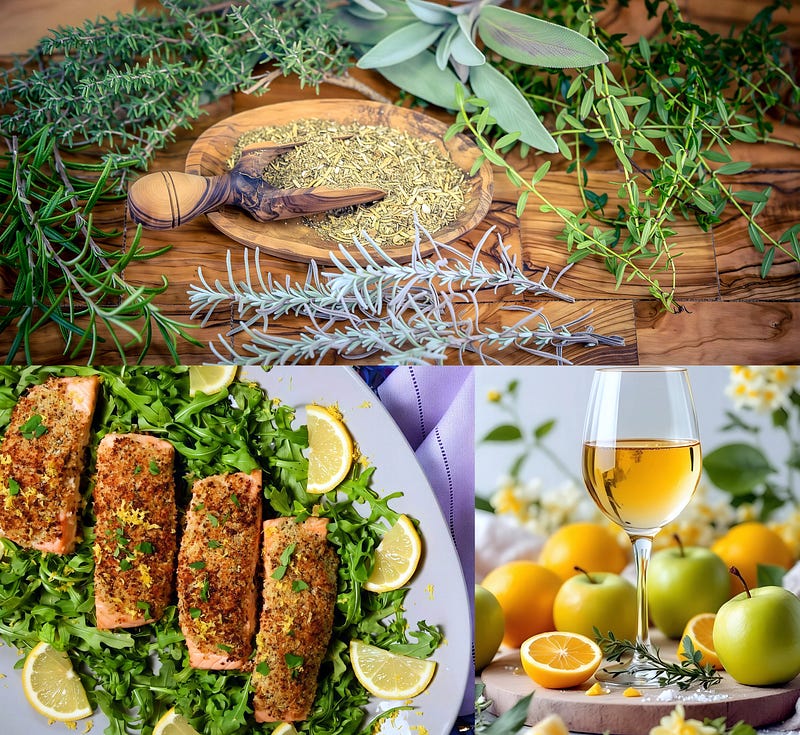
In cooking, it is rubbed onto grilled meats, scattered over roasted vegetables, or steeped in olive oil. A chicken rubbed with 0.75 oz (21 g) of the mixture before roasting transforms into something greater than the sum of its parts. Potatoes drizzled with 3.5 L (1 gallon) of olive oil and sprinkled with a spoonful of the blend evoke fields baked by the sun. Even simple fish grilled at 85°F (29°C) over coals takes on depth and complexity when dusted with these herbs. Nutritionally, the antioxidant properties of rosemary and thyme, the antimicrobial oils in oregano, and the digestive benefits of savory elevate the blend beyond mere seasoning.
Wine Pairings
Wines that pair with Herbes de Provence need to echo its rugged elegance. A Bandol rosé, with its dry minerality and notes of strawberry and herbs, is a natural partner, marrying the sun-drenched origins of both wine and seasoning. Côtes du Rhône reds, often blends of Grenache, Syrah, and Mourvèdre, mirror the complexity of the herbs with their spicy undertones. For seafood dishes laced with the blend, a crisp white like a Picpoul de Pinet brings out citrus brightness while tempering herbal intensity.
Conclusion
Herbes de Provence is more than a seasoning; it is a story bottled in a jar, a fragment of landscape carried across continents. To sprinkle it into a dish is to engage with centuries of tradition, ecological adaptation, and cultural exchange. As global food systems strain under the weight of climate change, this humble mixture of hardy plants reminds us of a truth too often forgotten: the most resilient flavors come from the most resilient ecosystems. Cooking with Herbes de Provence is not just about taste, but about sustaining the wild soul of Provence itself.