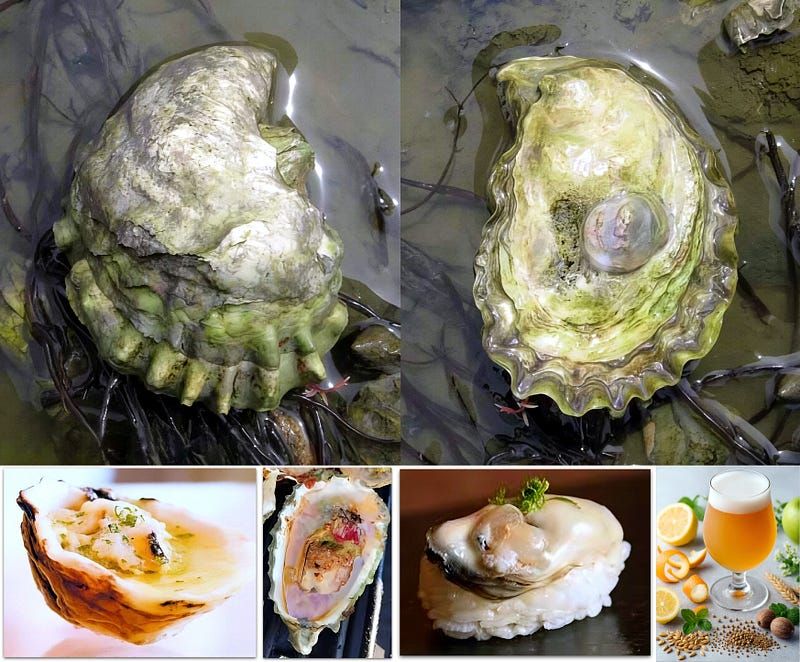
Kawakawa: The Heart-Shaped Healer of New Zealand’s Forests
Introduction In the lush understory of New Zealand’s coastal and lowland forests, a shrub with heart-shaped leaves has carried centuries of…
Introduction
In the lush understory of New Zealand’s coastal and lowland forests, a shrub with heart-shaped leaves has carried centuries of cultural, medicinal, and culinary significance. Kawakawa (Piper excelsum) is more than a botanical curiosity — it is a cornerstone of Māori traditional knowledge and a plant increasingly recognized in global gastronomy and wellness industries. Its pungent, peppery bite, paired with remarkable bioactive compounds, makes it a species where ecology, culture, and cuisine intersect.
Taxonomy
Kawakawa belongs to the family Piperaceae, the same lineage that includes black pepper (Piper nigrum) and the Pacific kava (Piper methysticum). Its scientific name, Piper excelsum, reflects its stature as one of the larger shrubs within the genus. Two notable subspecies are recognized: Piper excelsum subsp. excelsum, common across New Zealand’s North and South Islands, and Piper excelsum subsp. psittacorum, extending into the subtropical Pacific Islands. Its Māori name, kawakawa, distinguishes it locally, though it is sometimes referred to as New Zealand pepper tree.

Biology
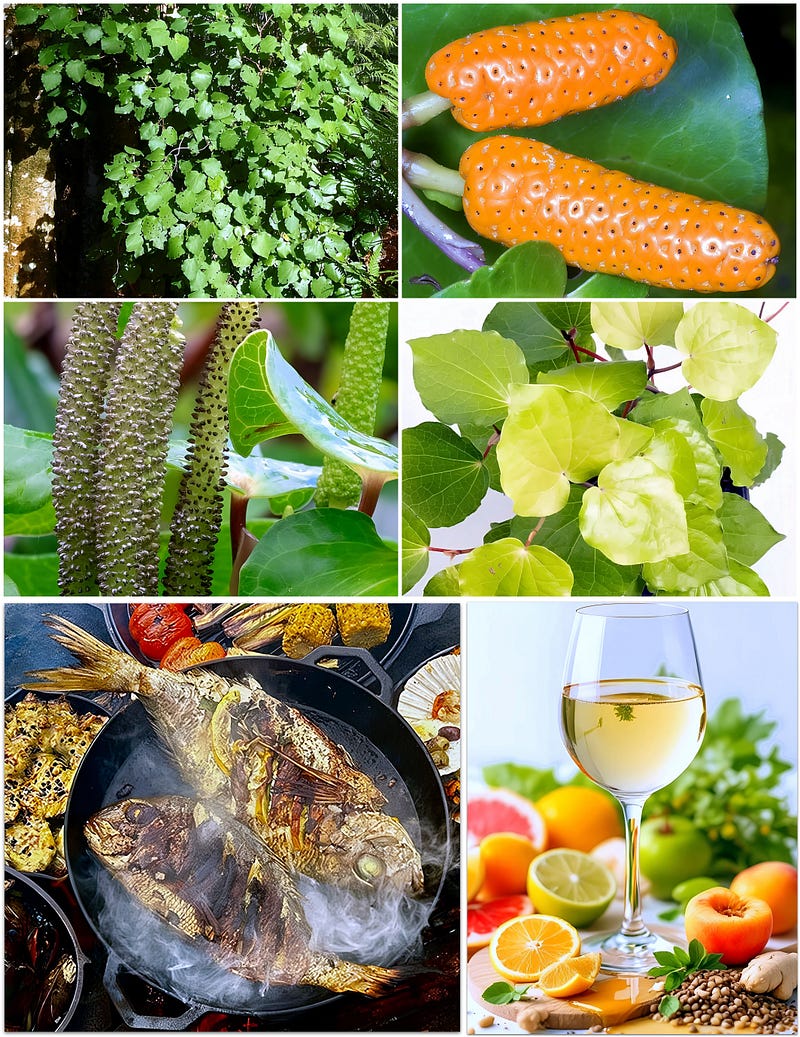
Kawakawa grows as a small tree or large shrub, often reaching 13 ft (4 m). Its leaves are ovate and typically 2.5–6 in (6–15 cm) long, marked by their distinctive heart shape and sometimes decorated with natural perforations from the native looper moth caterpillar. These “holes” are traditionally interpreted as a sign of medicinal potency. The plant produces yellow-green spikes of tiny flowers, followed by clusters of bright orange fruit that appear in summer. As a dioecious species, male and female flowers grow on separate plants, relying on wind for pollination.
Ecology
This species thrives in coastal margins, lowland forests, and shaded gullies, preferring moist, fertile soil. Kawakawa plays an important role in forest succession, stabilizing soil and creating canopy layers for understory development. The leaves provide a food source for endemic insects, and the fruit attracts birds such as kererū, which disperse its seeds. Conservation concerns are relatively minor at present, but sustainable harvesting practices are essential to prevent local depletion, particularly as interest in commercial kawakawa products expands.
Uses
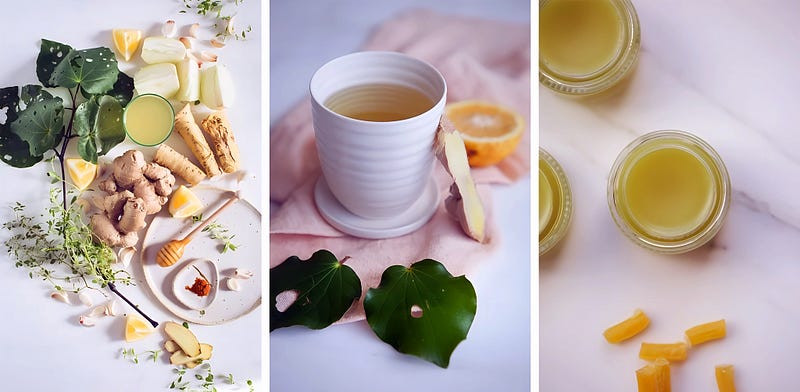
For Māori communities, kawakawa has long been a taonga (treasured) plant. Its leaves are infused for rongoā (traditional medicine), treating ailments ranging from digestive discomfort to toothaches and skin infections. Today, kawakawa is also harvested commercially for teas, oils, balms, and nutraceuticals. Demand is rising in both New Zealand and international markets, with sustainability standards becoming increasingly important. Careful cultivation, rotational harvesting, and respect for cultural protocols are vital for maintaining both biodiversity and indigenous rights.
Culinary Aspects
The culinary appeal of kawakawa rests in its distinctive peppery flavor, which combines resinous heat with herbal freshness. The taste profile is sharp at first bite, mellowing into a lingering warmth on the palate. Aroma is earthy with hints of clove and eucalyptus. The mouthfeel is slightly numbing, a chemesthetic effect caused by active compounds like myristicin and elemicin, echoing the sensation of Sichuan pepper. Texture when cooked is tender yet robust enough to hold flavor in infusions or as a wrapping leaf.
In balance, kawakawa contributes both intensity and complexity. It finishes with a cooling bitterness and light citrusy undertone, making it versatile in savory dishes, teas, and even desserts. Traditionally, leaves were chewed fresh or brewed into teas. Contemporary chefs incorporate kawakawa into sauces, marinades, chocolate, and gin. Nutritionally, the leaves contain antioxidants, essential oils, and compounds with anti-inflammatory properties, underscoring their dual role as food and medicine.
Wine Pairings
Pairing kawakawa requires attention to its peppery bite and herbal complexity. With grilled lamb seasoned in kawakawa, a Syrah from Hawke’s Bay aligns beautifully, its black pepper and dark fruit mirroring the spice. For kawakawa-infused seafood, such as steamed mussels wrapped in leaves, a Grüner Veltliner from Austria complements with its white pepper notes and bright acidity. Kawakawa desserts, such as dark chocolate truffles, pair well with a fortified Banyuls from southern France, its rich cocoa and dried fruit tones amplifying the herbal resinous finish. In lighter infusions, such as kawakawa tea served alongside citrus-based pastries, an off-dry Riesling from Mosel provides a balancing sweetness and aromatic lift. Each wine respects the plant’s intensity while drawing out different aspects of its sensory spectrum.
Conclusion
Kawakawa exemplifies how plants bridge ecosystems, traditions, and contemporary markets. From its role as a healer in Māori culture to its emergence as a global culinary ingredient, it reminds us that biodiversity holds stories and flavors waiting to be discovered. Its future depends on sustainable cultivation and respect for indigenous stewardship, ensuring that the heart-shaped leaf continues to pulse through forests and kitchens alike.