Lemon Balm: The Gentle Green Alchemist of Gardens and Kitchens
Introduction In a world that leans toward the bold and brazen, lemon balm whispers. With leaves that release the scent of crushed sunshine…
Introduction
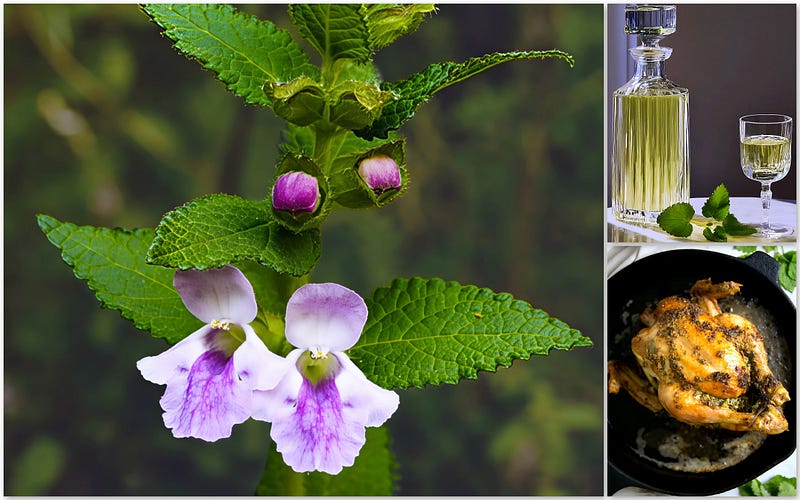
In a world that leans toward the bold and brazen, lemon balm whispers. With leaves that release the scent of crushed sunshine and a lineage traced back to ancient herbal scrolls and medieval monastery gardens, Melissa officinalis — known as lemon balm — has enchanted apothecaries, cooks, and gardeners for over two thousand years. This member of the mint family has long been celebrated not just for its calming properties, but also for its subtle citrus flavor, bee-loving flowers, and gentle resilience. As we look for sustainable, sensory-rich additions to our diets and gardens, lemon balm offers more than a passing pleasure; it gives us a lesson in longevity, in the quiet strength of the perennial.
Taxonomy
Lemon balm belongs to the family Lamiaceae, the sprawling mint clan that includes basil, thyme, oregano, and lavender. Its scientific name, Melissa officinalis, signals both its genus (Melissa, from the Greek word for “honeybee”) and its historical use in medicine (officinalis, indicating official recognition in pharmacopeias). Despite its name, lemon balm contains no citrus lineage — its bright, lemony aroma comes from volatile compounds such as citronellal and geranial. There are a few cultivated varieties like ‘Lime’, which leans toward a more delicate citrus profile, and ‘Quedlinburger Niederliegende’, prized for higher essential oil content and compact growth. All share edible qualities, though some are favored for teas while others are for culinary garnishes or aromatherapy extraction.
Biology
A perennial herb, lemon balm grows in soft mounds reaching 2 to 3 ft in height (approximately 61 to 91 cm), spreading readily through underground rhizomes and self-seeding. The leaves are lightly serrated, oval, and often mistaken for mint until rubbed — then the bright lemon scent clarifies its identity. Its tiny white to pale yellow flowers appear in mid to late summer, drawing bees with a devotion unmatched by most other garden herbs. Lemon balm thrives in temperate climates, tolerating temperatures down to 5°F (−15°C) and requiring only partial sun and moderately fertile soil to flourish. One of its key adaptive advantages lies in its ability to regenerate rapidly after harvesting, making it ideal for repeated cuts throughout the growing season.
Ecology
Lemon balm serves as a keystone herb in pollinator gardens, especially for honeybees, who are drawn to it so fervently that ancient Greek beekeepers used it to scent hives and attract swarms. Native to the eastern Mediterranean and West Asia, it has naturalized throughout Europe and North America, particularly thriving in USDA zones 4 to 9. Though not invasive in the most destructive sense, its tenacity demands control through harvesting or root division. Its ecological value extends to companion planting as well — its aromatic foliage may deter aphids and other pests when interplanted with brassicas or tomatoes. In permaculture design, lemon balm is often found in guilds centered around fruit trees, where it suppresses weeds and improves insect balance naturally.

Uses
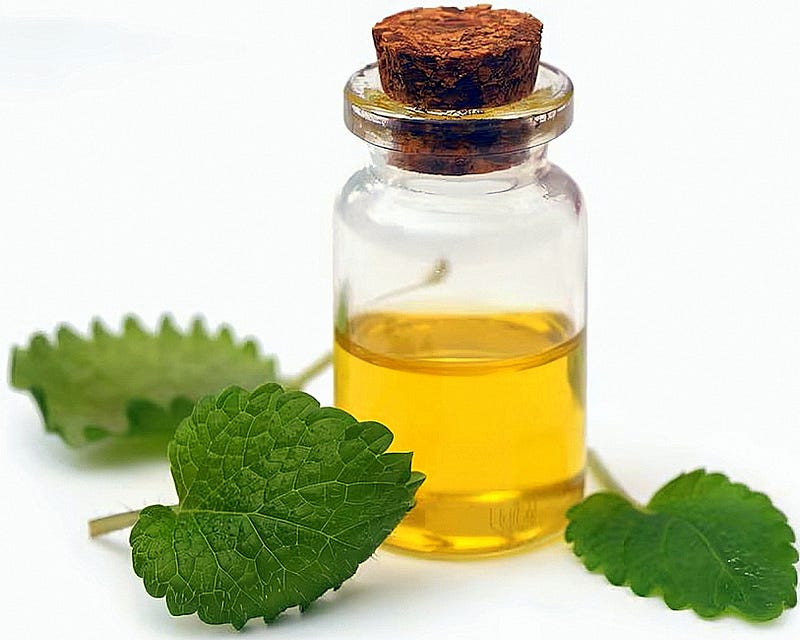
Economically, lemon balm holds a respected seat in the herbal products industry. Its dried leaves and essential oils are used in teas, tinctures, skin balms, and sleep aids, with an estimated global market value of over $150 million annually. Lemon balm extract is increasingly included in natural skincare for its anti-inflammatory and antioxidant qualities. Its sustainability score is high: the plant demands minimal irrigation, rebounds from harvests quickly, and grows well in containers, community gardens, and vertical farms. For small-scale herbalists and growers, it provides a high-yield crop with a short return cycle, making it a practical addition to regenerative agriculture systems.
Culinary Aspects
Mild, citrusy, and minty all at once, lemon balm is a nuanced culinary herb best used fresh to preserve its essential oils. Its flavor harmonizes with fruit, cream, white fish, and poultry, as well as herbal infusions. It lifts a fruit salad from mundane to poetic. Finely chopped, it can be folded into whipped butter for pairing with scones or baked into lemon balm shortbread, where its subtle citrus threads shimmer against sugar. Infused into 8 oz (237 mL) of boiling water, the leaves create a calming tea reputed to soothe anxiety and digestive complaints. A chilled lemon balm simple syrup (equal parts sugar and water infused with 0.75 oz or 21 g of fresh leaves) complements gin, vodka, or a dry sparkling wine.
Wine Pairings
When used in savory dishes — such as with grilled chicken, seared scallops, or herbed rice — lemon balm aligns beautifully with wines that mirror its freshness. A crisp Sauvignon Blanc, particularly those from the Loire Valley, enhances its lemony notes without overpowering them. Dry Rieslings from Germany or Austria also complement lemon balm in dishes with apple or pear accents, their high acidity slicing through the herb’s natural sweetness. For desserts, especially those involving honey, almond, or citrus, try a Moscato d’Asti at around 8.5% ABV. Its gentle effervescence and low alcohol provide a light counterpoint that lets lemon balm shine.
Conclusion
Lemon balm is a quiet revelation — gentle in scent, undemanding in care, yet rich in value across culinary, ecological, and medicinal landscapes. It teaches us that resilience can be soft, that flavor doesn’t always have to shout, and that sustainability sometimes arrives in leafy green form. Whether you plant it for the bees, brew it for your nerves, or steep it into a pot of poetry, Melissa officinalis earns its place in the modern garden and pantry alike. In an era hungry for wellness and wary of waste, lemon balm offers a gentle, fragrant remedy.