Pearls Without the Gem: The Timeless Allure of the Venus Shell
Introduction Long before humanity learned to adorn itself with polished stones or thread beads onto twine, the sea offered treasures…
Introduction
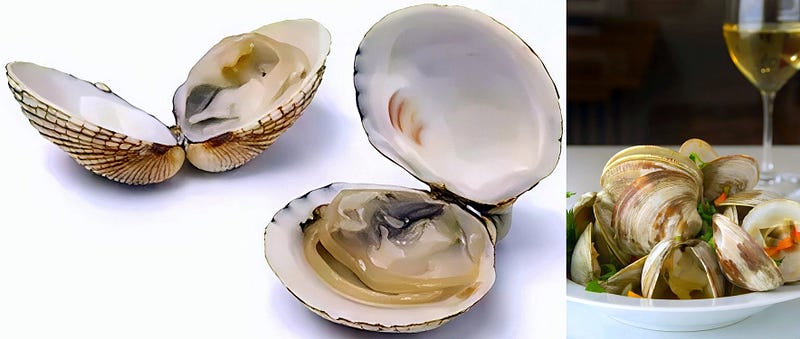
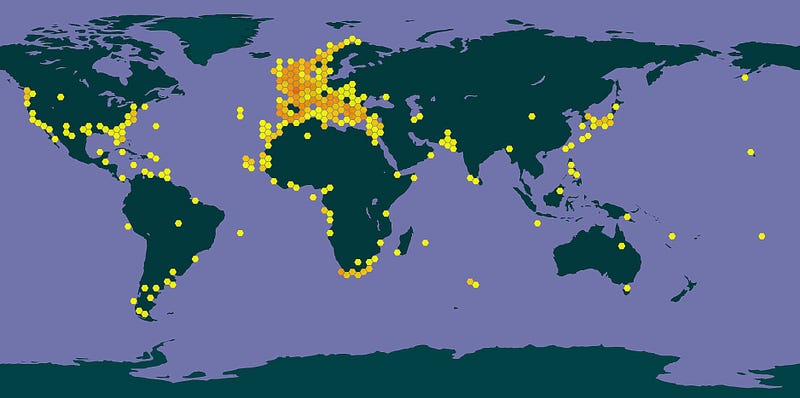
Long before humanity learned to adorn itself with polished stones or thread beads onto twine, the sea offered treasures already sculpted to perfection. Among these, the Venus shells — members of the genus Venus — stand as symbols of symmetry, elegance, and sustenance. Found along temperate and tropical coastlines, their concentric ridges and opaline sheen have inspired art, commerce, and cuisine for centuries. Yet beyond their beauty lies a story of survival, adaptation, and a delicate balance between human appetite and marine sustainability.
Taxonomy
The Venus shells belong to the family Veneridae, a diverse lineage of bivalve mollusks numbering hundreds of species. Common names vary from “Venus clams” to “heart clams,” with regional variations such as Venus verrucosa in Europe or Venus mercenaria — better known in North America as the hard clam or quahog. Some edible forms are closely related genera, but the true Venus species retain a distinctive, nearly circular shell shape and fine sculpturing. This taxonomic precision matters not just for biology but for fisheries, where mislabeling can obscure sustainable sourcing.
Biology
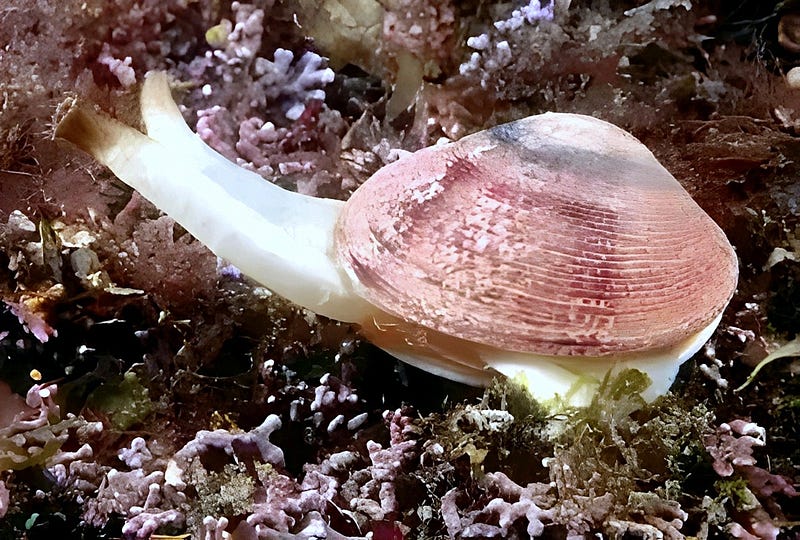
Venus shells are master engineers of the sandy seabed. Their robust, hinged shells protect soft bodies from predation, while a muscular foot allows them to burrow quickly into sediment. They are filter feeders, drawing seawater through siphons to extract microscopic plankton. Growth rates vary by species, but many reach marketable size within 3–5 years, with shells spanning 5–7.5 cm (about 2–3 in). Longevity is tied to water temperature and food availability, with some living over a decade in stable environments. Their reproductive cycle, often synchronized with seasonal temperature changes, ensures the renewal of populations — provided environmental pressures remain in check.
Ecology
Venus shells are keystones of benthic ecosystems. Their burrowing aerates sediments, influencing nutrient cycling and providing microhabitats for small crustaceans and worms. They thrive in sandy or muddy substrates from shallow intertidal zones to depths exceeding 20 m (about 66 ft). However, they are sensitive to habitat degradation, overharvesting, and pollution, particularly from excess nutrients and heavy metals. Well-managed fisheries employ size limits, closed seasons, and rotational harvesting to prevent depletion. In regions with aquaculture potential, hatchery-reared juveniles are used to bolster wild stocks without depleting natural recruitment.
Uses
For centuries, Venus shells have been more than food. Archaeological finds reveal their use as currency, decorative ornaments, and trade goods. In today’s markets, they are sold fresh, frozen, or canned, with wholesale prices fluctuating based on species rarity and harvest yields. Beyond culinary value, their shells — once discarded as waste — are now repurposed as poultry grit, garden soil conditioners, or even in artisanal crafts. Sustainable exploitation hinges on balancing market demand with ecological stewardship, an equilibrium threatened when harvesting shifts from traditional coastal communities to large-scale industrial fleets.
Culinary Aspects
In the kitchen, Venus shells offer a delicate sweetness and briny aroma, reminiscent of clean ocean surf. Their flesh is tender yet resilient, making them suitable for steaming, baking, or inclusion in soups and pasta dishes. Mediterranean cuisine often features Venus verrucosa in white wine and garlic broths, while Asian preparations may highlight them in ginger-scented stir-fries. Nutritionally, they are a lean source of protein, rich in omega-3 fatty acids, iron, and vitamin B12. A typical 100 g (3.5 oz) serving provides under 90 kcal, making them both indulgent and health-conscious.
Wine Pairings
The Venus shell’s subtle sweetness and saline lift invite wines with crisp acidity and mineral depth. A Chablis, with its chalky elegance, mirrors the shell’s marine origins, while an Albariño’s citrus and stone fruit notes brighten the brininess. In warmer climates, a Vermentino offers herbal complexity that harmonizes with garlic and herb-based clam dishes. For a sparkling twist, brut Champagne enhances the shellfish’s succulence while cleansing the palate between bites.
Conclusion
The Venus shell is more than a coastal delicacy; it is a living embodiment of the sea’s artistry and an ecological partner in the marine web of life. Its story is one of elegance and endurance, but also fragility. As with all ocean harvests, the true measure of our appreciation lies not only in how we savor them but in how we ensure their survival for generations to come. In their quiet symmetry, Venus shells remind us that nature’s most perfect forms are also its most vulnerable.