The Philosophy of Humor of Cheech & Chong
Cheech Marin and Tommy Chong crafted a unique philosophy of humor rooted deeply in counterculture experience and absurdism. They explicitly…
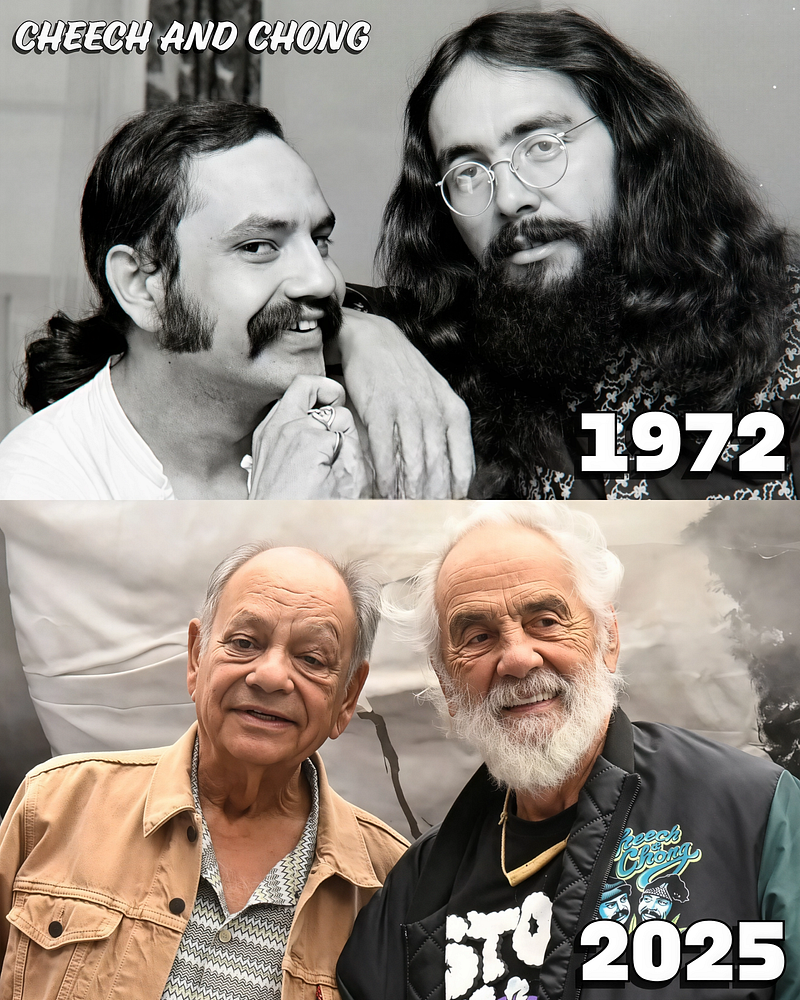
Cheech Marin and Tommy Chong crafted a unique philosophy of humor rooted deeply in counterculture experience and absurdism. They explicitly rejected didactic comedy, viewing laughter as a pure, physiological escape rather than a vehicle for moral instruction. As Cheech Marin put it, “If I wanted to be serious, I’d hang out a shingle reading, EUGENE O’NEILL. There are just times when you need a laugh.” This stood in stark contrast to comedians like Lenny Bruce, whose later, more serious work they found humorless. Their comedy sprang from the street, not intellectual abstraction. Tommy Chong described their approach as having “clear vision when you’re down there” in everyday struggles, consciously avoiding complex “philosophical ins and outs.” This grounded their wildest absurdity in the tangible realities of dodging police, scraping together rent, or simply trying to score weed. Their genius lay in framing marijuana use as mundane, even relatable, directly challenging the prevailing narratives of Nixon’s “War on Drugs.” The iconic “Dave’s Not Here” sketch perfectly captured this philosophy, turning real paranoia into escalating, universal farce.
Their films, especially Up in Smoke, pioneered a distinct “stoner hero’s journey,” twisting Joseph Campbell’s monomyth through a cannabis haze. Protagonists began their quests already altered, like Chong hitchhiking while high in the opening scene. Simple goals — finding weed, forming a band — forced their naturally idle characters into reluctant action. Marin succinctly defined their narrative engine: “The story line is: ‘Two guys meet, want to form a band, but first they need to get high, so they have to find a joint.’ Therein lies your plot.” Authority figures, particularly inept police like Sergeant Stedenko (played with perfect deadpan by Stacy Keach), served as the antagonistic force embodying societal pressure and paranoia. Crucially, their heroes achieved enlightenment not through grand transformation, but by simply returning to idleness, like lighting up on the couch at journey’s end. This circular resolution became a blueprint for future stoner comedies.
Their comedic power stemmed from a fundamental duality. Cheech embodied the hyperverbal, streetwise Chicano hustler with materialist ambitions, while Chong personified the laconic, Zen-like slacker delivering detached absurdist truths. This dynamic — the Chicano Mexican-American paired with the Chinese-Scottish Canadian — allowed them to explore cultural friction while presenting a united front against authority. Their characters felt authentic, honed through years of improvisation in Vancouver clubs, performed between topless acts before mainstream success.
Beyond the laughs, their work served as sharp, often masked, social documentation. Marin’s own experience with draft evasion fueled an anti-establishment stance, with characters like Strawberry (the PTSD veteran in Up in Smoke) offering dark commentary disguised as farce. Marin infused sketches like “Mexican Americans” from Next Movie with authentic Chicano barrio experiences, satirizing assimilation pressures while celebrating cultural pride. Unlike later stoner comedies featuring affluent protagonists, they portrayed genuine underdogs surviving through hustles, reflecting their real early struggles collecting bottles for food money.
Their creative method itself embodied their chaotic philosophy. Films like Next Movie abandoned traditional plots for loose, episodic “hangout” structures mirroring stoner perception. Their directing process was famously anarchic and collaborative, with Marin later quipping about contested credits, “We both directed… It’s all about the old way of doing the money.” Their screenings became legendary communal events; Marin described the Up in Smoke Texas premiere as being “like a rock concert,” thick with haze and shared laughter.
Despite their massive influence, their legacy carries fascinating contradictions. Major cultural institutions often marginalized them as a “novelty,” while their taboo-driven humor ironically lost some edge as cannabis gained mainstream acceptance. Chong wryly claimed, “we’re totally responsible for legalization,” highlighting their unintended cultural impact. Post-split, their paths revealed the partnership’s unique alchemy: Marin pursued Chicano-themed projects like Born in East L.A., while Chong struggled outside the duo. Ultimately, Cheech & Chong’s greatest philosophical achievement was transforming rebellion into ritual, making transgressive acts feel like joyful communal celebrations. As Chong prophetically declared, “There’s a culture that a lot of people are trying to bury… We will keep it alive.” Through the lens of altered states, they revealed universal, enduring truths about desire, authority, and the simple, profound quest to just chill.