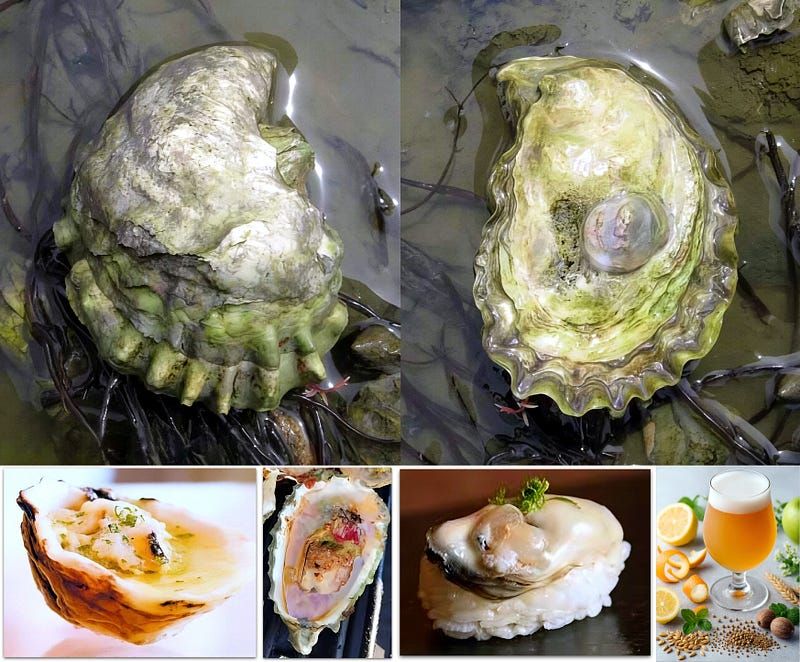
Ras el Hanout: The North African Spice Blend That Encapsulates a World of Flavor
Introduction
Introduction
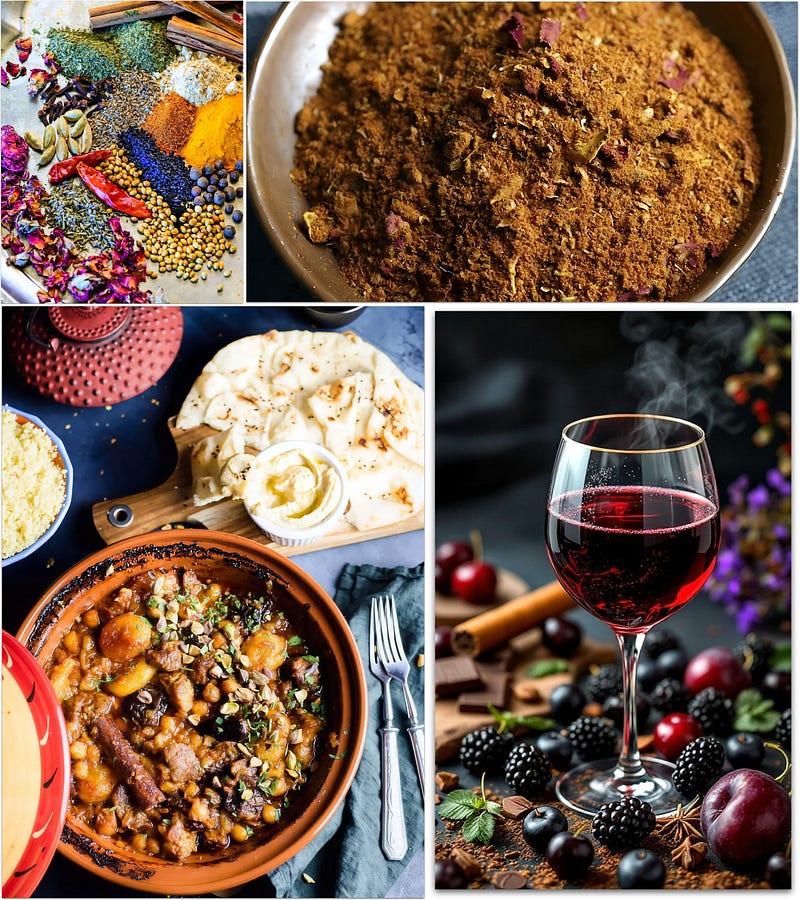
Among the world’s great culinary traditions, few spice blends carry the mystique, cultural depth, and sensory complexity of ras el hanout (pronounced: RAHS el hah-NOOT). Emerging from the souks of Morocco and extending across the Maghreb, this blend functions as both a signature of household identity and a commercial centerpiece of spice merchants. Unlike single-species ingredients, ras el hanout is a curated collection, a kind of edible taxonomy of North African trade, geography, and history. To understand it is to engage with an intersection of biology, cuisine, sustainability, and cultural craft.
Taxonomy
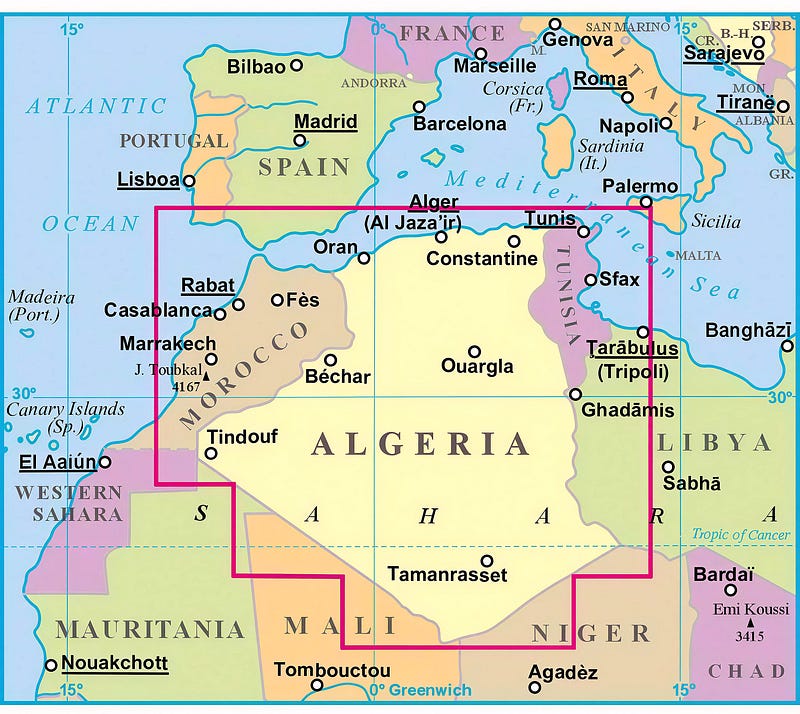
Ras el hanout does not belong to a single species but instead to a composite taxonomy of plants, seeds, roots, and flowers. Its very name in Arabic, “رأس الحانوت” (ras el ḥānūt), translates as “head of the shop,” signaling the merchant’s best stock. Commonly included species span multiple plant families: Cinnamomum verum (cinnamon), Piper nigrum (black pepper), Zingiber officinale (ginger), Coriandrum sativum (coriander), Curcuma longa (turmeric), and Nigella sativa (nigella). Regional blends may incorporate Rosa damascena (rose petals), Lavandula angustifolia (lavender), and Aframomum melegueta (grains of paradise). Vernacular names reflect cultural diversity: in Morocco, it is “ras el hanout” in Arabic and Darija; in Algeria, “رأس الحانوت” with subtle linguistic shifts in Kabyle Amazigh speech; in Tunisia, it is also known as “tabel w harissa” when blended with chili. No two blends are identical, yet all carry legitimacy within local culinary lineages.
Biology
The biological foundation of ras el hanout lies in the adaptability of its plant components. Each species included has evolved distinctive defense compounds — alkaloids, essential oils, phenolic acids — that humans transform into flavor. Cinnamon bark is rich in cinnamaldehyde; ginger rhizomes contain gingerol; turmeric rhizomes yield curcumin; coriander seeds offer linalool; black peppercorns carry piperine. Collectively, these compounds deliver antimicrobial protection to the blend, extending shelf life and enhancing digestibility. These plants have seasonal cycles, harvested from tropical, subtropical, and Mediterranean ecologies, then dried and milled for blending.
Ecology
Ecologically, ras el hanout is an anthology of ecosystems. Cinnamon comes from tropical rainforests in Sri Lanka; turmeric and ginger thrive in South and Southeast Asian monsoonal soils; coriander is native to the Mediterranean basin; pepper grows in humid equatorial forests. This global sourcing reflects centuries of trade routes — the Indian Ocean, Saharan caravans, and Mediterranean exchanges. Sustainability concerns today focus on preventing deforestation from cinnamon harvesting, reducing pesticide use in pepper cultivation, and ensuring fair-trade practices in spice-growing communities. Proper agroforestry regimes, crop rotation, and smallholder cooperative models are advancing ecological stability across supply chains.
Uses
Ras el hanout is primarily edible. It is composed of ground plant parts — bark, seeds, rhizomes, roots, leaves, and flowers. Preparation involves toasting individual spices, grinding, and blending in precise ratios. Typical dishes include Moroccan tagines, Tunisian couscous, and Algerian stews, where the blend imparts warmth, sweetness, and depth. Yield metrics vary by crop: black pepper yields average 2,500 kg per hectare (2,230 lb per acre), while coriander seed yields about 1,500 kg per hectare (1,340 lb per acre). Calorically, 100 g (3.5 oz) of ras el hanout approximates 280 kcal, though it is used in much smaller quantities. Nutritionally, it provides antioxidants, trace minerals, and volatile oils. Anti-nutrients are minimal, though excessive nutmeg or cassia cinnamon can pose toxicity risks due to myristicin and coumarin. Commercial products range from artisan blends in Moroccan markets to mass-produced tins in European supermarkets.
Medicinal traditions credit its ingredients with anti-inflammatory, digestive, and circulatory benefits, though evidence levels vary. Turmeric’s curcumin is the most scientifically supported, often delivered in capsule dosage forms. Contraindications exist for individuals on anticoagulant therapy or during pregnancy in the case of high nutmeg consumption. Regulatory status is generally safe for culinary use under food safety limits. Beyond human food, some components serve as livestock feed flavor enhancers, though not on a commercial scale. Cosmetic applications exist as well, with rose-infused blends marketed for skincare scrubs due to aromatic and antimicrobial properties.
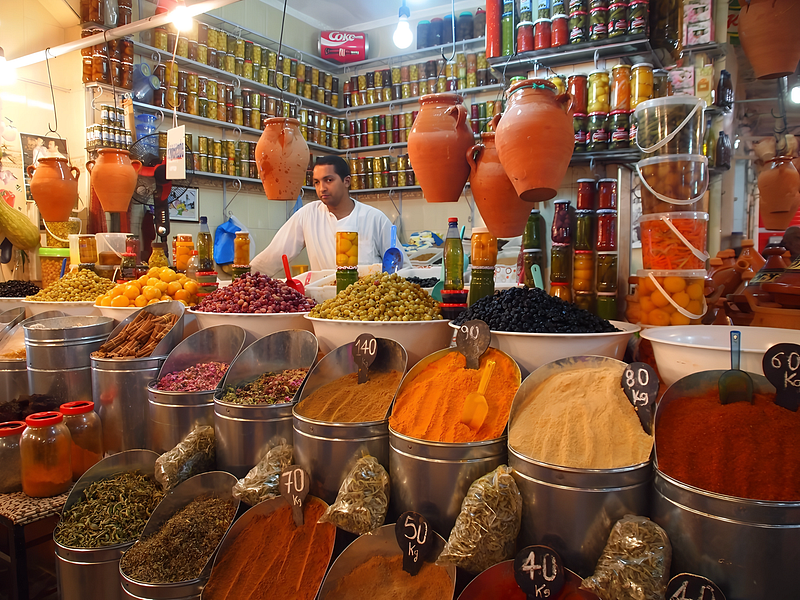
From an economic standpoint, ras el hanout commands high market demand in specialty culinary sectors. Prices range from $25 to $60 per kilogram ($11–27 per pound), depending on ingredient complexity and origin. Major producers are Morocco, Tunisia, and Algeria, with export channels into Europe, the Middle East, and North America. Certification schemes for organic and fair-trade status are rising, while labeling requirements vary by jurisdiction, particularly concerning allergenicity (e.g., inclusion of mustard or sesame).
Culinary Aspects
The taste profile of ras el hanout is layered and elusive. Its flavor combines warmth, earthiness, floral brightness, and gentle heat. The aroma is intoxicating, with cinnamon’s sweetness, ginger’s sharpness, and rose’s perfume interwoven. The mouthfeel is smooth yet punctuated by the slight tingling chemesthesis of pepper and ginger. Texture in dry form is a fine, golden-ochre powder. Balance and complexity depend on the blender’s art: some highlight saffron’s honeyed resonance, others the dark bitterness of cardamom and cumin. Aftertaste is long and harmonized, leaving warmth without cloying heaviness. Appearance in food imparts a burnished golden hue, especially in tagines and stews. Cultural importance is immense: it is a point of pride, often reserved for weddings, feasts, and honored guests, symbolizing abundance and refinement.
Wine Pairings
Pairing wines with ras el hanout requires sensitivity to its aromatic depth and textural warmth. A Moroccan lamb tagine spiced with ras el hanout harmonizes with a Bandol red from Provence, its Mourvèdre backbone carrying enough tannin and spice-aligned aromatics to meet the dish’s intensity. A chicken couscous with lighter ras el hanout finds a counterpoint in a Loire Valley Chenin Blanc, whose acidity and honeyed notes mirror the spice’s floral and citrusy aspects. Vegetable tagines benefit from Jura Savagnin, with oxidative nuttiness balancing cumin and coriander. For seafood dishes incorporating ras el hanout, a Greek Assyrtiko from Santorini, marked by saline minerality and lemon zest, aligns perfectly. Each pairing underscores the principle of resonance or contrast, ensuring the spices are complemented rather than muted.
Conclusion
Ras el hanout is more than a spice blend; it is a cultural archive encoded in flavor. Its taxonomy crosses continents, its biology reveals chemical artistry, its ecology narrates trade and sustainability, and its uses span kitchens, medicine, and cosmetics. To taste ras el hanout is to engage in a dialogue with history, ecology, and craft. As global cuisines intersect and sustainability becomes imperative, this North African blend endures as a model of how biodiversity, culture, and commerce can be woven into a single spoonful.