Silver King of the Seas: The Story of the King Mackerel
Introduction
Introduction
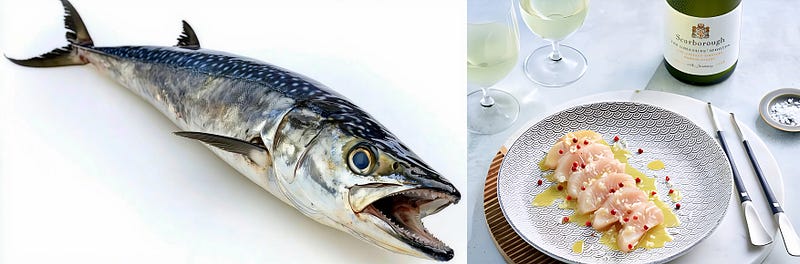
Sleek, silver, and built for speed, the king mackerel (Scomberomorus cavalla) is more than just a trophy for anglers. It is a species that threads together sport, commerce, and cuisine across warm coastal waters. Known among fishermen as the “king,” this fish is prized not only for its fight on the line but also for its place on the plate. Yet, behind its shimmering scales lies a story of biology, ecology, and sustainability that speaks to the future of our oceans.
Taxonomy
The king mackerel belongs to the family Scombridae, which includes tunas and bonitos. Its scientific name is Scomberomorus cavalla, a nod to its status as a giant among the mackerels. There are no formally recognized subspecies, but its range has given rise to regional names and identities. In some markets, it is called kingfish, while in the Caribbean, it is often referred to simply as cavalla. Unlike the closely related Spanish mackerel (Scomberomorus maculatus), the king grows much larger, reaching lengths of up to 5.5 ft (1.7 m) and weighing as much as 90 lb (41 kg).
Biology
Built like a torpedo, the king mackerel has a streamlined body designed for bursts of speed, capable of reaching up to 35 mph (56 km/h). Its sharp, triangular teeth are adapted for seizing schooling fish such as sardines, anchovies, and menhaden. Maturity arrives quickly — often within two years — with females capable of producing millions of eggs during spawning runs. Their shimmering blue-green backs and silvery sides provide camouflage in open waters, blending with sunlit currents and deepening seas.
Ecology
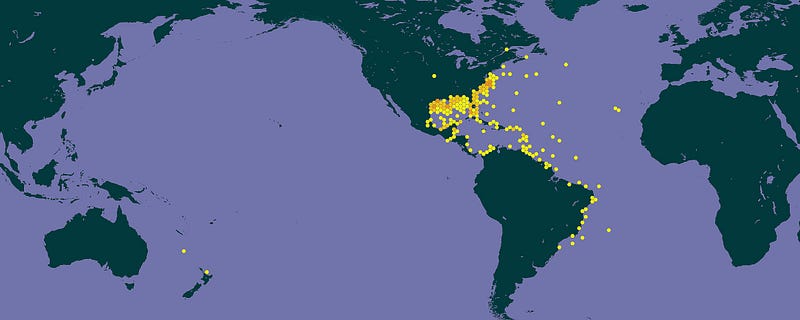
King mackerel inhabit the western Atlantic, from Massachusetts down to Brazil, with a strong presence in the Gulf of Mexico and Caribbean. They prefer warm waters, typically between 68°F (20°C) and 85°F (29°C), and often roam near reefs, piers, and coastal drop-offs. As predators, they help regulate forage fish populations, maintaining balance in marine ecosystems. However, heavy fishing pressure has led to management efforts, with quotas and seasonal restrictions in place to ensure sustainability. Mercury accumulation in larger specimens is another concern, reminding us that even top-tier seafood requires careful monitoring.
Uses
Economically, king mackerel is a cornerstone of both commercial and recreational fishing. In U.S. waters, it supports multi-million-dollar industries: the commercial harvest supplies fresh markets and exports, while sportfishing tournaments attract thousands of anglers each year. Proper management has kept populations stable in many regions, though vigilance is necessary as demand for seafood continues to rise globally.
Culinary Aspects
On the table, king mackerel offers firm, oily flesh with a rich, savory flavor reminiscent of tuna but slightly bolder. Smaller fish, under 10 lb (4.5 kg), are preferred for their milder taste and lower mercury content. In South Florida, smoked kingfish is a delicacy, often flaked into dips or served with crackers. In the Caribbean, steaks are marinated with citrus and peppers before being grilled over open flame. The high oil content makes it excellent for grilling, broiling, or smoking, but less suitable for frying, where the richness can overwhelm.
Nutritionally, king mackerel is high in protein and omega-3 fatty acids, promoting cardiovascular health. However, because larger specimens can carry significant mercury levels, health advisories suggest moderation, particularly for children and pregnant women.
Wine Pairings
Given its bold, oily character, king mackerel demands wines with enough acidity to cut through the richness. A chilled Sauvignon Blanc from New Zealand or a crisp Spanish Albariño pairs beautifully, cleansing the palate between bites. For red wine lovers, a light-bodied Pinot Noir, served slightly cool at around 55°F (13°C), harmonizes with smoked preparations, balancing smokiness with subtle fruit notes. In coastal dining traditions, sparkling wine also finds its place — its effervescence matching the celebratory nature of a hard-won catch.
Conclusion
The king mackerel is more than just a fish; it is a symbol of ocean bounty and human ingenuity. From the thrill of the chase offshore to the smoky aroma rising from a backyard grill, it connects communities across continents. Yet, its story also reminds us of our responsibility: to fish wisely, to eat thoughtfully, and to protect the ecosystems that sustain both kings and commoners of the sea. As climate change and overfishing reshape marine landscapes, the silver king’s fate may mirror our own. The challenge is clear — if we wish to keep this regal fish reigning in our waters, stewardship must be the order of the day.