Silver Rockets of the Sea: The Biology and Bounty of the Atlantic Mackerel
Introduction: In the great theater of the ocean, few performers are as underappreciated as the Atlantic mackerel, Scomber scombrus…
Introduction:
In the great theater of the ocean, few performers are as underappreciated as the Atlantic mackerel, Scomber scombrus. Shimmering like mercury and racing through the cold currents of the North Atlantic, this sleek, torpedo-shaped fish is as much a marvel of nature as it is a gift to the table. Often overlooked in favor of showier species like tuna or salmon, the mackerel nonetheless holds its own as a biological dynamo, a culinary treasure, and a crucial player in sustainable fisheries. This article explores the anatomy, ecology, and epicurean appeal of this remarkable fish, while urging a broader recognition of its ecological and economic importance.
Taxonomy:
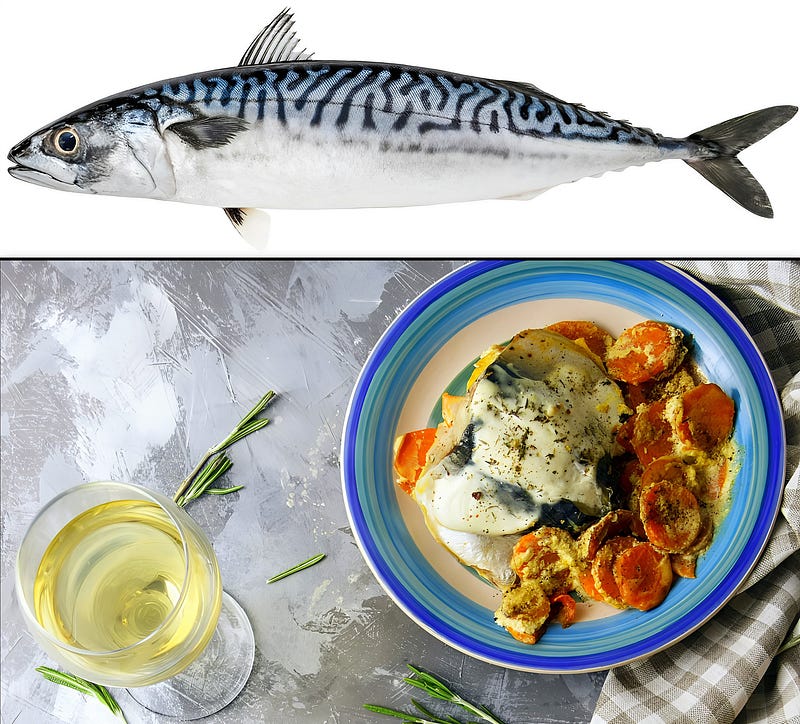
Mackerel refers to a variety of fast-swimming pelagic fish within the Scombridae family, but the star of this discussion is the true Atlantic mackerel, Scomber scombrus. Native to the temperate waters of the North Atlantic, this species is often confused with the Spanish mackerel or king mackerel, which belong to other genera and carry markedly different biological and culinary profiles. While there are no formal subspecies of Scomber scombrus, populations exhibit regional variations between the western and eastern Atlantic. It goes by various names depending on location — caballa in Spanish-speaking countries, maquereau in France, and saba in Japan, where it is a prized ingredient in sushi and grilled dishes.
Biology:
The Atlantic mackerel is built for speed and endurance. Reaching lengths of up to 16 inches (about 40.6 cm) and weights of around 2.2 pounds (approximately 1 kg), it features a streamlined, fusiform body with a deeply forked tail and shimmering vertical stripes on its dorsal surface. Unlike many other fish, mackerel lack a swim bladder, forcing them to remain in constant motion lest they sink — an evolutionary quirk that has turned them into relentless swimmers. Their diet consists mainly of small crustaceans, plankton, and fry, which they chase in tight, coordinated schools that can stretch for hundreds of yards. Reproduction occurs in spring and summer when females release up to 450,000 eggs into open water, where fertilization and development happen externally.
Ecology:
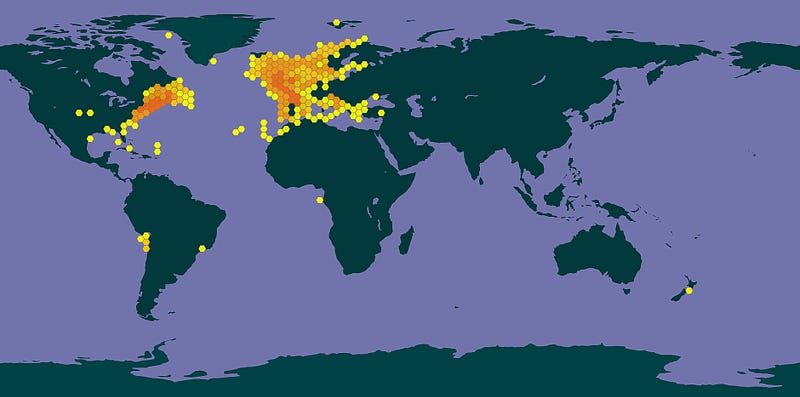
Atlantic mackerel inhabit temperate and subpolar waters, preferring temperatures between 42°F and 66°F (5.5°C to 18.8°C). They undertake vast seasonal migrations, moving northward to feed during the summer and returning south to spawn. As a mid-trophic species, they play a pivotal ecological role — both predator and prey. They feed on zooplankton and small fish, while themselves serving as a primary food source for dolphins, seals, tuna, and seabirds. Due to their importance in marine food webs, fluctuations in mackerel populations can ripple through entire ecosystems. While the species is not currently endangered, overfishing and shifting ocean temperatures due to climate change have led to some regional stock declines, particularly in the northeast Atlantic. Managed fisheries, seasonal closures, and catch quotas have been employed to protect spawning stocks and ensure long-term sustainability.
Uses:
Mackerel fisheries are vital to coastal economies on both sides of the Atlantic. In the United States, commercial landings primarily occur off the New England coast, while European nations such as Norway, the UK, and Ireland have long histories of mackerel fishing.
The fish’s high reproductive rate and short life span make it an ideal candidate for sustainable harvesting, provided that regulatory bodies enforce science-based limits. Its oil-rich flesh has also found use in the production of fish meal and omega-3 supplements. As consumers increasingly seek eco-friendly protein sources, mackerel has emerged as a responsible and nutritious alternative to overexploited species like cod or halibut.
Culinary Aspects:
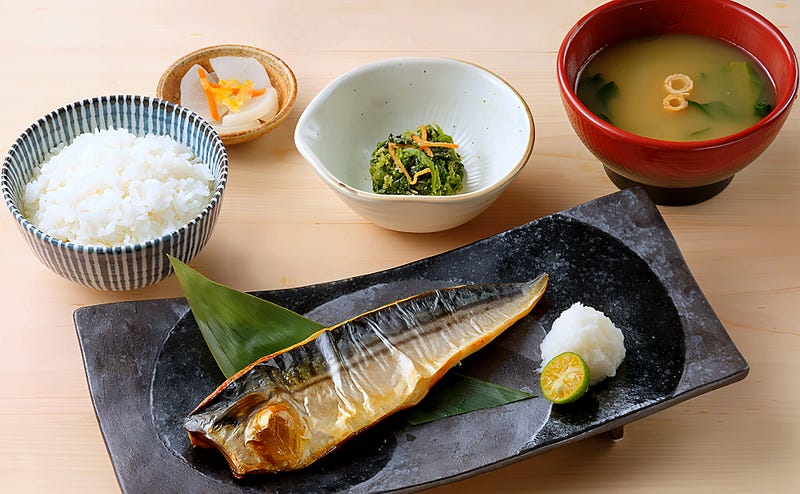
Mackerel’s rich, oily meat — laden with heart-healthy omega-3 fatty acids and vitamin D — delivers a bold, oceanic flavor that holds its own against robust seasoning. Fresh mackerel fillets glisten with silver skin and must be consumed quickly, as their high fat content makes them prone to spoilage. In Mediterranean cuisines, the fish is grilled whole over open flames, seasoned with lemon and herbs. In Japan, it’s served marinated in vinegar (shime saba), grilled as saba shioyaki, or smoked for use in bento boxes. In northern Europe, smoked mackerel is a breakfast staple. Its deep flavor pairs beautifully with acidic components — capers, pickled onions, or a drizzle of mustard vinaigrette — balancing the fish’s natural intensity.
Wine Pairings:
Given its oily texture and pronounced flavor, mackerel demands wines with high acidity and crisp minerality. A chilled glass of Muscadet from the Loire Valley or Albariño from Galicia cuts through the richness like a whetted blade. Dry German Rieslings, especially those with citrus and petrol notes, provide a thrilling contrast. For grilled preparations, consider a light, unoaked Chardonnay or a sparkling wine like Brut Champagne, whose bubbles cleanse the palate between bites. Avoid heavy reds or oak-heavy whites, which can clash with the fish’s marine character.
Conclusion:
The Atlantic mackerel is more than just baitfish or canned commodity — it’s a swift, silvery emblem of oceanic vitality and culinary potential. As climate change challenges global fisheries, consumers, chefs, and policymakers would do well to rediscover and respect this versatile species. Embracing mackerel is not only a nod to tradition but a forward-looking act of ecological mindfulness. Let us honor the humble mackerel, not with indifference, but with the attention and appreciation it has long deserved.