Silver Slivers of the Sea: The Japanese Halfbeak’s Journey from Ocean to Table
Introduction
Introduction
The Japanese halfbeak, Hyporhamphus sajori, is a fish that threads together ecology, tradition, and culinary finesse. Found gliding along the coastal waters of East Asia, it has long been celebrated in Japan, Korea, and China as both a seasonal delicacy and a marker of changing seas. Its slender body and distinctive beak-like jaw make it instantly recognizable, yet what captivates most is not its shape but its cultural resonance. To explore the halfbeak is to trace a path that connects marine ecosystems, fishing communities, and kitchens where its delicate flesh is prepared with reverence.
Taxonomy
The Japanese halfbeak belongs to the family Hemiramphidae within the order Beloniformes. Its scientific name, Hyporhamphus sajori, places it firmly among the halfbeaks, a group distinguished by their elongated lower jaws. No widely recognized subspecies exist, though regional stocks vary in size and migration patterns. In English, it is known as “Japanese halfbeak.” In Japanese, it is called sayori, a word that evokes the abundance of springtime. In Korean, it is referred to as samchi, while in Mandarin Chinese it is jiǎn yú (剪鱼), meaning “scissor fish,” a nod to its sharp profile. Each name reflects the cultural importance of this slender fish in local diets and seasonal markets.
Biology
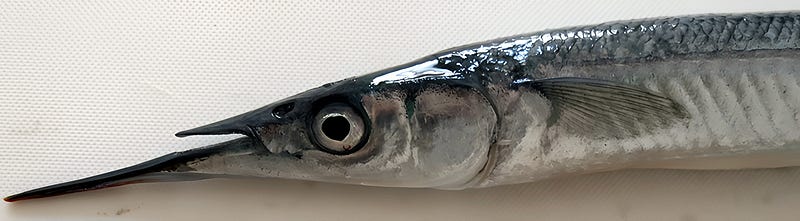
The Japanese halfbeak is a slim, silver fish that typically grows to 20 cm (7.9 in) but may reach up to 30 cm (11.8 in). Its most striking feature is its beak: the lower jaw extends beyond the upper, resembling a blade that helps it slice through surface waters. The scales glisten with a metallic sheen, lending them an elegance that has made them a symbol of refinement in Japanese cuisine. Its life cycle is brief, rarely exceeding three years, and marked by migrations close to shore during spring and autumn. Fertilization occurs in shallow coastal waters, where eggs attach to seaweed with fine filaments. Its diet consists mainly of plankton and small crustaceans, making it an important mid-level species in marine food webs.
Ecology
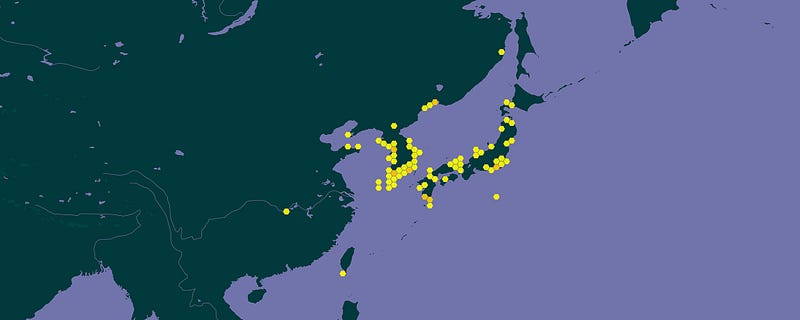
The halfbeak inhabits coastal zones of the western Pacific, ranging from Japan to Korea and parts of China. It favors temperate waters and thrives in bays, estuaries, and seagrass beds. Ecologically, it serves as prey for larger fish such as mackerel and seabass, linking plankton communities to top predators. Though not currently endangered, localized overfishing and coastal development have placed pressure on certain stocks. The species’ seasonal migrations make it vulnerable to intensive harvest during peak landings, often in spring. Sustainable practices emphasize regulated net sizes and seasonal catch limits, ensuring that the fish’s ecological role remains intact.
Uses
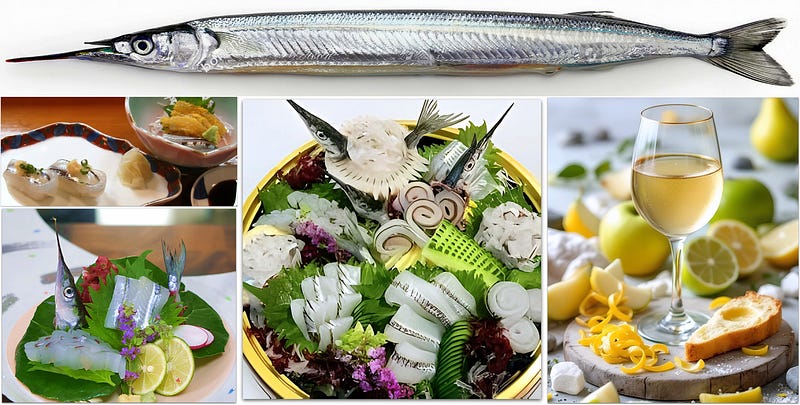
The halfbeak is prized as a food fish, with nearly every part utilized. Its flesh is edible raw, grilled, or lightly fried, while bones and heads often enrich broths. In Japan, it appears as sashimi and sushi, its translucent flesh prized in winter when fat content is highest. In Korea, it is often grilled with salt or marinated in spicy sauces. Typical yields from coastal aquaculture range around 1,200–1,500 kg per hectare (1,070–1,340 lb/acre), providing both local income and seasonal delicacies. Nutritionally, 100 g (3.5 oz) of raw halfbeak contains about 120 calories, 20 g protein, 4 g fat, and notable levels of omega-3 fatty acids. It is low in carbohydrates and rich in selenium and vitamin D. Anti-nutritional or toxic compounds are negligible, and no processing beyond standard cleaning is required.
Commercially, halfbeak products include salted fillets, dried fish, and frozen sashimi-grade cuts. Its flesh is firm yet delicate, with a clean oceanic aroma and a crisp bite. Cooking methods that preserve freshness — grilling, quick pan-searing, or raw presentation — are preferred, as prolonged cooking can toughen the texture. Paired with soy, citrus, or light vinegar marinades, its flavor remains stable.
Medicinally, while no formal pharmacological uses are widely documented, fish oils derived from halfbeak provide omega-3s with cardiovascular benefits. Safety concerns are minimal aside from standard seafood spoilage risks. In feed contexts, byproducts such as fishmeal carry high palatability and protein value for aquaculture, though silage from halfbeak is rarely pursued due to higher market value for direct consumption.
On the ecological side, halfbeak fisheries contribute modest carbon footprints compared to industrial trawling, as small-scale netting dominates. Community rights and traceability systems in Japan and Korea ensure seasonal harvests remain regulated. The conservation status is currently stable, but ongoing monitoring is needed to manage harvest pressure during spawning migrations.
Culinary Aspects
The taste of halfbeak is subtle, almost ethereal, with a delicate sweetness and a faintly grassy note. Its flavor profile is clean and balanced, lacking the oiliness of mackerel yet offering more complexity than whitefish such as flounder. The aroma is mild and oceanic, never overpowering. Its texture is tender yet lightly resistant, creating a refined mouthfeel ideal for raw preparations. The aftertaste is clean with a faint mineral finish. Appearance is striking: silver skin with greenish highlights and translucent flesh that chefs often present in thin, elegant cuts. Culturally, halfbeak holds significance as a seasonal fish in Japanese cuisine, associated with refinement and celebrated in springtime banquets.
Wine Pairings
The subtlety of halfbeak calls for wines that accentuate delicacy rather than overwhelm it. A Muscadet Sèvre et Maine from the Loire Valley, with its bracing acidity and saline minerality, pairs seamlessly with sashimi preparations, amplifying the fish’s clean oceanic notes. For grilled or lightly charred halfbeak, a Portuguese Arinto offers bright citrus and herbal tones that echo the fish’s grassy nuance while cutting through salt. When marinated in vinegar or served with soy-based sauces, a Grüner Veltliner from Austria complements the umami depth with its peppery finish and balanced structure. Each pairing underscores the halfbeak’s refined profile, ensuring harmony between sea and vineyard.
Conclusion
The Japanese halfbeak is more than a slender fish with a curious jaw. It is a bridge between ecosystems and cultures, between the plankton-rich shallows where it feeds and the refined plates where it is savored. Its story illustrates how biodiversity, culinary tradition, and sustainable practices intersect. As global interest in sustainable seafood grows, the halfbeak stands as a model: a small, graceful species whose journey from ocean to table speaks to the enduring connection between human societies and the sea.