Tabil: The Fiery Soul of Tunisian Cuisine
Introduction
Introduction
Tabil is not merely a spice blend — it is a revelation. Deep in the kitchens of Tunisia, where Mediterranean winds meet Saharan heat, Tabil whispers stories of Berber warriors, Arab traders, and culinary matriarchs who passed down their secrets through scent rather than script. For those unfamiliar with this robust, aromatic staple, Tabil might seem like just another regional seasoning. But to the Tunisian table, it is the backbone of identity. This article unpacks the rich cultural, ecological, and gastronomic threads woven into this ancient blend, revealing how a handful of ground spices can speak to global trends in biodiversity, sustainability, and sensory heritage.
Taxonomy
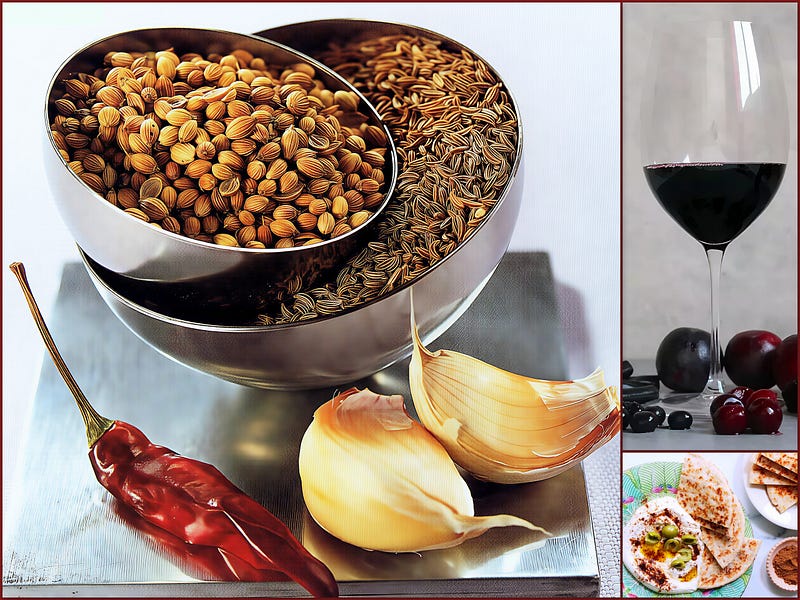
While Tabil is a spice mix and not a singular botanical species, its core ingredients are plants with storied pasts and global significance. The traditional recipe includes ground coriander (Coriandrum sativum), caraway seeds (Carum carvi), dried red chili peppers (Capsicum annuum), and garlic powder (Allium sativum). Some regional variants also include rose petals or turmeric. Each of these spices belongs to a different genus and species, but together they form a symphony of the Apiaceae, Solanaceae, and Amaryllidaceae families. These are not obscure herbs; they are some of the most cultivated spices on Earth, grown both for flavor and for their medicinal and ecological contributions.
Biology
The biological characteristics of Tabil’s components are as fascinating as the blend itself. Coriander is a fast-growing annual herb, reaching about 24 in or 60 cm in height, thriving in well-drained soils under full sun. Its seeds — used in Tabil — are rich in linalool, a terpene responsible for their citrusy warmth. Caraway, closely related, offers cresolic and earthy notes from its essential oils. The chili peppers, harvested at full maturity, are sun-dried and crushed, providing both heat and color. Garlic, with its sulfur-rich compounds like allicin, adds a pungent, savory undertone. Each element has its adaptive profile — resisting pests, attracting pollinators, or tolerating arid conditions — all contributing to Tabil’s historical success in the arid climates of North Africa.
Ecology
Tabil’s ingredients are robust and resilient, often grown in ecologically challenging environments. Coriander and caraway thrive in semi-arid climates with minimal water inputs, making them suitable for sustainable agriculture. Peppers are increasingly cultivated using drip irrigation, minimizing water waste in hot climates. Garlic grows in a wide range of latitudes and is often used in crop rotation systems to improve soil health. These crops support local pollinator populations and require fewer synthetic inputs compared to monoculture cash crops. From an ecological standpoint, the plants in Tabil represent an agricultural model that balances productivity with environmental stewardship — an urgent necessity in a warming world.
Uses
Tabil is far more than a flavoring — it is an economic and cultural export. In Tunisia, households often roast and grind their own Tabil in small batches, a ritual of culinary inheritance. Beyond the home kitchen, Tabil is now being marketed globally in gourmet spice shops, boutique food brands, and sustainable agriculture cooperatives. As global interest in North African cuisine rises, demand for ethically sourced Tabil ingredients has opened new markets for smallholder farmers across Tunisia and neighboring countries. Because the core components are shelf-stable and drought-tolerant, Tabil also presents an economic model that marries culinary richness with climate resilience.
Culinary Aspects
The taste of Tabil is assertive, warm, and slightly smoky. It holds its own in lamb stews, roasted vegetables, couscous, and grilled fish. When rubbed into meat, it creates a crust that caramelizes under heat, releasing a perfume of toasted coriander and garlic. A typical Tunisian recipe might call for 1.5 oz of Tabil — equivalent to 42.5 g — for marinating 2.2 lb or 1 kg of chicken. Tabil’s punchy flavor means it can substitute salt-heavy seasonings, offering a healthier option for those watching sodium intake. Nutritionally, the blend delivers antioxidants, anti-inflammatory compounds, and digestive benefits thanks to the coriander and garlic.
Culturally, Tabil is inseparable from the identity of Tunisian cuisine. To cook without it is to speak without grammar. It tells a story of resistance — of preserving regional flavor in a globalized food market, of adapting ancient flavors to modern palates without losing authenticity.
Wine Pairings
Pairing wine with Tabil-rich dishes requires something bold, yet not overpowering. A Tunisian lamb stew scented with Tabil pairs beautifully with a Grenache or a Syrah — wines that mirror the spice’s earthy, peppery profile. The fruity boldness of a 750 mL bottle of Zinfandel also plays well with Tabil’s chili heat and garlic pungency, especially when grilled meats are involved. For lighter dishes — say, couscous with roasted vegetables and Tabil — try a dry Riesling or a chilled Chenin Blanc. Their acidity cuts through the oil and spice, offering contrast rather than competition.
Conclusion
Tabil is a bridge — between past and present, between sustainability and indulgence, between North African roots and global appeal. Its potency lies not just in its flavor but in its function: a seasoning that elevates humble ingredients, a blend born of ecological sense and cultural necessity. In an era where culinary diversity is at risk of becoming homogenized by industrial convenience, Tabil endures. And in that endurance, we find something worth preserving — not only on our plates but in our soils, our economies, and our stories.