Taylor Townsend Shatters Tennis’s Unwritten Rules — And Exposes Its Ugly Underside in Heated US…
Tennis decorum represents a fundamental aspect of the sport’s culture, blending traditional etiquette with modern competitive spirit. The…
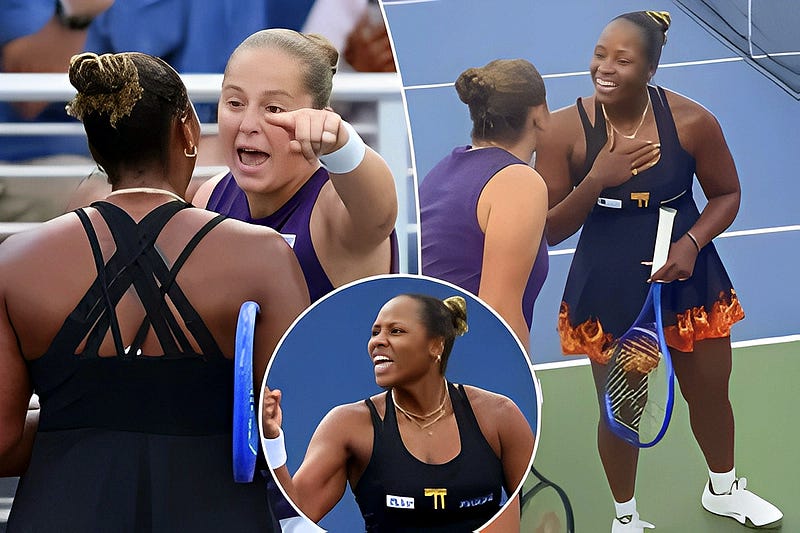
Taylor Townsend Shatters Tennis’s Unwritten Rules — And Exposes Its Ugly Underside in Heated US Open Clash
Tennis decorum represents a fundamental aspect of the sport’s culture, blending traditional etiquette with modern competitive spirit. The recent incident involving Taylor Townsend and Jelena Ostapenko at the US Open highlights how these unwritten rules continue to shape professional tennis dynamics.
Tennis etiquette encompasses both written and unwritten rules designed to maintain respect, fairness, and enjoyment for all participants. These standards include punctuality and preparedness, which means arriving on time for matches and being ready to play demonstrates respect for opponents’ time and court scheduling. Silence during points is another key principle, where players and spectators should remain quiet during points to avoid disrupting concentration. Honest line calling requires players to make prompt, accurate calls and give opponents the benefit of the doubt on close shots. Equipment respect involves avoiding racket abuse or damaging court facilities, as this shows poor sportsmanship and potential danger. Proper attire means following club-specific dress codes, such as all-white requirements at Wimbledon, to show respect for tradition.
One of tennis’s most debated unwritten rules is the expectation that players apologize after winning a point via a net cord shot. This gesture acknowledges the element of luck rather than skill involved in such points. The traditional practice sees most players raise a hand or racket to acknowledge the fortunate shot. However, controversy exists as some players argue that net cords result from aggressive play and shouldn’t require an apology. Recent incidents include the Townsend-Ostapenko conflict, which originated when Townsend celebrated rather than apologized for a net cord winner, which Ostapenko considered disrespectful.
The second-round US Open match between Taylor Townsend and Jelena Ostapenko highlighted how etiquette interpretations vary. The triggering moment occurred at five games all in the first set, when Townsend hit a forehand that clipped the net and landed unpredictably, helping her win the point. She celebrated the point without offering the traditional apology gesture. Ostapenko confronted Townsend at the net post-match, stating she had no education and no class. Ostapenko also criticized Townsend’s warmup routine of starting at the net rather than the baseline, though no official rules govern warmup protocols. Townsend remained calm, defended her stance, and stated, “Don’t push your expectations on me.” She emphasized representing herself and her culture with pride.
The incident transcended typical tennis disagreements, touching on cultural and racial undertones. Tennis has traditionally been dominated by white athletes, and expectations of proper behavior often reflect Eurocentric norms. Ostapenko has multiple prior incidents of poor sportsmanship, including racket throwing and verbal attacks. As a Black woman, Townsend emphasized her pride in representing her culture and handled the situation with restraint.
The incident sparked widespread discussion in media coverage, which debated whether unwritten rules should be enforced. Fan response saw crowds supporting Townsend, cheering loudly as Ostapenko left the court. Player perspectives varied, with some players valuing apologies for net cords, while others see them as unnecessary.
For amateur players, understanding key etiquette principles enhances enjoyment. Ball management means retrieving stray balls only between points, not during play. Court movement involves avoiding walking behind courts during points and waiting until play stops. The post-match handshake means always shaking hands or tapping rackets after matches, regardless of the result. Score announcement requires servers to call scores clearly before each point.
As tennis evolves, so do its behavioral norms. Changing attitudes see younger players often challenge traditional etiquette. Official versus unwritten rules means organizations like the USTA enforce written rules but not unwritten expectations. Cultural differences mean international players may have varying interpretations of sportsmanship.
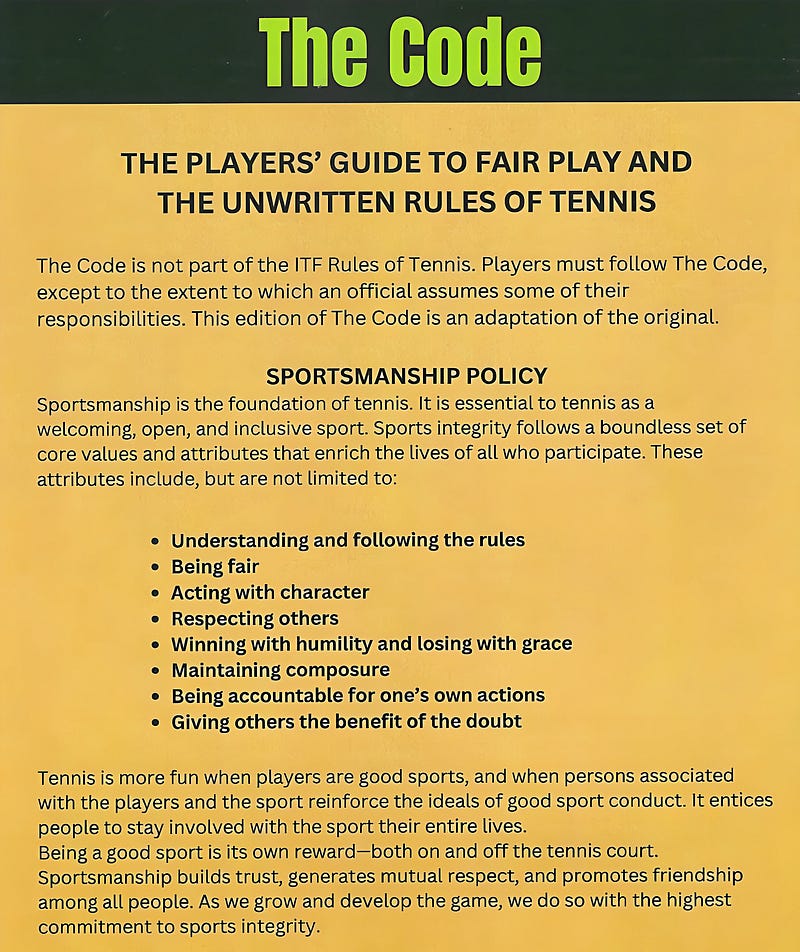
Tennis decorum remains an essential element of the sport, balancing respect for tradition with evolving competitive norms. The Townsend-Ostapenko incident illustrates how unwritten rules can spark conflict, especially when cultural perceptions and personal expectations clash. Taylor Townsend’s poised response underscored how professionalism and integrity often transcend outdated conventions. As tennis continues to grow in global diversity, the culture of etiquette may increasingly embrace varied expressions of sportsmanship while maintaining core values of respect and fairness.