The Alchemy of Spice: Garam Masala’s Journey Through Biology, Culture, and Sustainability
Garam masala embodies centuries of ecological and cultural exchange, its evolving blend carrying both tradition and responsibility. Preserving its future means protecting the ecosystems behind it, where every swirl of spice reflects a world in motion.
Introduction
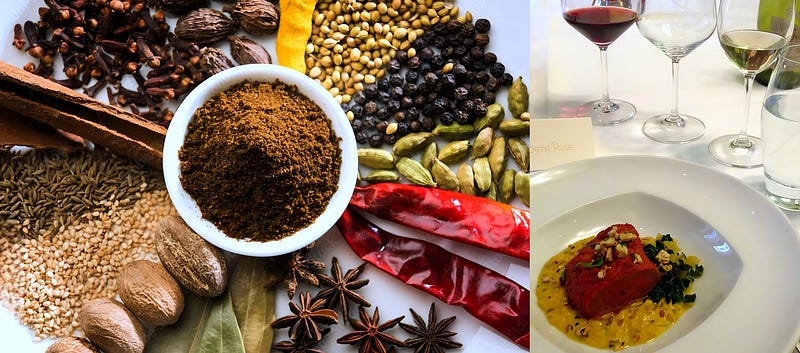
Few culinary creations carry the weight of history, geography, and biology in quite the way garam masala does. This fragrant blend, whose name translates from Hindi as “warming spice mix,” is less a single recipe and more a philosophy of flavor. Across South Asia, from bustling street markets in Delhi to quiet kitchens in rural Punjab, garam masala ties together diverse culinary traditions into a shared aromatic language. To explore it is to uncover not only the biology of its constituent species but also the cultural and ecological web they inhabit.
Taxonomy
Unlike a single species such as pepper or fennel, garam masala belongs to no single taxonomic lineage. Instead, it is a composite of species from distinct botanical families, each adding its biological signature. Cumin (Cuminum cyminum, family Apiaceae), coriander (Coriandrum sativum, Apiaceae), cardamom (Elettaria cardamomum, Zingiberaceae), cinnamon (Cinnamomum verum, Lauraceae), black pepper (Piper nigrum, Piperaceae), and cloves (Syzygium aromaticum, Myrtaceae) form the backbone of most blends. Regional varieties may include nutmeg (Myristica fragrans, Myristicaceae), star anise (Illicium verum, Schisandraceae), or bay leaf (Laurus nobilis, Lauraceae). Each species is an edible variety in its own right, but together they create the synergy that defines garam masala.
Biology
Every spice in garam masala is a biological marvel, adapted for survival and dispersal. Peppercorns are dried drupes, their heat derived from piperine, an alkaloid that deters pests. Cloves are dried flower buds, packed with eugenol oil, a natural antiseptic and aromatic. Cardamom’s green pods conceal tiny seeds rich in terpenes, which serve as defense compounds in the wild but add citrusy brightness in cooking. Cinnamon, harvested as bark, protects the tree with cinnamaldehyde, the compound that gives it its unmistakable warmth. Each life cycle — from the flowering coriander plant to the tropical vines of pepper — adds another dimension to the blend’s biological identity.
Ecology
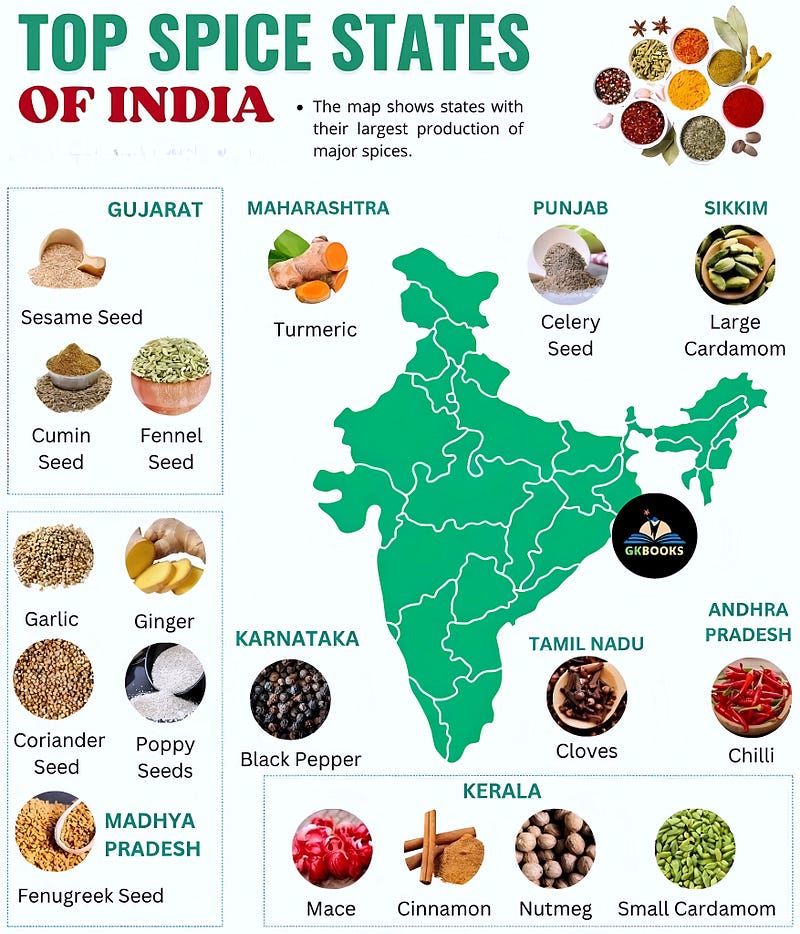
The ecological footprint of garam masala is vast, spanning tropical forests, coastal plantations, and arid fields. Pepper vines thrive in humid, equatorial zones, often cultivated alongside coconut palms in India and Southeast Asia. Cinnamon trees grow best in Sri Lankan and South Indian soils, while cumin and coriander are staples of drier regions across India and the Middle East. Sustainability concerns loom large: overharvesting of wild cardamom in Nepal has threatened native forests, while monoculture spice farming risks soil depletion. Efforts to promote agroforestry — intercropping spices with fruit and nut trees — offer a more sustainable path, preserving biodiversity while ensuring supply.
Uses
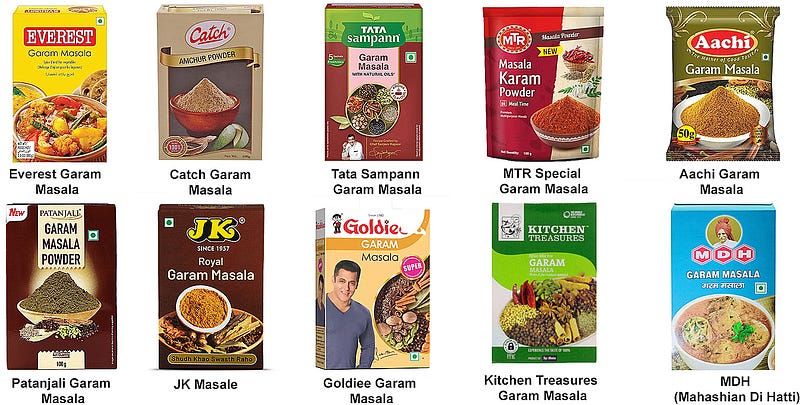
Economically, garam masala is more than a flavor — it is a commodity chain linking farmers, traders, and global markets. India remains the world’s largest producer and exporter of many of its core spices, while demand continues to rise in Europe and North America as South Asian cuisine becomes more mainstream. Packaged blends dominate supermarkets, but artisanal spice merchants emphasize freshness, urging cooks to grind their own at home. Sustainable sourcing — whether fair-trade pepper or organic cinnamon — has become a marketing force as consumers align ethical values with culinary choices.
Culinary Aspects
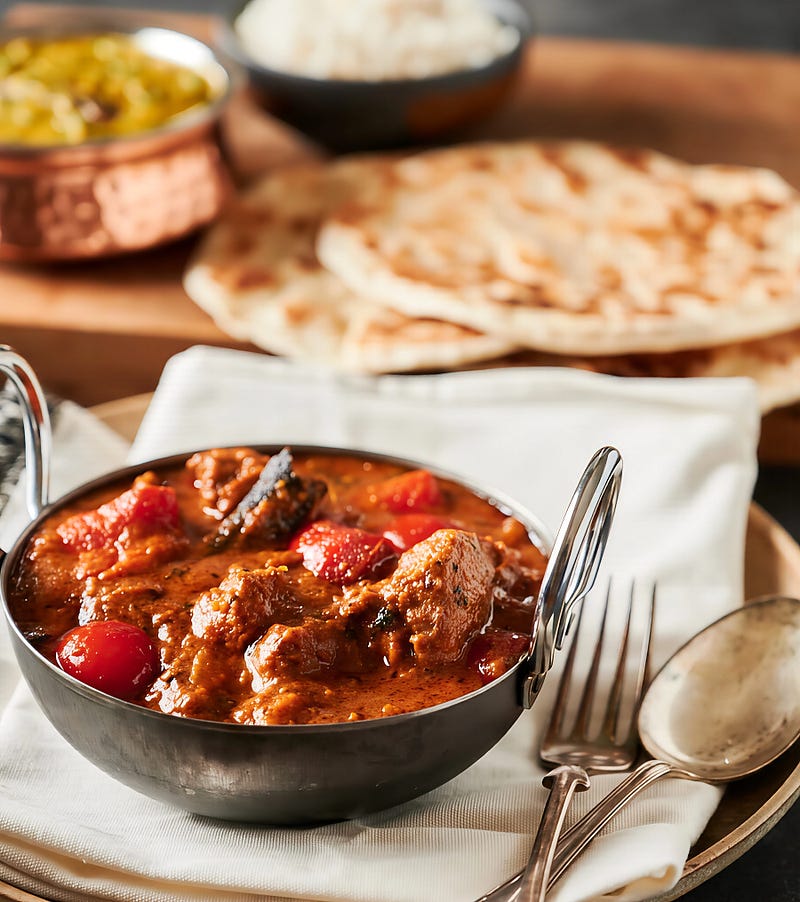
The culinary impact of garam masala is both scientific and poetic. Its warming profile derives from a balance of volatile oils, alkaloids, and tannins that engage multiple sensory pathways — sweet, bitter, pungent, and aromatic. Added at the end of cooking, it perfumes lentils, rice, and meats with a finishing touch; used at the start, it builds a foundation of depth. In a Punjabi curry, its cinnamon and clove notes heighten richness; in a Kashmiri rogan josh, cardamom and pepper lend heat and brightness. Beyond taste, the blend carries nutritional benefits: antioxidants in cloves and cinnamon, digestive aid from cumin, and circulatory stimulation from black pepper.
Wine Pairings
Pairing wine with garam masala-driven dishes is no simple task, yet when done well, it elevates both. A Gewürztraminer from Alsace, with its lychee sweetness and floral lift, harmonizes with the spice’s warmth. A New Zealand Pinot Noir, light yet earthy, finds resonance in lamb curries, its red fruit tones softening clove and pepper. For vegetarian dishes heavy on cumin and coriander, a dry Riesling, its acidity cutting through richness, offers balance. Even sparkling wines, particularly brut styles, cleanse the palate after the lingering aromatic oils of a masala-heavy feast.
Conclusion
Garam masala is not a spice but a conversation — between species, cultures, and climates. It is at once ancient and evolving, regional and global, biological and philosophical. To cook with it is to engage in an act of ecological inheritance, one that demands both reverence for tradition and responsibility for the future. As global palates grow more adventurous, the challenge is not only to preserve its authenticity but also to ensure that the ecological systems behind it remain sustainable. In the quiet swirl of spice in a mortar, the entire world hums.