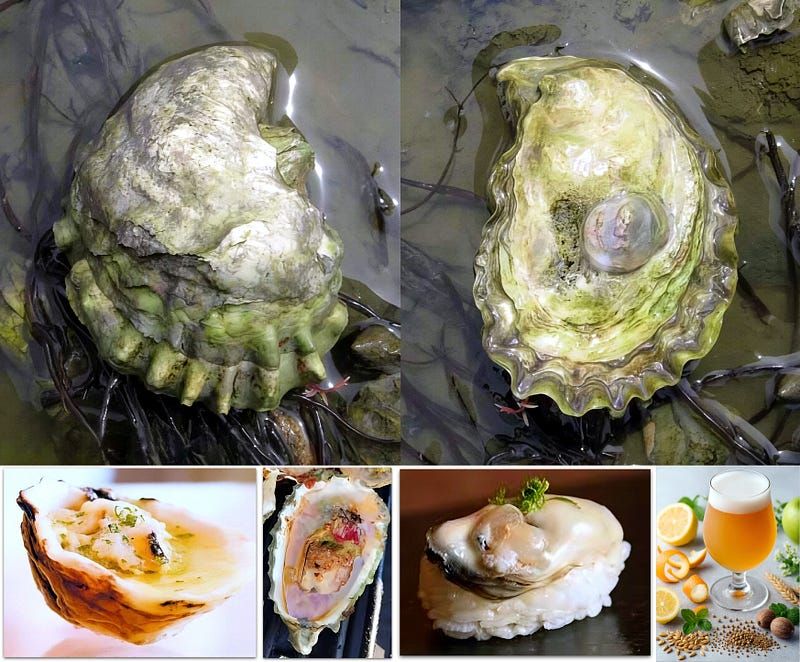
The Citrus Whisper of the Bush: Lemon Ironbark (Eucalyptus staigeriana)
Introduction
Introduction
Among the vast eucalypt family that defines Australia’s landscapes, one species stands apart not for towering grandeur but for its delicate citrus bouquet. Lemon ironbark, scientifically known as Eucalyptus staigeriana, has long been treasured by Aboriginal Australians for its aromatic properties. Today, it bridges traditional uses and modern industries, from perfumery to culinary arts. Its story is one of ecological resilience, sensory allure, and sustainable potential.
Taxonomy
Lemon ironbark belongs to the genus Eucalyptus in the family Myrtaceae. Its scientific name is Eucalyptus staigeriana, first described in the 19th century. Common names include lemon-scented ironbark and lemon ironwood. Unlike other edible eucalypt varieties such as lemon myrtle (Backhousia citriodora), lemon ironbark is notable for its essential oil content, rich in citral and limonene, giving it a distinctly lemony profile. Though not widely consumed as a leaf vegetable, it plays a role in teas, infusions, and flavoring extracts.
Biology
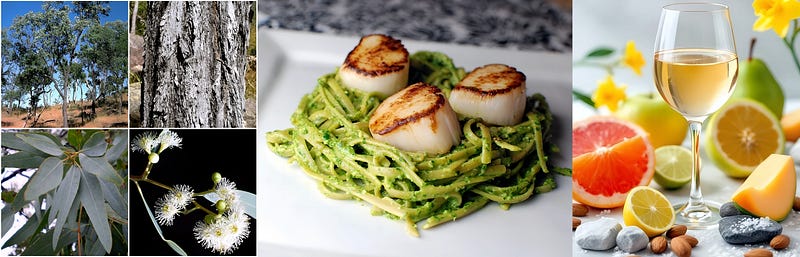
This small to medium-sized tree reaches about 10–15 meters (33–49 ft) in height. Its bark is deeply furrowed, giving the “ironbark” designation, while its foliage releases a strong lemon fragrance when crushed. The leaves are narrow, lanceolate, typically 6–12 cm (2.4–4.7 in) long, and are the primary source of oil. Creamy white flowers bloom in clusters, providing nectar to pollinators. The tree’s longevity and resistance to pests make it a hardy species, adapted to withstand the variable rainfall and poor soils of its native habitat.
Ecology
Native to Queensland, Australia, lemon ironbark thrives in dry sclerophyll forests and woodlands. It plays a supporting ecological role by providing food for pollinators and habitat for insects and small birds. Its resilience to drought makes it valuable in climate-adaptive reforestation efforts. However, overharvesting for essential oil distillation poses sustainability concerns. Cultivation practices that emphasize rotation, small-scale harvesting, and biodiversity protection are critical to conserving this species in its natural range.

Uses
The essential oil distilled from lemon ironbark leaves is the cornerstone of its economic importance. With a high citral content, the oil is prized in aromatherapy, perfumery, cleaning products, and natural insect repellents. Beyond fragrance, the oil’s antibacterial and antifungal properties have medicinal value. On the market side, lemon ironbark products command premium prices, making them part of Australia’s growing “bush foods and botanicals” sector. International demand is rising, yet sustainable sourcing remains a differentiator for ethical producers.
Culinary Aspects
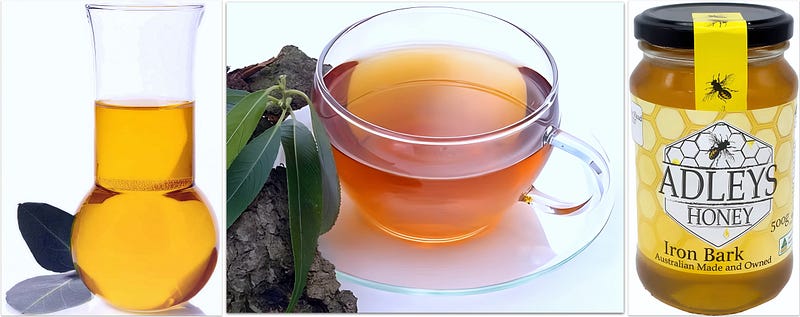
The culinary appeal of lemon ironbark lies in its aromatic intensity rather than its bulk edibility. The leaves and distilled oil impart a citrusy note with subtle herbal undertones. The taste profile is bright, with a zesty lemon flavor layered with earthy eucalyptus warmth. Aroma is sharp yet clean, reminiscent of lemongrass and lime peel. The mouthfeel is refreshing with a slight astringent edge. In cooking, the leaves are infused in sauces, marinades, and teas, while a few drops of oil can flavor syrups, desserts, and beverages. Nutritionally, the plant’s antioxidants contribute to health benefits when used in moderation, though concentrated oils must be handled with care due to their potency. The balance and complexity of lemon ironbark’s flavor profile align it with high-end gastronomy, where subtle aromatic layering matters.
Wine Pairings
Pairing wine with lemon ironbark involves harmonizing its citrus-driven sharpness. A Vermentino from Sardinia offers bright acidity and a saline finish that echoes lemon ironbark’s zest in seafood dishes. Grüner Veltliner from Austria, with its peppery freshness and lime undertones, aligns with ironbark-infused salads or herbal poultry marinades. Torrontés from Argentina, aromatic and floral, balances the herb’s sharpness in desserts flavored with ironbark syrup. For richer pairings, a Hunter Valley Semillon from Australia provides aged honeyed depth that integrates seamlessly with lemon ironbark oils in roasted chicken or creamy sauces. Each choice amplifies sensory harmony without overwhelming the plant’s delicate volatile notes.
Conclusion
Lemon ironbark embodies the synthesis of ecology, economy, and gastronomy. It is more than a fragrant tree; it is a botanical asset with potential to shape sustainable industries. As global interest in native foods and aromatics grows, the species illustrates how traditional knowledge can guide modern innovation. The challenge lies in balancing commercial expansion with conservation, ensuring that the whisper of citrus in the bush continues to thrive for generations.