The Speckled Teal: South America’s Subtle Waterfowl
The speckled teal embodies the quiet richness of South American wetlands, bridging ecological function, cultural identity, and gastronomic tradition.
Introduction
Across the wetlands and high-altitude lakes of South America, the speckled teal (Anas flavirostris) glides with quiet distinction. Though small and often overshadowed by larger or more flamboyant duck species, this bird plays a vital ecological role and carries cultural and culinary significance in the regions where it thrives. Understanding the speckled teal means looking closely at its taxonomy, biology, and habitat while also exploring how people interact with it — whether through traditional hunting, sustainable conservation, or culinary traditions that highlight its delicate qualities.
Taxonomy
The speckled teal belongs to the family Anatidae, which includes ducks, geese, and swans. Its scientific name is Anas flavirostris, and it is commonly referred to as the speckled teal or yellow-billed teal, a reference to its distinctive bill coloration. Within the species, two notable subspecies occur: Anas flavirostris oxyptera, found in the Andes, and Anas flavirostris flavirostris, common in southern South America. These subspecies adapt to distinct habitats, from high mountain lakes at elevations over 13,000 ft (approximately 4,000 m) to lowland wetlands and estuaries. Local communities may use vernacular names tied to indigenous traditions, often reflecting the bird’s mottled plumage.
Biology
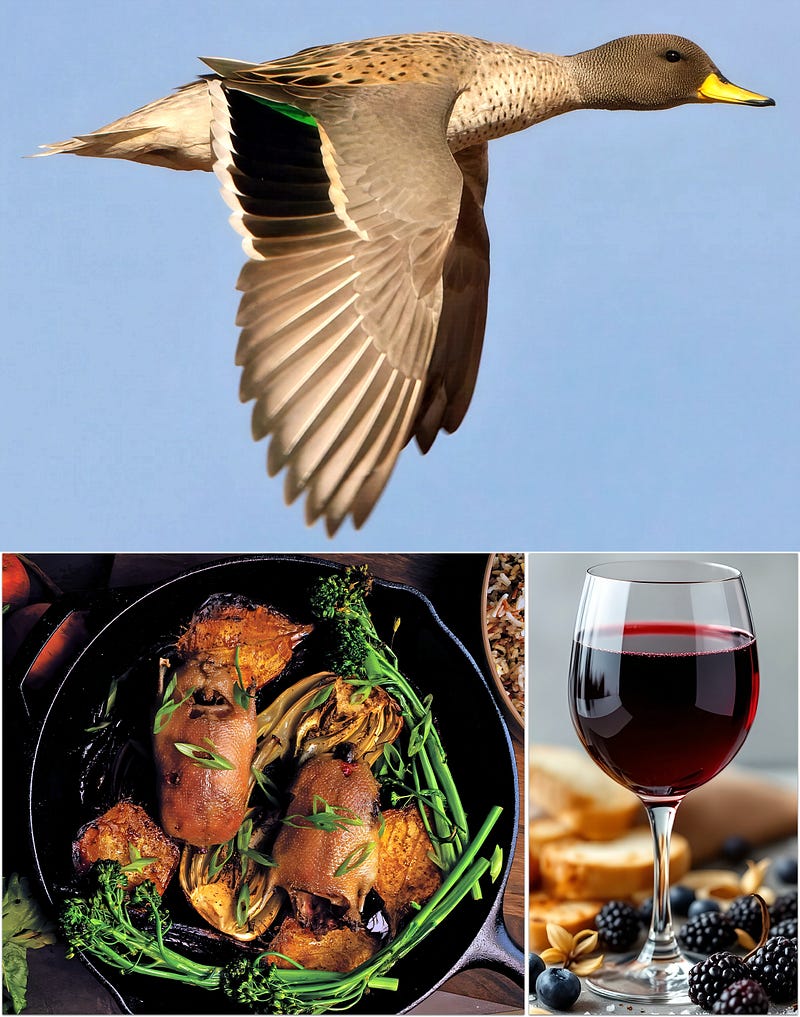
The speckled teal is a compact duck, measuring about 15 in (38 cm) in length and weighing roughly 14 oz (400 g). Its speckled breast gives it a camouflaged appearance, ideal for blending into reeds and grasses. The yellow bill is its defining feature, providing contrast against muted brown and gray plumage. These ducks exhibit monogamous pairing during breeding seasons, with nests often hidden in dense vegetation near shallow waters. Clutch sizes range from 6–10 eggs, each about 2.1 in (5.3 cm) long, and incubation lasts nearly 25 days. Their diet is omnivorous, including aquatic plants, seeds, and small invertebrates, with a strong reliance on shallow foraging behavior.
Ecology
This species occupies wetlands, marshes, and high-altitude lagoons throughout Argentina, Chile, Uruguay, Bolivia, and Peru. It plays a role in controlling aquatic vegetation and invertebrate populations, while also serving as prey for raptors and carnivorous mammals. Seasonal movements vary: some populations remain resident, while others disperse depending on water availability. Habitat loss from agriculture, pollution, and wetland drainage threatens populations, although the species is currently listed as Least Concern. Conservation efforts increasingly emphasize wetland protection, sustainable water use, and traditional ecological knowledge to maintain viable populations.

Uses
For centuries, speckled teals have been hunted in South America, both as a subsistence food source and for sport. Market hunting is less common today, with regulations in place across much of their range. Economically, the bird’s value lies in its contribution to local food culture and ecotourism, particularly birdwatching in Patagonia and the Andes. Sustainable management practices aim to balance ecological needs with human uses, ensuring that the species is not overexploited while still providing community benefits.
Culinary Aspects
Culinary traditions highlight the speckled teal as a delicacy, though availability depends on hunting laws and local customs. Its meat is lean, dark, and tender, with a rich but not overpowering flavor. The taste profile combines earthy depth with a mild sweetness, reminiscent of small game birds. The aroma during roasting is subtly grassy, reflecting its plant-heavy diet. Mouthfeel is firm but delicate, lacking the fattiness of larger ducks. Texture is fine-grained, offering a clean finish with a faint mineral complexity. Traditional preparations include slow roasting over wood embers or braising with local herbs such as huacatay or oregano. Nutritionally, a portion of teal meat delivers high-quality protein, low saturated fat, and micronutrients like iron and vitamin B12, supporting both strength and endurance in rural diets.
Wine Pairings
Pairing wines with speckled teal requires sensitivity to its lean, game-like character. A Patagonian Pinot Noir may seem obvious, but more distinctive options yield greater harmony. From Argentina, a Bonarda offers soft tannins and ripe red fruit, complementing the earthy sweetness of teal roasted with herbs. In Chile, a Carménère brings notes of green pepper and dark plum, aligning with braised teal in spiced reductions. For high-altitude preparations in the Andes, a Torrontés white provides floral lift and bright acidity, balancing herbal sauces without overwhelming the delicate meat. In Uruguay, Tannat’s bold tannins and smoky edge match well with teal grilled over an open fire, creating a rustic yet refined pairing. Each choice reflects regional authenticity while drawing out nuanced dimensions of teal cuisine.
Conclusion
The speckled teal embodies the quiet richness of South American wetlands, bridging ecological function, cultural identity, and gastronomic tradition. As pressures on wetland ecosystems grow, the future of this understated duck depends on sustainable stewardship that honors both biodiversity and human connection. By appreciating the speckled teal not just as a bird but as part of a broader ecological and culinary narrative, we recognize the interdependence between landscapes, species, and cultural practices that shape our shared future.