The Crimson Monarch of the Seas: Exploring the World of the Red King Crab
The Red King crab, Paralithodes camtschaticus, reigns as both a biological marvel and a culinary treasure, straddling the line between…
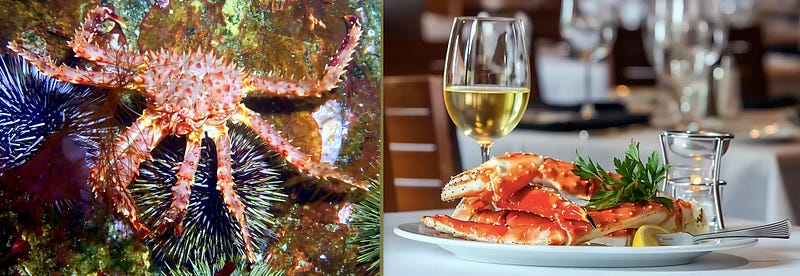
The Red King crab, Paralithodes camtschaticus, reigns as both a biological marvel and a culinary treasure, straddling the line between scientific fascination and gastronomic indulgence. Found in the frigid waters of the North Pacific and the Bering Sea, this crustacean has inspired tales of daring Alaskan fisheries, lavish seafood feasts, and intense debates over sustainability. To truly appreciate this crimson monarch, one must delve beneath its spiny carapace into the intricacies of its taxonomy, biology, ecology, and its role in global cuisine.
Taxonomy: A Spiny Giant of the Decapod Realm
The Red King crab belongs to the family Lithodidae within the infraorder Anomura, making it a relative of hermit crabs rather than true crabs. Its scientific name, Paralithodes camtschaticus, reflects its origins in the Kamchatka Peninsula of Russia. Common names include Kamchatka crab and Alaskan King crab, the latter popularized by the North American seafood market. While the Red King crab is the most celebrated, related edible species, such as the Blue King crab (Paralithodes platypus) and the Golden King crab (Lithodes aequispinus), occupy similar cold-water habitats and offer distinct flavors and market profiles.
This species is colossal compared to many other decapods, with an average leg span of 1.5 m (5 ft) and a weight commonly reaching 10 kg (22 lb), with exceptional specimens surpassing 12 kg (26 lb). Its size and bright crimson exoskeleton make it instantly recognizable and a prized catch among fisheries.
Biology: Life Beneath the Armor
The Red King crab’s body is a fortress of spiny armor designed to deter predators such as Pacific cod and sea otters. It has ten legs, including two formidable claws — one used for crushing and the other for precision cutting. Juveniles molt frequently to grow, while adults slow their molting cycle, making fully mature crabs particularly vulnerable after their rare molts.
The life cycle of P. camtschaticus is a saga of migration and transformation. Females carry thousands of eggs beneath their abdominal flap for nearly a year, releasing larvae in synchrony with plankton blooms in spring. These larvae drift with ocean currents before settling to the seafloor, where they form dense aggregations called pods for protection. Sexual maturity is typically reached at 4–7 years, and the species can live for over two decades in optimal conditions.
Ecology: A Cold-Water Predator and Prey
Native to the icy waters off Alaska and Russia, the Red King crab thrives in depths ranging from 20 m (66 ft) to over 200 m (656 ft), favoring sandy and muddy substrates. It is a benthic omnivore, feeding on clams, sea urchins, small fish, and even detritus, playing a vital role in regulating seafloor ecosystems. Its introduction to the Barents Sea in the 1960s, a Soviet-era fisheries experiment, transformed Arctic ecosystems, as the species spread westward toward Norway, where it is both a commercial boon and an invasive concern.
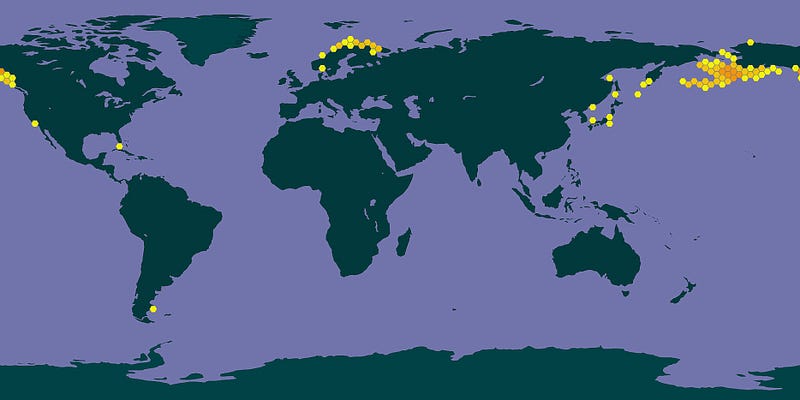
Sustainability has become a defining concern for this species. Overfishing and climatic changes have threatened certain Alaskan populations, prompting strict quotas and seasonal closures. The rise of certified fisheries ensures that the iconic crab remains available to consumers while protecting future stocks.
Uses: Economic Powerhouse of the North
The Red King crab is one of the most valuable crustaceans in the global seafood market. Its harvest season is short, often just a few weeks in late fall, creating a sense of scarcity that drives premium pricing. Alaskan fisheries alone have generated hundreds of millions of dollars annually, supporting coastal economies from Dutch Harbor to Kodiak. Processing plants handle crabs rapidly after capture, often flash-freezing legs and claws to preserve quality for international markets from Tokyo to Paris.
Culinary Aspects: A Feast for the Senses
Few seafood experiences rival the indulgence of Red King crab. Its meat is snow-white with streaks of scarlet, offering a sweet, briny richness that reflects the cold, nutrient-rich waters of its home. Each 500 g (1.1 lb) cluster of legs yields tender, flaky meat that requires minimal seasoning to shine. Steaming, boiling, or broiling preserves its natural sweetness, while chefs sometimes grill or bake the legs for a smoky dimension. Its high protein content and low fat make it a nutritious delicacy, while the abundance of trace minerals like zinc and selenium enhances its appeal for health-conscious diners.
Culturally, the crab has become a symbol of opulence in holiday buffets, sushi counters, and fine dining establishments. A single large leg can stretch over 60 cm (24 in), often commanding attention before it ever reaches the plate.
Wine Pairings: Enhancing the Ocean’s Sweetness
The delicate yet briny flavor of Red King crab pairs beautifully with crisp, mineral-driven white wines. A chilled Chablis or Sauvignon Blanc accentuates its oceanic sweetness, while Champagne brings celebratory finesse with its effervescent cleansing of the palate. For an alternative pairing, a dry Riesling with subtle floral notes complements the crab’s natural richness, turning a simple seafood course into a transcendent experience.
Conclusion: The Enduring Allure of the Crimson King
The Red King crab is a story of extremes — vast oceans, immense size, and the tension between abundance and fragility. It exemplifies the intersection of natural wonder, culinary luxury, and human responsibility. To savor its flavor is to taste the Arctic itself, but to ensure its continued reign, consumers and fisheries alike must embrace sustainable practices. In every spiny carapace lies a reminder: the greatest treasures of the sea demand both awe and stewardship.