The Forgotten Leaf: How Orach (Atriplex hortensis) Revives Ancient Gardens and Modern Kitchens
Introduction In the quiet corners of old European gardens and the wind-swept fields of Asia, a vibrant plant once reigned where spinach and…
Introduction
In the quiet corners of old European gardens and the wind-swept fields of Asia, a vibrant plant once reigned where spinach and chard had yet to claim their fame. Orach, scientifically known as Atriplex hortensis, is a leafy green that has drifted in and out of culinary history, often referred to as “mountain spinach” or “French spinach.” Its deep magenta and emerald leaves add not only color to the garden but also an ancient story to the table. As climate change and food sustainability demand crops that are resilient and nutritious, orach is emerging as a botanical hero for both modern gardeners and chefs.
Taxonomy
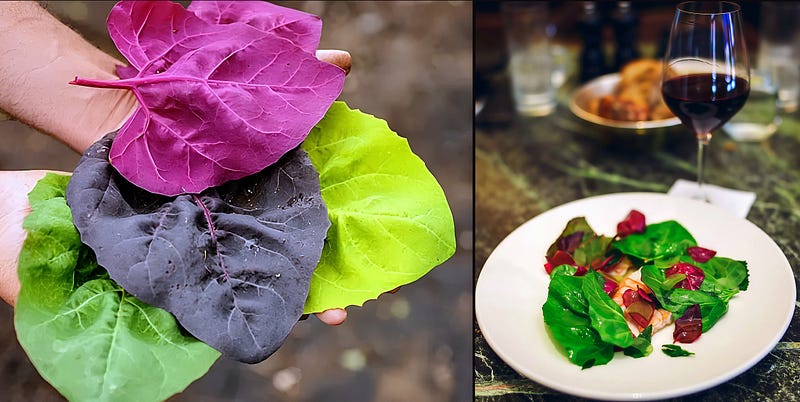
Orach belongs to the family Amaranthaceae, which also includes quinoa and amaranth. Its full scientific name is Atriplex hortensis. Known common names include garden orach, mountain spinach, red orach, and French spinach. While Atriplex hortensis is the primary cultivated species, gardeners often differentiate between its color varieties, which include red, green, and a striking golden hue. The red-leaved variety is particularly prized for its ornamental appeal and its ability to lend a dramatic contrast to salads.
Biology
This hardy annual can grow from 24 in to 72 in tall, equivalent to 61 cm to 183 cm, forming upright stems with triangular or arrow-shaped leaves. The leaves range from bright green to deep burgundy, depending on the variety. Orach thrives in both cool and warm conditions, tolerating heat better than spinach while retaining a tender texture. It produces small, inconspicuous flowers that eventually yield seeds encased in papery bracts. These seeds, about 0.1 in or 2.5 mm in diameter, can be saved for the next season, making the plant a sustainable addition to any garden. Its ability to absorb and tolerate saline soils makes it a natural candidate for areas where other vegetables struggle.
Ecology
Native to central Asia and eastern Europe, orach has naturalized across much of Europe and North America. It grows well in disturbed soils and open sunny fields, often thriving where little else does. Its salt tolerance is particularly valuable in the context of global agriculture, as rising soil salinity threatens many traditional crops. By improving biodiversity and acting as a nitrogen-friendly green, orach can be part of regenerative agricultural practices. Harvesting its leaves regularly encourages new growth, while allowing a few plants to go to seed ensures a self-sustaining garden cycle.

Uses
Orach has been cultivated for thousands of years as a nutritious leafy green. Its high adaptability and low input requirements make it appealing for both small-scale gardeners and sustainable farms. Historically, it was a staple before spinach’s widespread popularity in Europe during the Renaissance. Today, specialty markets, seed companies, and farm-to-table restaurants are rediscovering their economic potential. Beyond the fresh market, its dried seeds and leaves may hold promise for future nutraceuticals due to their mineral-rich profile.
Culinary Aspects
The flavor of orach is mild, slightly salty, and reminiscent of young spinach, though some describe a subtle nuttiness. The red variety can add visual appeal to fresh salads, while the green leaves excel in soups, stir-fries, and sautés. Cooking softens their hue but enhances their tender texture. Nutritionally, orach offers vitamin A, vitamin C, and essential minerals such as magnesium and iron. A cup of lightly steamed leaves weighs approximately 3 oz or 85 g and provides a low-calorie boost packed with antioxidants. Traditional European preparations often included combining it with butter, cream, or eggs, while modern chefs experiment with its leaves as vibrant wraps or puréed into velvety soups.
Wine Pairings
Orach’s gentle earthiness pairs elegantly with wines that echo the garden without overwhelming the palate. A crisp Sauvignon Blanc, served at 45°F or 7°C, highlights the subtle saltiness of raw leaves in salads. For cooked dishes, a lightly oaked Chardonnay at 55°F or 13°C provides a rounder complement. Adventurous pairings include dry rosé for red orach leaves and even a delicate Grüner Veltliner, whose peppery finish enhances sautéed greens. The key is to choose wines with freshness and moderate acidity to harmonize with the plant’s natural brightness.
Conclusion
Orach is more than a forgotten leafy green; it is a living bridge between heritage gardens and future food security. Its heat and salt tolerance, striking colors, and versatile flavor profile make it a plant of quiet resilience and beauty. As the world rediscovers crops that thrive in challenging conditions, Atriplex hortensis offers a reminder that innovation in sustainability often lies in the wisdom of ancient cultivation. For the gardener, chef, or environmentalist, orach stands ready to return from history to the plate.