The Crookedest State: Endemic Corruption, Racial Complexities, and the Struggle for Reform in…
The Cantrell Indictment: A Case Study in Power Abuse
The Crookedest State: Endemic Corruption, Racial Complexities, and the Struggle for Reform in Louisiana
The Cantrell Indictment: A Case Study in Power Abuse
Mayor LaToya Cantrell’s Historic Charges
New Orleans Mayor LaToya Cantrell (the city’s first Black female mayor) was indicted on August 15, 2025, on 18 federal felony counts, including wire fraud, conspiracy, obstruction of justice, and false statements. The indictment alleges she orchestrated a three-year scheme (2021–2024) with police bodyguard Jeffrey Vappie to defraud taxpayers by:
- Billing $70,000+ for 14 “security” trips to Napa Valley, Scotland, and other destinations where they engaged in personal activities.
- Using a city-owned French Quarter apartment for private rendezvous while Vappie claimed duty pay.
- Exchanging 15,000 encrypted WhatsApp messages to conceal evidence, then deleting records.
- Filing retaliatory police reports against citizens who photographed their public outings.
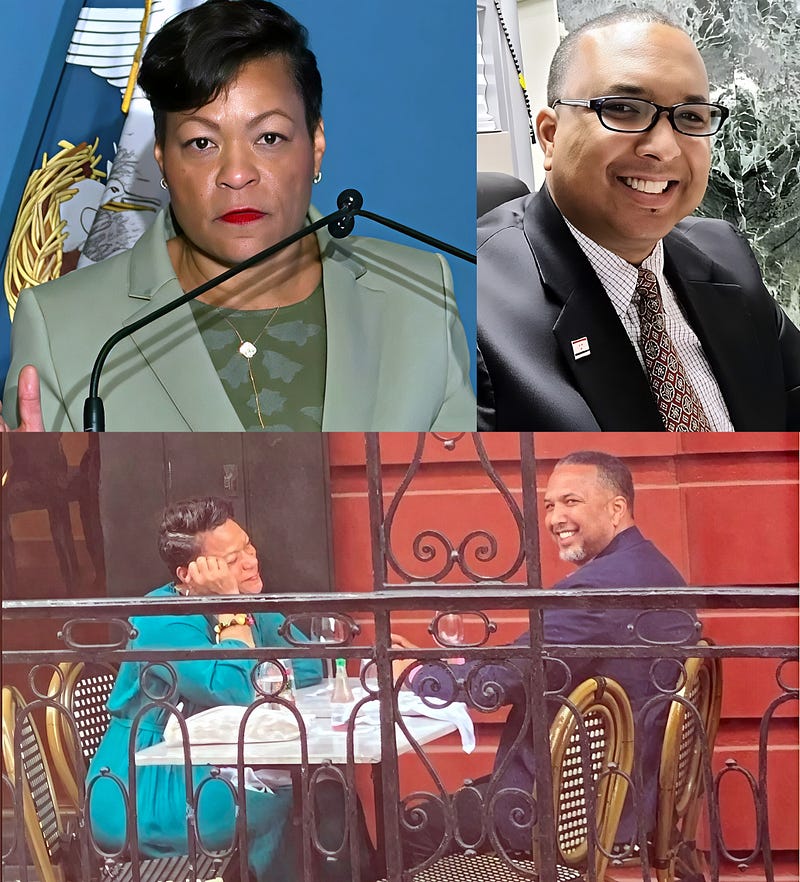
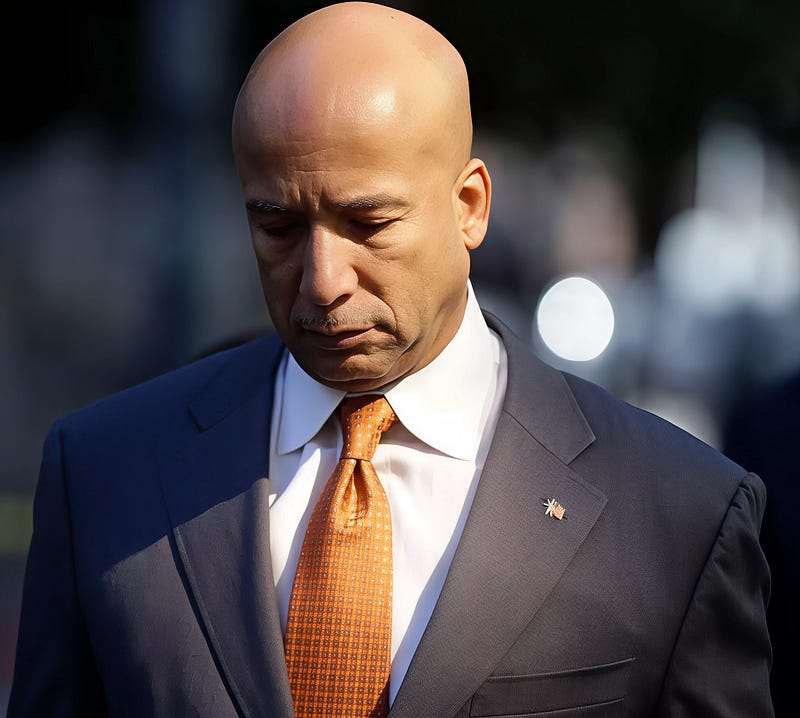
This makes Cantrell the first New Orleans mayor to be charged federally while in office, although her predecessor, Ray Nagin (also Black), was convicted post-term for Katrina-era bribery. Her case exemplifies how personal misconduct bleeds into systemic corruption: Vappie had already been charged in 2024 for fraudulently collecting $7,000 in pay during personal time with “a public official”.
Law Enforcement Corruption: From Top to Bottom
Patterns of Institutional Rot
- Visa Fraud Conspiracy (July 2025): Three current/former police chiefs (Oakdale, Forest Hill, Glenmora), a marshal, and a Subway operator were indicted in a decade-long U-visa fraud scheme. For $5,000 bribes per application, officers falsified police reports claiming immigrants were crime victims. Hundreds of fraudulent visas were issued, blocking legitimate victims from immigration relief.
- Jefferson Parish Brutality: A 2025 ACLU/ProPublica investigation revealed Black residents are 11x more likely than whites to be killed by the Jefferson Parish Sheriff’s Office (JPSO) despite being 26% of the population. Seven pending ACLU lawsuits detail systemic abuses, including the brutal jail beating of Black detainee Xavien Decquir.
- NOPD’s Mixed Record: While the NOPD touts a 91% homicide solve rate and a 20% drop in violent crime in 2025, it operates against a backdrop of historical distrust. The department remains understaffed (898 officers vs. 1,200 in 2019), relying on state troopers to fill gaps.
African-American Communities: Perpetrators, Victims, and Historical Context
The Racial Paradox of Corruption
African-Americans in Louisiana navigate a complex dynamic:
- Leadership Representation: Cantrell and Nagin symbolized breakthroughs for Black political power in a majority-Black city. Cantrell rose from post-Katrina community work to mayor, making her alleged abuses particularly demoralizing.
- Disproportionate Victimization: In Jefferson Parish, JPSO’s targeting of Black residents reflects entrenched biases. The agency refuses to adopt body cameras, investigate force complaints, or respond to records requests, creating impunity.
- Systemic Entrapment: Poverty cycles fueled by corruption ($1,308 annual per capita cost) leave Black communities vulnerable. Visa fraud schemes exploit immigrants, while police brutality reinforces marginalization.
Louisiana’s status as the most corrupt state in America stems from decades of systemic issues, criminal behavior, and a pervasive culture of lawlessness, especially in New Orleans. The federal indictment of Mayor LaToya Cantrell on fraud and obstruction charges exemplifies a longstanding trend of corruption infiltrating governance, transcending racial lines.
Beyond political corruption, New Orleans grapples with high violent crime rates, significant even amidst recent declines in homicides and carjackings. African Americans, despite their smaller demographic representation, are disproportionately involved in crime statistics as both perpetrators and victims, a reality substantiated by police reports and court documents.
Law enforcement struggles against widespread hostility and resistance from criminals, contributing to higher police shooting rates among African Americans, largely due to their involvement in violent confrontations. The intertwining of corruption among politicians and law enforcement compounds the issue. Mayor Cantrell’s alleged misconduct and scandals involving police chiefs illustrate a failure across the state’s leadership spectrum. The exploitation of power for personal gain leaves citizens vulnerable to crime.
To address these entrenched issues, it is crucial to confront the uncomfortable truths of accountability for criminals and consequences for corrupt officials. Effective law enforcement relies on a justice system committed to punishing offenders, underscoring that Louisiana’s deep-rooted problems can only be remedied through acknowledgment and action.
Historical Roots
Louisiana’s corruption culture stems from:
- Post-Reconstruction Patronage: Jim Crow-era disenfranchisement birthed political machines trading favors for loyalty.
- “Good Ole Boy” Networks: Cantrell allegedly reinstated Vappie as bodyguard after his reassignment, showcasing cronyism trumping accountability.
- Resource Starvation: Underfunded services (education ranked 46th, infrastructure 49th) create desperation fertile for bribery.
The Crime-Corruption Paradox: Declining Violence, Persistent Graft
Contradictory Trends
While corruption scandals mount, New Orleans reports notable crime reductions:
- Murders down 34% YTD 2025 (including Bourbon Street terror attack) or 61% excluding it 4
- Carjackings decreased 49% in 2024 13
- Nonfatal shootings fell 27% 4
Yet experts caution against crediting reform:
“I don’t know and I’d wager nobody else can really say why [crime is dropping] with confidence… National factors likely dominate.” — Crime analyst Jeff Asher
Governor Landry credits State Police (“Troop NOLA”), but their arrests (196) comprise just 3–4% of regional enforcement . The disconnect suggests corruption and crime operate on separate tracks — with graft more resistant to change.
Anatomy of a Crisis: Root Causes and Barriers to Reform
Why Corruption Persists
- Institutional Weaknesses: Louisiana ranks 49th in judicial accountability and 46th in public access to information, enabling cover-ups like Cantrell’s alleged evidence destruction.
- Cultural Nihilism: Voter apathy (15% local election turnout) and resigned acceptance of graft — epitomized by ex-Gov. Edwin Edwards’ slogan: “Vote for the Crook, Not the Klansman.”
- Economic Triggers: With the 2nd-highest U.S. poverty, bribery becomes survival (e.g., police chiefs taking $5k bribes in towns with median incomes under $35k).
Failed Accountability Mechanisms
- Federal prosecutors focus on high-profile cases (Cantrell, Nagin) but overlook systemic issues like JPSO’s documented brutality.
- Body camera mandates ignored, and FOIA requests stonewalled.
- Whistleblowers face retaliation, as when Cantrell allegedly harassed subordinates.
Pathways to Reform: Struggle and Resistance
Emerging Counterforces
- Federal Intervention: U.S. Attorney’s Office expanded probes following ACLU’s demand to investigate JPSO.
- Grassroots Advocacy: ACLU’s Justice Lab has filed 7 lawsuits against Jefferson Parish agencies since 2024.
- Operational Improvements: NOPD’s Joint Tactical Intelligence Group (with ATF/HSI) made 100+ arrests, showing interagency collaboration works.
Unfinished Work
True reform requires:
- Transparency Laws: Mandate body cameras, independent audits, and real-time expense tracking.
- Community Oversight: Civilian review boards with subpoena power over police.
- Economic Justice: Redirecting funds from corrupt contracts ($1,308/resident) to schools and infrastructure.
- Cultural Shift: Breaking “crook vs. klansman” false choices by supporting ethical Black leaders.
Conclusion: The Weight of History and Flickers of Hope
Louisiana’s corruption remains “endemic” not because African-Americans are inherently prone to crime, but because historical disenfranchisement created systems where power — whether wielded by Black mayors or white sheriffs — operates with impunity. The Cantrell and JPSO scandals reveal a shared playbook: exploit authority, destroy evidence, and intimidate challengers. Yet declining violent crime and federal indictments signal that sustained pressure can disrupt cycles of graft. As NOPD Superintendent Kirkpatrick noted, the goal isn’t just statistics but “a decrease in victims” 4 — of both street violence and state-sanctioned corruption. For Louisiana to shed its “crookedest” label, it must confront not just indicted individuals, but the century-old ecosystem that trades hope for kickbacks.