The Elephant Ear Gourami: A Giant of Southeast Asian Waters
Introduction
Introduction
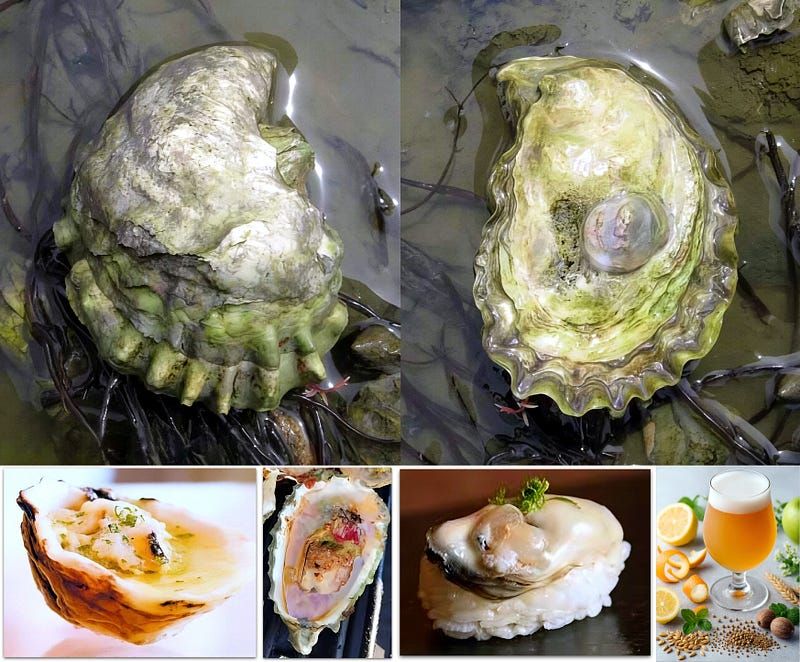
The Elephant Ear Gourami (Osphronemus exodon) is one of the freshwater world’s most fascinating giants. Native to the rivers and floodplains of mainland Southeast Asia, this species combines striking physical features with ecological importance and culinary value. Unlike its better-known relative, the Giant Gourami (Osphronemus goramy), the Elephant Ear Gourami remains far less recognized internationally, yet it plays a significant role in local fisheries, food traditions, and biodiversity. Its story is one of adaptation, cultural relevance, and the growing tension between demand and sustainability.
Taxonomy
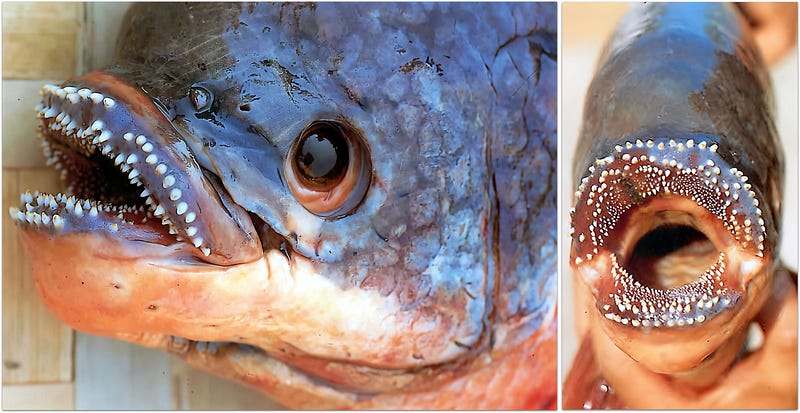
The Elephant Ear Gourami belongs to the family Osphronemidae, which includes gouramis and climbing perch, all notable for their labyrinth organs that allow them to breathe air at the water’s surface. Within the genus Osphronemus, it stands out from the more commercially familiar Giant Gourami through its dentition and distinctive morphology. The species’ scientific name, Osphronemus exodon, reflects its unusual dental arrangement — “exodon” meaning “outer teeth.” Common names include Elephant Ear Gourami and sometimes False Giant Gourami, though the latter causes confusion with other species. While it is not split into formal subspecies, wild populations show regional variation in coloration and body size.
Biology
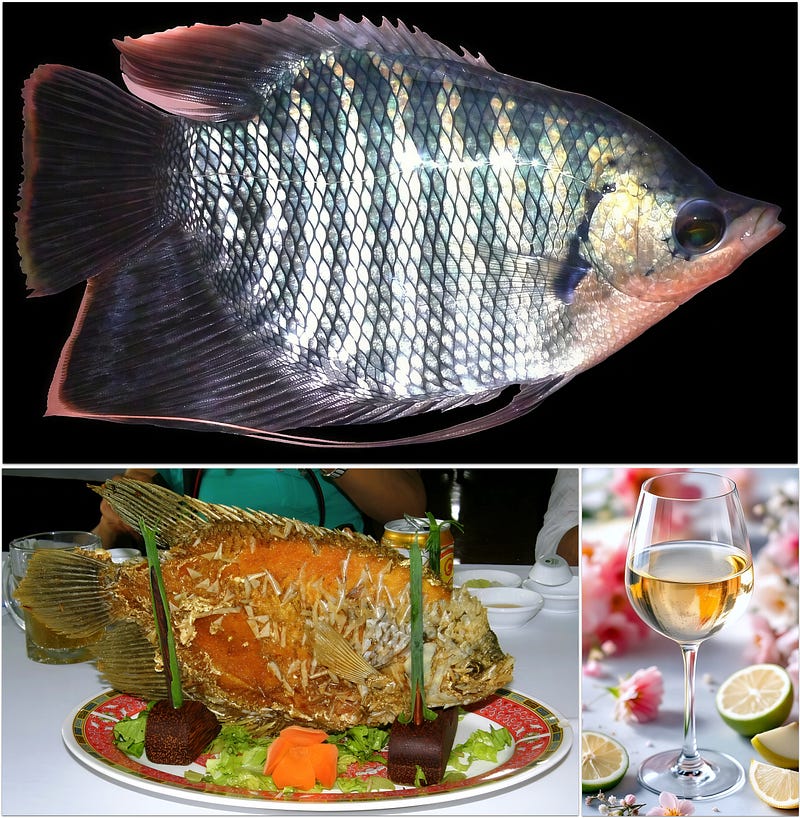
This fish can reach lengths of nearly 24 in (about 60 cm) and weights exceeding 22 lb (10 kg). Its body is deep and laterally compressed, with broad, rounded fins that resemble the flared ears of an elephant, giving rise to its common name. The head is proportionally large, with strong jaws lined with prominent teeth that set it apart from other gouramis.
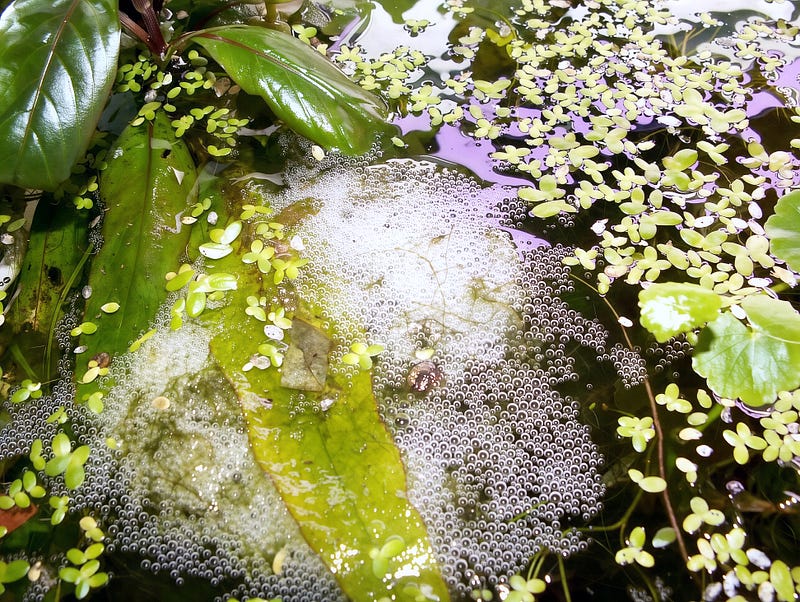
Like its relatives, it possesses a labyrinth organ, enabling it to survive in warm, oxygen-poor waters where other large fish would struggle. Its life cycle is relatively long, with individuals capable of living more than 20 years under optimal conditions. Reproduction involves nest building and parental care, behaviors characteristic of gouramis. The males construct bubble nests or prepare substrate areas, then guard eggs and fry.
Ecology
The Elephant Ear Gourami inhabits slow-moving rivers, floodplain lakes, and swamp forests of the Mekong basin and surrounding drainages. Seasonal flooding is central to its ecological role, as the fish disperses into inundated forests during high water to feed and breed, then retreats to deeper channels when levels recede. It is primarily herbivorous, consuming aquatic vegetation, fruits, and occasionally invertebrates.

As a large-bodied omnivore, it shapes plant dynamics in floodplain ecosystems, contributing to seed dispersal and vegetation control. However, habitat destruction, overfishing, and the damming of major rivers have placed increasing pressure on wild populations. Aquaculture has emerged as a response, though it raises questions about ecological footprint and genetic diversity.
Uses
Local communities prize the Elephant Ear Gourami for food, cultural significance, and market value. Its flesh is firm and mild, making it highly versatile. The fish is sold fresh, dried, and salted in village markets across Laos, Cambodia, and Thailand. Due to its size, a single specimen can provide substantial protein for a household or commercial sale.
From an economic standpoint, the fish is gaining traction in aquaculture because of its hardiness and ability to feed on plant matter, reducing reliance on expensive fishmeal. Its slow growth compared to tilapia or pangasius is a limiting factor, but its premium taste and size keep demand steady. Sustainable practices — such as polyculture systems and habitat-sensitive harvests — are increasingly necessary to ensure long-term availability.
Culinary Aspects
The Elephant Ear Gourami’s meat is lean yet flavorful, with a delicate balance between sweetness and umami. The taste profile is clean and mild, avoiding the muddiness sometimes associated with freshwater species. Its aroma is subtle when fresh, becoming nutty and savory when grilled or dried.
In terms of mouthfeel, the flesh is firm and slightly flaky, making it adaptable to diverse cooking methods. The texture remains intact whether deep-fried, steamed, or braised. Properly prepared, the finish lingers with a clean, faintly sweet aftertaste.
Culturally, it appears in traditional dishes such as whole grilled preparations over charcoal in Cambodia or steamed fish with herbs in Thailand. Nutritionally, a 100 g (3.5 oz) serving provides about 20 g of protein with minimal fat, making it a healthy choice in regions where fish is a dietary cornerstone.
Wine Pairings
The mild but structured flavor of the Elephant Ear Gourami pairs best with wines that enhance without overwhelming. A crisp Sauvignon Blanc highlights its herbal notes, particularly when the fish is steamed with lemongrass or lime. For grilled or fried preparations, a lightly oaked Chardonnay offers balance, complementing both the firmness of the flesh and any smoky finish. In spicier regional dishes, an off-dry Riesling provides contrast, soothing the palate while allowing the fish’s natural sweetness to emerge. Also recommended: Santorini Assyrtiko, Etna Bianco (Carricante), Lugana (Turbiana), Jurançon Sec (Petit Manseng), Scheurebe (feinherb), Valdeorras Godello, Manzanilla Sherry, Timorasso (Colli Tortonesi), Moschofilero (Mantinia), Savagnin “ouillé” (Jura), Grüner Veltliner Smaragd (Wachau), Dry Tokaj Furmint, Ribolla Gialla / Rebula (skin-contact), Ribeira Sacra Mencía, Txakolina (Hondarrabi Zuri)
Conclusion
The Elephant Ear Gourami embodies both the promise and the challenges of freshwater biodiversity in Southeast Asia. Its biology reflects adaptation to dynamic river systems, its cultural role underscores the bond between people and water, and its culinary appeal highlights the deep intersection of ecology and gastronomy. As pressures on wild populations mount, the path forward lies in balancing demand with sustainability, ensuring that future generations can continue to experience both the ecological richness and the unique flavors this remarkable fish provides.