The Fiery Secret of the Pepper Coast: Grains of Paradise and the Lost Spice of West Africa
Introduction In the humid rainforests of West Africa grows a spice that once rivaled black pepper in Europe’s royal kitchens — the Grains…
Introduction
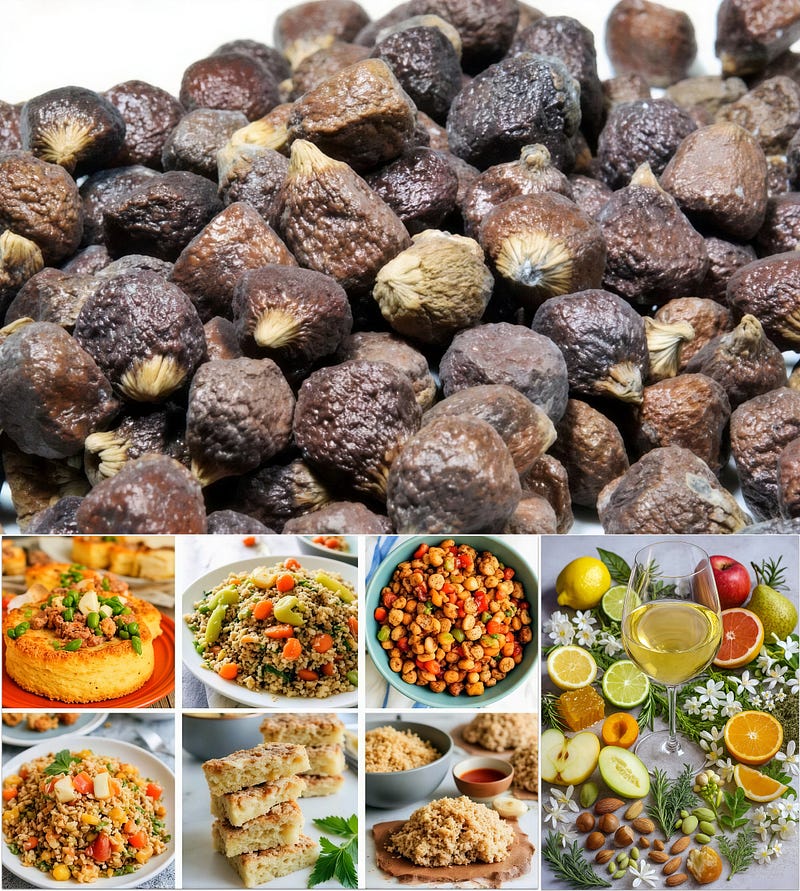
In the humid rainforests of West Africa grows a spice that once rivaled black pepper in Europe’s royal kitchens — the Grains of Paradise, scientifically known as Aframomum melegueta. Aromatic, pungent, and deeply woven into African trade and ritual life, this seed became a symbol of exotic wealth and global connection during the Age of Exploration. Today, chefs, brewers, and herbalists are rediscovering its complex heat — a reminder that the old spice routes never truly closed; they merely changed direction.
Taxonomy
Aframomum melegueta belongs to the family Zingiberaceae, the same family as ginger and cardamom. Its taxonomic hierarchy is: Kingdom Plantae, Division Magnoliophyta, Class Liliopsida, Order Zingiberales, Family Zingiberaceae, Genus Aframomum, Species A. melegueta.
Common names include “Grains of Paradise” or “Melegueta pepper” in English; “Malagueta” (Portuguese, Angola and Brazil); “Maniguette” (French, Côte d’Ivoire); “Ataré” (Yoruba, Nigeria); “Mbongo spice” (Cameroon); and “Hwentia” (Akan, Ghana). These regional vernaculars reflect both culinary reverence and spiritual use. While there are several Aframomum species, A. melegueta remains the principal edible and commercial variety.
Biology
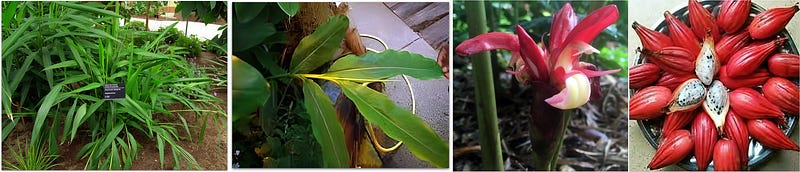
Aframomum melegueta is a perennial herb reaching about 1.5 m (4.9 ft) in height. It bears narrow, lanceolate leaves and striking pink to orange flowers at the plant’s base. The fruit is a reddish pod roughly 5 cm (2 in) long, containing numerous small, reddish-brown seeds with a peppery taste. Propagation occurs via rhizomes, and flowering typically peaks during the wet season. Pollination is assisted by sunbirds and forest insects, ensuring genetic diversity in dense understory environments. The seed’s pungency derives from aromatic ketones like (6)-paradol and gingerol analogs, which stimulate trigeminal nerve receptors similar to capsaicin in chili peppers.
Ecology
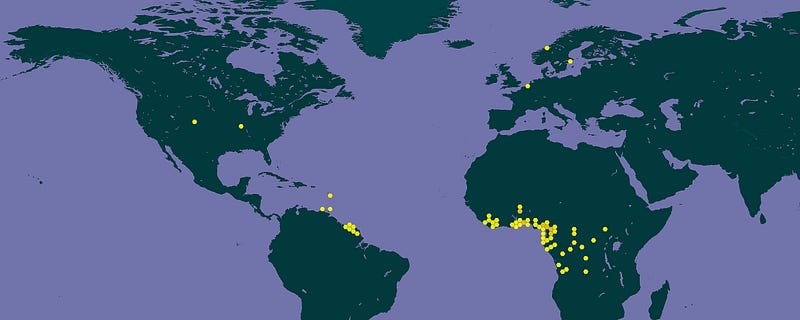
Native to the coastal rainforests of Ghana, Liberia, Nigeria, and Sierra Leone, the plant thrives in humid tropical conditions at elevations below 800 m (2,625 ft). It prefers rich, loamy soils with high organic matter. Ecologically, it stabilizes forest floors, supports pollinator diversity, and contributes to the undergrowth biomass vital for carbon cycling. Sustainable harvesting practices are essential, as overcollection from the wild has reduced natural stands in some regions. Agroforestry systems that integrate Aframomum under shade crops such as cocoa have shown potential for both biodiversity protection and income diversification.
Uses
The edible part is the seed, though the fruit husk also yields aromatic extracts. Grains of Paradise are dried and ground, producing a spice with pepper-like heat, hints of cardamom, citrus, and nutmeg. In traditional West African cuisine, it seasons soups, meats, and fermented fish stews. In Europe, during the 14th–16th centuries, it was a prized pepper substitute used in sausages, mulled wine, and sauces. The seeds are harvested at maturity, sun-dried, and sometimes smoked for preservation. Typical yields in cultivated systems range from 800–1,200 kg/ha (715–1,070 lb/acre). Each 100 g (3.5 oz) provides approximately 280 kcal, rich in manganese, calcium, and volatile oils.
Key active constituents include paradols, shogaols, and gingerols, exhibiting antioxidant, anti-inflammatory, and mild thermogenic effects. Medicinally, it has been used as a digestive stimulant and aphrodisiac. Extracts appear in capsule, tincture, and essential oil form, with clinical evidence limited but supportive for metabolic enhancement. No major toxicity has been recorded at culinary doses, though concentrated extracts may irritate mucous membranes. Regulatory approval exists in the EU as a flavoring agent and in the U.S. as “generally recognized as safe” (GRAS).
In livestock feed, residual seed cake contains 12–15% protein, contributing moderate nutritive value but limited palatability. It may function as an antimicrobial feed additive. Agricultural byproducts can be composted, improving soil organic carbon by 0.2–0.4% annually. Its essential oil, obtained by steam distillation, is employed in cosmetics for spicy-fruity perfumes and warming massage blends. Industrial extraction uses ethanol or CO₂ supercritical methods, yielding 0.3–0.6% oil content by weight.
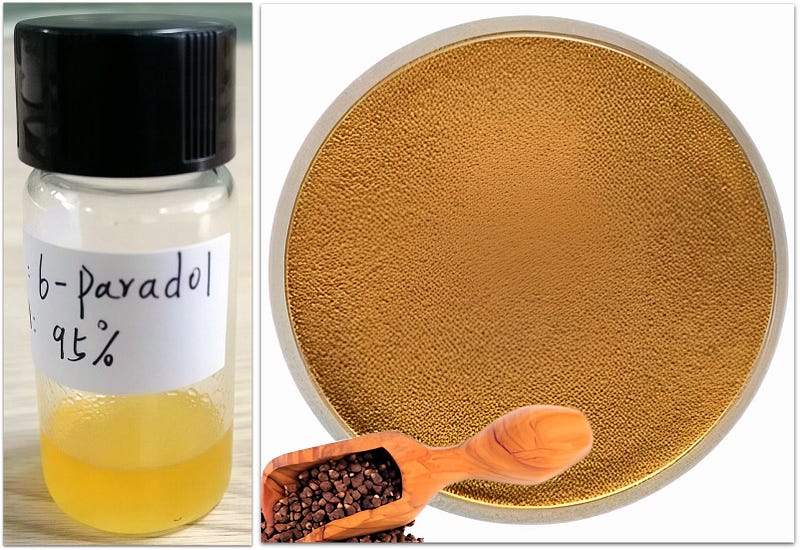
Culturally, Aframomum melegueta symbolizes purity and strength. Among Yoruba priests, the seeds are used in divination rites. In the early Atlantic trade, they were once called “Guinea grains,” forming a bridge between African economies and European explorers.
Commercially, Grains of Paradise fetch between USD 40–80 per kg (USD 18–36 per lb) depending on origin and quality. Ghana, Nigeria, and Liberia remain primary producers, while boutique spice companies in France, the UK, and the U.S. have revived demand. Certification under organic and fair-trade schemes is growing, driven by traceability requirements and consumer interest in heritage crops.
Culinary Aspects
The flavor profile of Grains of Paradise is intricate — hot like black pepper yet floral like cardamom, with a lingering citrus finish. The aroma evokes ginger and orange peel, while the mouthfeel delivers a dry, tingling heat (chemesthesis) without the burning persistence of chili. When crushed, the seeds release volatile oils that balance savory and sweet notes, making them suitable for both game and chocolate. In modern gastronomy, they are used in spice rubs for lamb, roasted vegetables, and craft gin. Toasting the seeds at 150°C (302°F) enhances their nutty undertones, while grinding them cold preserves delicate aromatics. Their heat dissipates with prolonged cooking, so chefs often add them near the end of preparation.
Nutritionally, they contain essential oils, flavonoids, and trace minerals that promote digestion and provide mild thermogenic benefits. Traditional pairings include goat meat, smoked fish, and fermented cassava. The spice’s balance of citrus and heat lends itself to experimental desserts, such as dark chocolate truffles or pear compote with honey.
Wine Pairings
The complex, citrus-cardamom heat of Grains of Paradise demands wines that can mirror its aromatic lift while tempering spice intensity. A white Torrontés from Salta, Argentina, with notes of lychee and rose, pairs elegantly with seafood seasoned with Aframomum for its aromatic echo and acidity. For red meat dishes using the spice, a Blaufränkisch from Austria offers peppery tannins and bright cherry to complement the warm bite. In poultry or vegetable dishes, a Vermentino from Sardinia aligns with the spice’s citrus element while maintaining freshness. For desserts incorporating the spice — such as chocolate mousse — a Recioto della Valpolicella, rich in dried fruit sweetness, offsets the heat and enriches the finish. Each pairing underscores sensory alignment between aromatic structure, acidity, and textural resonance.
Conclusion
Grains of Paradise represent more than an ancient spice — they embody a crossroads of ecology, commerce, and culture. From the rainforest understory to Michelin-starred kitchens, Aframomum melegueta connects biodiversity with human creativity. Its sustainable revival mirrors a broader culinary movement: one that values terroir, tradition, and traceability. In an era rediscovering authentic flavor and ethical sourcing, this fiery seed from West Africa’s Pepper Coast reminds the world that true luxury begins in the soil.