The Fiery Secrets of Alligator Pepper: A Spice Bridging Nature, Culture, and Sustainability
Alligator pepper is a spice that carries an almost mythical weight in the cultures that treasure it. At first glance, the name itself…
Alligator pepper is a spice that carries an almost mythical weight in the cultures that treasure it. At first glance, the name itself sparks curiosity, conjuring images of wild rivers and untamed forests. But beneath that evocative name lies a plant whose biology, culinary value, and cultural resonance weave together a story as rich and complex as the spice’s flavor. In a world searching for sustainable crops and authentic tastes, alligator pepper offers something truly rare: a bridge between tradition and innovation, between the soil’s quiet gifts and humanity’s endless appetite for sensory delight.
Taxonomy and Identity
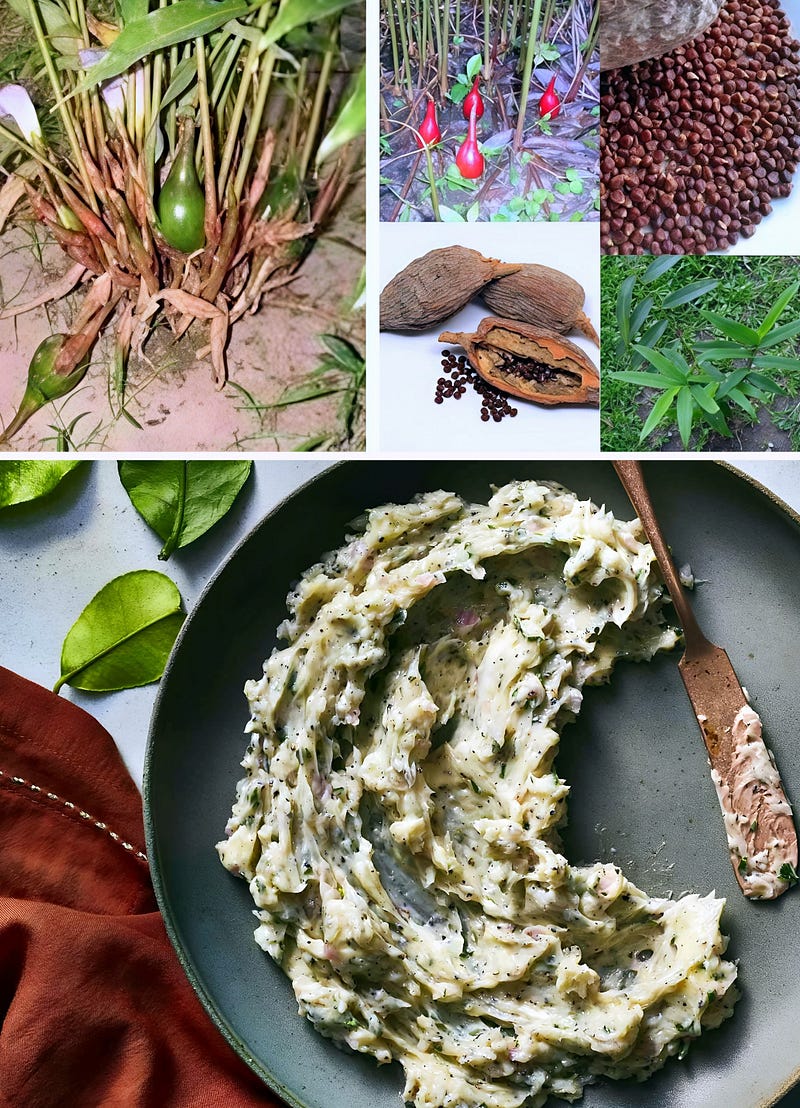
Scientifically known as Aframomum melegueta, alligator pepper belongs to the Zingiberaceae family, the same botanical lineage that gives us ginger, cardamom, and turmeric. Within this genus, several closely related species share overlapping uses, but Aframomum melegueta is the most revered for its culinary potential. Its seeds, tightly packed within pods that crack open like miniature treasure chests, are what the world has come to know as grains of paradise or guinea pepper. Local farmers often distinguish subtle regional varieties, some noted for sharper heat or a lingering citrusy perfume, others preferred for medicinal infusions.
Biology: A Spice Born of Resilience
The plant itself is a vision of tropical elegance, bearing lance-shaped leaves that gleam under the dappled light of West African understories. Its flowers are pale and delicate, but the true prize lies in the fruit: oblong pods that conceal seeds armored with a tough outer layer. These seeds develop over several months, ripening beneath the dense canopy where humidity and warmth conspire to nurture their complex chemistry. Each seed is a reservoir of pungent essential oils and compounds like paradol and gingerol, adaptations that protect against pests while giving the spice its signature peppery bite. It is a testament to evolution’s poetry — an unassuming plant developing defenses that humans have turned into culinary gold.
Ecology and the Forest’s Balance
Alligator pepper thrives in the humid lowland forests of West and Central Africa, where it often grows semi-wild along riverbanks and under cultivated cocoa and palm groves. In these ecosystems, it plays a subtle but vital role, feeding insects and small mammals that disperse its seeds. Conservationists are taking note of its value as a non-timber forest product, a crop that can incentivize the preservation of forests by offering local communities an income source without clearing land. Sustainability initiatives are emerging to ensure wild populations are not overharvested, and to encourage agroforestry systems that weave alligator pepper into existing farmlands, preserving biodiversity while securing livelihoods.
Uses Beyond the Spice Rack
While the culinary fame of alligator pepper stretches from Nigerian markets to gourmet kitchens in Paris and New York, its uses go far beyond food. Traditional medicine employs it for digestive issues, postpartum recovery, and as a ritual offering during ceremonies. In global trade, the spice has become a niche yet growing commodity, particularly prized in craft brewing, artisanal chocolate, and high-end restaurants seeking flavors that tell a story. Its market value remains modest compared to vanilla or saffron, but its reputation as an ethical, sustainable spice is giving it new traction among entrepreneurs and farmers eager to combine profit with stewardship.
Culinary Magic and Sensory Delight
Cracking open a pod of alligator pepper releases a fragrance that is at once earthy, floral, and fiery. On the tongue, it begins with a warm, gingery heat before unfolding into citrus zest and a subtle smokiness, an evolving experience that chefs adore. In West African cuisine, it lends depth to pepper soup, enriches jollof rice, and adds intrigue to goat stews. I remember tasting it for the first time in a Ghanaian village, where a home cook crushed the seeds with a mortar and pestle, their aroma mingling with the evening air. The dish was humble yet unforgettable, a reminder that great flavor often begins with small, patient rituals.
Wine Pairings with a Global Flair
Pairing wine with alligator pepper is an art worth exploring. The spice’s heat and citrus notes find harmony with an off-dry Riesling, whose gentle sweetness tempers the burn while bright acidity mirrors the pepper’s zest. A well-structured Gewürztraminer with its floral aromatics can elevate dishes featuring alligator pepper, while a lighter Pinot Noir works beautifully when the spice is used to season red meats, creating a dialogue between spice and fruit that lingers on the palate.
A Spice with a Future
Alligator pepper is more than a condiment; it is a legacy plant, carrying centuries of cultural memory while pointing toward a sustainable future. As global consumers grow hungry for authentic flavors and ethical sourcing, this spice stands ready to step out of obscurity and onto the world stage. To taste alligator pepper is to taste resilience, tradition, and the quiet triumphs of those who cultivate the forest without destroying it. In an age where every bite tells a story, few ingredients speak as eloquently as this fiery seed of paradise.