The Fire of Saigon Cinnamon: Cinnamomum loureiroi and Its Global Journey
Introduction
Introduction
Few spices carry the fiery reputation of Saigon cinnamon, also known as Vietnamese cassia. Behind its intoxicating sweetness and heat lies a story of biology, trade, and sustainability. This species, Cinnamomum loureiroi, is not merely a kitchen staple but a cultural emblem of Vietnam, shaping cuisines and economies alike. From the spice routes of antiquity to modern health debates, Saigon cinnamon is as much a force of history as it is of flavor.
Taxonomy
Saigon cinnamon belongs to the Lauraceae family, which also includes avocados, bay laurel, and camphor trees. Its full classification is Cinnamomum loureiroi Nees, a tree native to central and northern Vietnam. While often confused with Cinnamomum verum (true Ceylon cinnamon) and Cinnamomum cassia (Chinese cinnamon), C. loureiroi distinguishes itself with its potency.
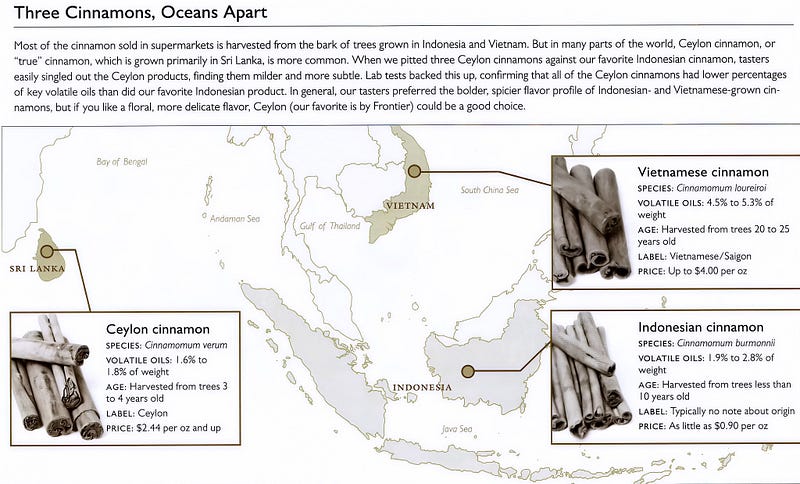
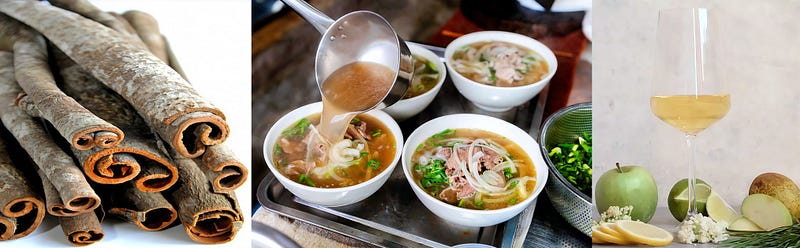
In markets, it is commonly labeled as Saigon cinnamon or Vietnamese cassia, and its bark is the most frequently used edible part. Unlike Ceylon’s delicate quills, Vietnamese cinnamon offers thick, rugged bark strips packed with volatile oils.
Biology
This evergreen tree can reach 15–20 m (49–66 ft) in height, producing glossy leaves and small yellow-white flowers. The spice is derived from the inner bark, harvested once the tree reaches maturity at around ten years. Its defining biological trait is its high cinnamaldehyde content — up to 25%, compared to about 5–10% in Ceylon cinnamon. This chemical not only creates its bold aroma but also accounts for its biting sweetness and medicinal qualities. The bark is harvested, dried, and curled into sticks, releasing a fragrance that lingers in the air long after processing.

Ecology
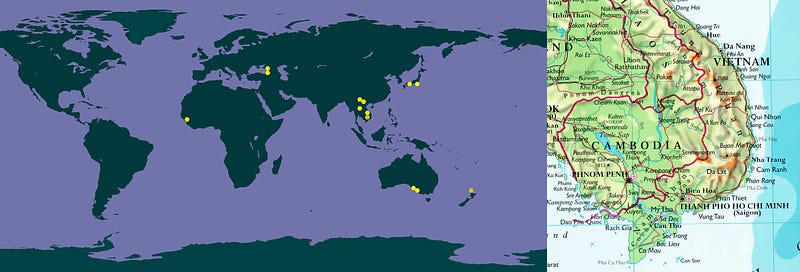
Cinnamomum loureiroi thrives in the tropical monsoon climate of Vietnam, preferring well-drained soils and elevations of 500–1,000 m (1,640–3,280 ft). Historically, it was cultivated in Quảng Nam and Quảng Ngãi provinces, where cinnamon forests still stand as living legacies of spice culture. However, overharvesting and deforestation have threatened wild populations. Sustainable cultivation now requires a balance between traditional forestry and modern agroforestry practices, ensuring cinnamon groves regenerate while meeting global demand. Climate change presents another challenge, as shifting rainfall patterns endanger seedling survival.
Uses
Beyond its culinary fame, Saigon cinnamon has been a prized commodity for centuries. In ancient medicine, it was prescribed as a digestive aid and aphrodisiac. Today, it remains vital in the spice trade, contributing significantly to Vietnam’s agricultural exports. However, its high coumarin levels — a compound in many cassia varieties — raise health concerns when consumed in excess. The modern cinnamon market thus faces a paradox: its strongest-selling attribute, potency, must be balanced with careful moderation. Economically, Vietnam exports both raw cinnamon sticks and powdered cinnamon, fueling global spice blends, teas, and supplements.
Culinary Aspects
Saigon cinnamon is culinary dynamite. Its heat and intensity make it a star in Vietnamese pho broth, where just a few sticks can perfume an entire pot. Bakers worldwide prize it for its ability to cut through the richness of butter and sugar, making it a favorite in cinnamon rolls, apple pies, and mulled wines. Compared to Ceylon cinnamon’s subtle floral notes, Vietnamese cassia offers sharp, sweet-spicy boldness, reminiscent of red-hot candies. Nutritionally, it provides antioxidants, trace minerals like manganese, and potential anti-inflammatory effects. Its commanding profile ensures it never plays background — it demands the center of the stage.
Wine Pairings
Pairing wine with cinnamon is a lesson in balancing spice and sweetness. Dessert wines such as Sauternes or Tokaji amplify cinnamon’s warmth with their honeyed notes. A robust Zinfandel, with its jammy fruit and peppery edge, stands up to cinnamon in savory stews or roasted meats. For spiced desserts like cinnamon-laden rice pudding or apple tart, a German Riesling Spätlese offers contrast, with bright acidity cutting through the richness while dancing with the spice. In each case, the wine does not overpower but harmonizes with cinnamon’s fire.
Conclusion
Saigon cinnamon is more than bark scraped from a tree; it is history, culture, and ecology intertwined. From the tropical forests of Vietnam to the shelves of global kitchens, it tells a tale of resilience and complexity. The future of Cinnamomum loureiroi depends on sustainable cultivation that honors tradition while protecting biodiversity. Its flavor may be fiery, but its story is enduring — a reminder that the world’s most precious spices are both gifts and responsibilities.