The Fragrant Healer: Exploring Vietnamese Balm (Elsholtzia ciliata)
Introduction
Introduction
Some plants live quietly in the margins of fields, hedgerows, and markets, known intimately by villagers but almost invisible on the global stage. Vietnamese balm, Elsholtzia ciliata, is one such treasure. Its lemony fragrance drifts through kitchens across Southeast Asia, where it flavors broths and soothes ailments alike. Yet behind its humble appearance lies a fascinating story of taxonomy, resilience, and culinary artistry — an herb that unites culture, science, and sustainability.
Taxonomy
Elsholtzia ciliata belongs to the mint family, Lamiaceae, alongside basil, rosemary, and thyme. Its genus, Elsholtzia, comprises about 40 species scattered from Central Asia to East Asia. Known in Vietnam as “rau kinh giới,” it is also called Vietnamese lemon balm, Crested late-summer mint, or sometimes even simply “mint” in English markets — though it is not the same as Melissa officinalis. Within culinary circles, no distinct edible subspecies dominate, but regional variations in leaf size and aroma are noted by farmers.
Biology
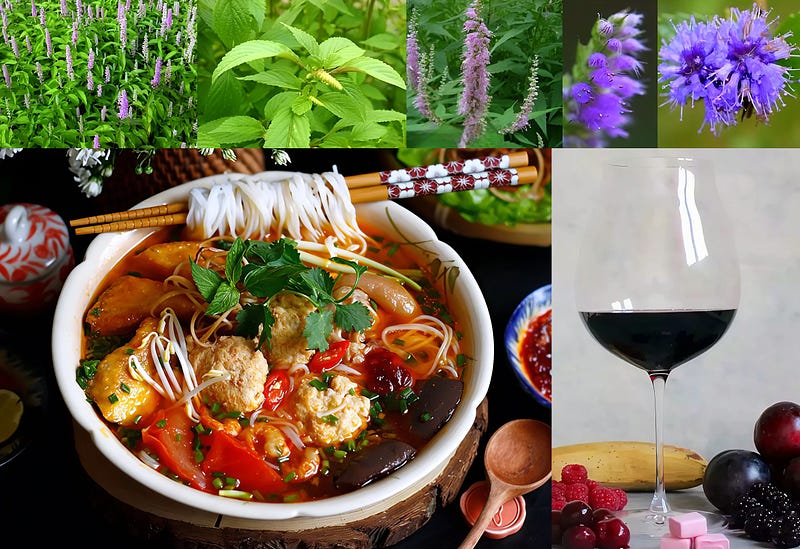
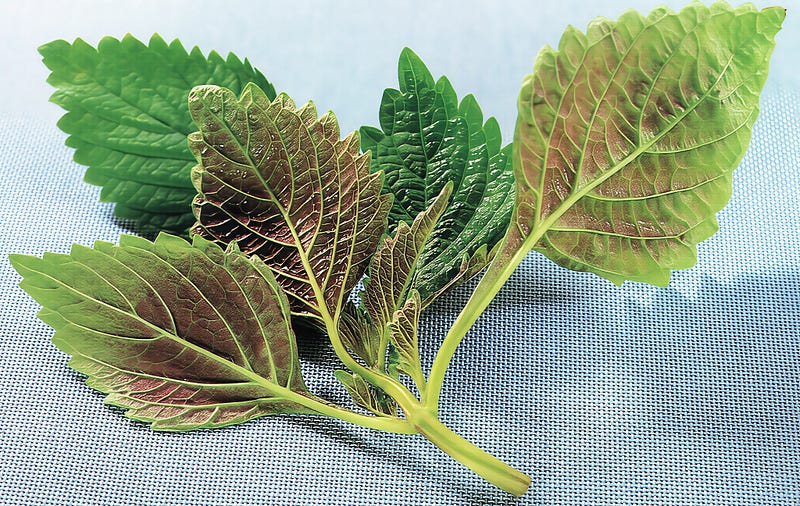
This annual herb grows to about 60–150 cm tall, or roughly 2–5 ft, its stems square and hairy — a hallmark of the mint family. Its leaves, serrated and aromatic when crushed, release a citrusy scent tinged with pepper. The plant blooms in late summer, producing dense spikes of small, purple to pink flowers. Adapted to warm, humid climates, it completes its life cycle within a single growing season, thriving where soils are moderately moist and rich.
Ecology
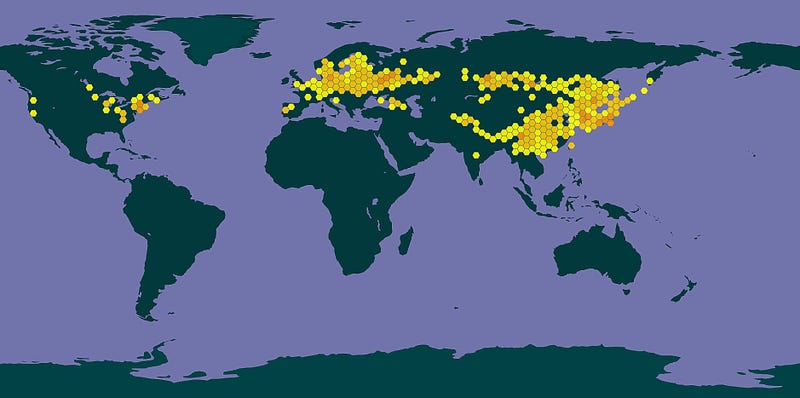
Native across much of Asia, Elsholtzia ciliata grows wild in fields, riverbanks, and roadsides. It tolerates a wide range of soils, an adaptation that makes it both resilient and useful as a low-maintenance crop. Ecologically, it supports pollinators during its late flowering season, offering nectar to bees and butterflies when other plants fade. Sustainable cultivation practices, such as intercropping with rice or vegetables, have allowed farmers to minimize pesticide use while preserving biodiversity.
Uses
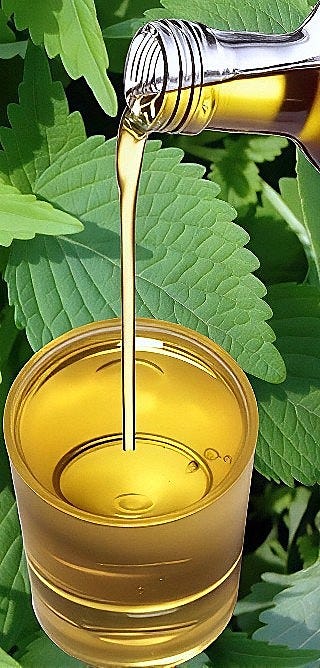
Beyond the kitchen, Vietnamese balm has long served as medicine. Traditional remedies use their essential oils — rich in citral and limonene — to treat colds, digestive troubles, and skin irritation. Distillation of its oils fuels small-scale industries in Vietnam, China, and Korea, where it is valued for both fragrance and therapeutic properties. In an era of sustainability, its hardy growth and low input needs make it a promising crop for herbal economies, as it requires little irrigation or chemical fertilizer.
Culinary Aspects
The flavor of Vietnamese balm is unmistakable — brightly lemony yet edged with a slight peppery bitterness. In Vietnam, it is essential in bún (vermicelli noodle dishes), phở, and summer rolls, where it cuts through richness and balances umami. Fresh leaves are torn and scattered over steaming bowls of soup, their aroma blooming instantly in the rising heat. Nutritionally, the herb offers antioxidants and vitamin C, modest but welcome contributions to the diet. While often eaten raw, it can also be infused into teas, lending a restorative freshness.
Wine Pairings
Pairing wine with herbs may seem unusual, but Vietnamese balm’s lemon-pepper notes offer intriguing possibilities. A crisp Sauvignon Blanc, with its grassy citrus bouquet, mirrors and elevates the herb’s brightness. A dry Riesling, especially one from the Mosel with 12% ABV or slightly under 750 mL bottle, balances spice and acidity with a mineral backbone. For those who prefer red, a young Beaujolais at around 13°C (55°F) serves chilled to accentuate its fruitiness works harmoniously with Vietnamese balm’s sharp edges.
Conclusion
Vietnamese balm is more than a garnish — it is a cultural bridge, a botanical curiosity, and a sustainable crop wrapped into one aromatic leaf. It connects generations of farmers and cooks, embodies ecological resilience, and enriches the global table with its citrusy spark. In its delicate leaves, we glimpse the power of small things: a reminder that even the humblest herb can carry stories of land, people, and future sustainability.