The Fragrant Secret of Yerba Buena: Nature’s Healing Mint
Introduction
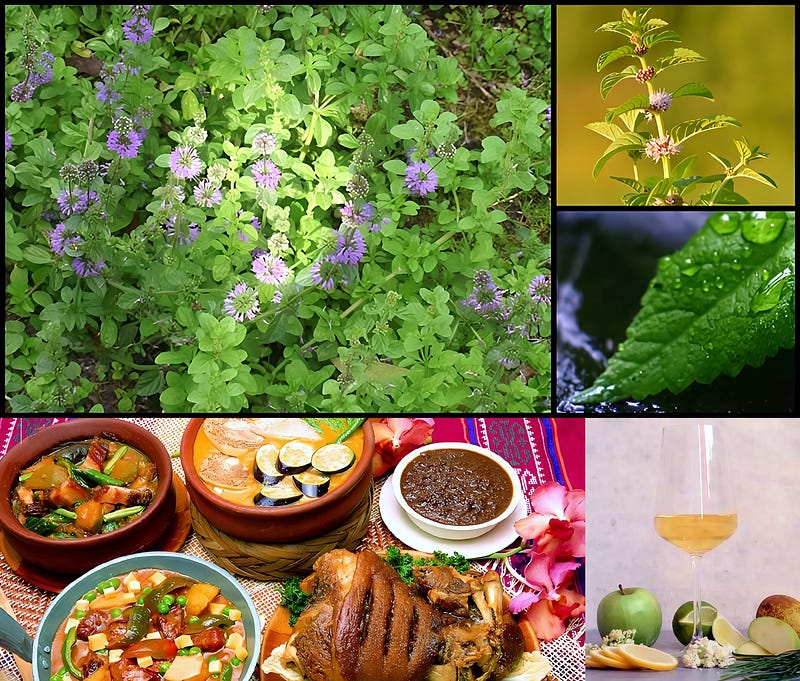
Introduction
In the shaded understory of coastal forests, a low, creeping plant releases a perfume that is both ancient and immediate. This is yerba buena, known to botanists as Micromeria douglasii (sometimes classified as Clinopodium douglasii), a mint with a reputation that transcends its size. For centuries, indigenous communities, settlers, and herbalists have turned to its fragrant leaves for healing, refreshment, and even companionship at the table. Today, as global interest in sustainable herbs and culinary biodiversity grows, yerba buena stands as a gentle yet powerful reminder that small plants can carry immense cultural and ecological weight.
Taxonomy
Yerba buena belongs to the mint family, Lamiaceae, a lineage famous for aromatic herbs such as basil, thyme, and oregano. Its scientific name, Micromeria douglasii, honors Scottish botanist David Douglas, who cataloged much of the flora of the American West. Common names include “Douglas’ mint” and simply “yerba buena,” Spanish for “good herb.” Unlike cultivated mint varieties, it grows wild in shaded woodlands and damp ravines. Some botanists treat it as part of the genus Clinopodium, reflecting ongoing debates in plant taxonomy.
Biology
This perennial creeper rarely exceeds 6 in (15 cm) in height, but it spreads rapidly through slender, rooting stems. Its oval leaves, 1–2 in (2.5–5 cm) long, release a crisp mint fragrance when bruised. Delicate white to pale lilac flowers emerge in summer, attracting bees and other pollinators. The plant thrives in cool, moist environments, spreading both by seed and vegetative growth. Adapted to shaded forest floors, it conserves water by keeping close to the soil, and its evergreen leaves ensure year-round vitality.
Ecology
Yerba buena is native to the Pacific coast of North America, ranging from British Columbia to California. It prefers coastal scrub, redwood forests, and oak woodlands where fog and shade provide steady moisture. As a groundcover, it stabilizes soil and provides habitat for insects and small wildlife. Sustainable foraging practices are crucial: while common in some areas, overharvesting and habitat disturbance threaten local populations. Cultivation in home gardens has become a sustainable alternative, allowing enthusiasts to enjoy the herb without depleting wild stands.

Uses
For centuries, Native American tribes such as the Ohlone and Coast Miwok brewed yerba buena tea for fevers, stomach ailments, and colds. Spanish missionaries adopted the practice, and the herb became a staple in California herbal medicine. Today, it continues to hold value as a natural remedy, often used in herbal infusions or topical applications. Its sustainable potential lies in its role as a low-maintenance groundcover that requires minimal irrigation, making it an attractive option for eco-conscious landscaping. Market interest in herbal teas and natural wellness products has further elevated its profile.

Culinary Aspects
Culinarily, yerba buena offers a delicate mint flavor that is softer than peppermint but fresher than spearmint. The leaves can be steeped into tea, muddled into cocktails, or used as a garnish for salads and desserts. In Filipino cuisine, yerba buena is sometimes used to flavor meats and stews, while in California’s early colonial kitchens, it appeared in teas and tonics. Beyond taste, it offers nutritional benefits as a source of antioxidants and digestive aids. Imagine sipping a warm infusion on a cool evening: 8 fl oz (240 mL) of boiling water poured over a handful of fresh leaves releases a calming aroma that soothes both mind and body.
Wine Pairings
The flavor of yerba buena, with its light, refreshing herbal notes, pairs beautifully with wines that echo its brightness. A crisp Sauvignon Blanc, with its citrus and grassy undertones, enhances the herb’s freshness. Sparkling wines such as Prosecco add effervescence that complements yerba buena’s cooling qualities, making for a lively pairing with mint-infused salads or seafood. For a more grounded combination, a dry Riesling balances the herb’s subtle sweetness, harmonizing especially well with yerba buena–flavored broths or roasted poultry.
Conclusion
Yerba buena is more than a plant; it is a cultural bridge between indigenous wisdom, colonial adaptation, and contemporary sustainability. Its taxonomy may shift, and its role may evolve, but its essence remains unchanged: a humble herb with the power to heal, flavor, and connect. In an age where biodiversity and sustainability matter more than ever, yerba buena reminds us that the smallest leaves can hold the greatest lessons. To tend it, sip it, or simply breathe in its aroma is to honor both nature’s resilience and humanity’s enduring bond with plants.