The Golden Dust of Flavor: Exploring Fennel Pollen
Fennel pollen delivers immense flavor from tiny grains, elevating dishes with rare delicacy. Its future depends on sustainable harvesting so this prized “spice of angels” can continue to enchant cooks and preserve the traditions and ecosystems behind it.
Introduction
Some spices command attention with boldness — chili, pepper, cumin — and then some whisper, transforming dishes with subtler grace. Fennel pollen belongs to the latter camp, yet it has been called the “spice of angels.” Collected in minute golden grains from the flowers of Foeniculum vulgare, fennel pollen is both ancient and modern: rooted in Mediterranean traditions yet prized today by chefs around the world. Its rarity, delicate flavor, and sustainable potential make it one of the most intriguing ingredients in the global culinary landscape.
Taxonomy
Fennel belongs to the Apiaceae family, which also includes carrots, dill, parsley, and coriander. The species most associated with culinary fennel pollen is Foeniculum vulgare, commonly known as sweet fennel or common fennel. This perennial herb has been cultivated for centuries in Europe and Asia. Subspecies such as Foeniculum vulgare var. dulce are cultivated for bulb and leaf production, while wild fennel often provides the richest pollen harvest. Known by names like “finocchio” in Italy or “shatapushpa” in Sanskrit, fennel has carried medicinal and culinary significance across cultures.
Biology
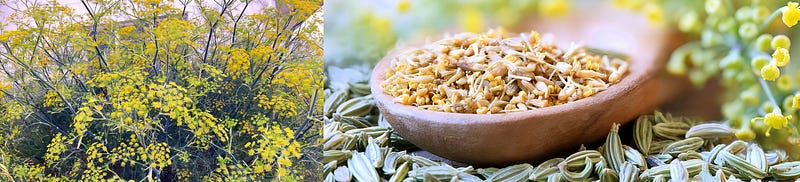
Fennel grows tall — reaching up to 6 ft 2 in (1.9 m) — with feathery leaves and umbels of small yellow flowers. It thrives in sunny climates and well-drained soils, with its Mediterranean homeland offering the perfect conditions. The pollen itself is gathered during flowering, typically in late summer. The process is labor-intensive: hand-harvesting the delicate yellow dust requires patience and precision, as each flower releases only a trace. This scarcity, coupled with its concentrated essence, explains its reputation as a luxury spice.
Ecology
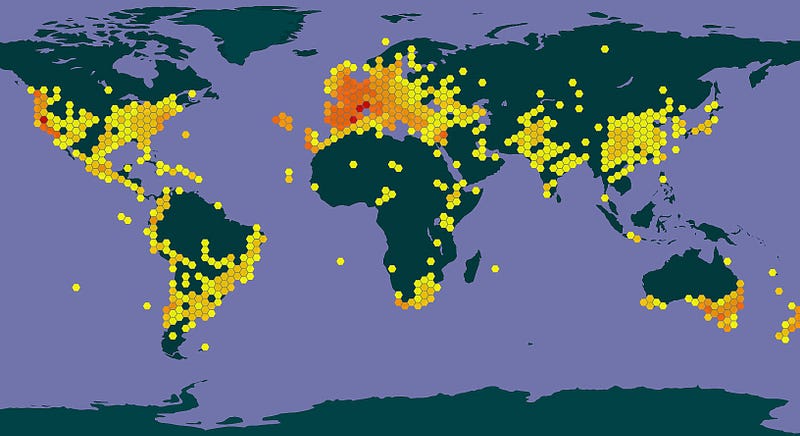
Native to southern Europe but naturalized worldwide, fennel plays a dual role in ecosystems. Its nectar-rich flowers attract pollinators like bees and butterflies, while its sprawling growth can sometimes make it invasive in regions such as California. Sustainable harvesting of fennel pollen requires balance: collecting enough to serve culinary markets while ensuring the plant’s ecological role is preserved. As climate shifts alter pollination cycles and plant distribution, fennel’s resilience and adaptability will play an increasing role in its global availability.
Uses
Economically, fennel pollen occupies a niche market. A small jar, often weighing 0.75 oz (21 g), can command prices upwards of thirty dollars, reflecting both rarity and demand. Beyond haute cuisine, herbalists and perfumers have explored fennel pollen for its aromatic compounds, rich in anethole — the same compound responsible for fennel seed’s licorice-like fragrance. With growing interest in sustainable, natural flavorings, fennel pollen may find new markets in plant-based food industries and artisanal beverage production.
Culinary Aspects
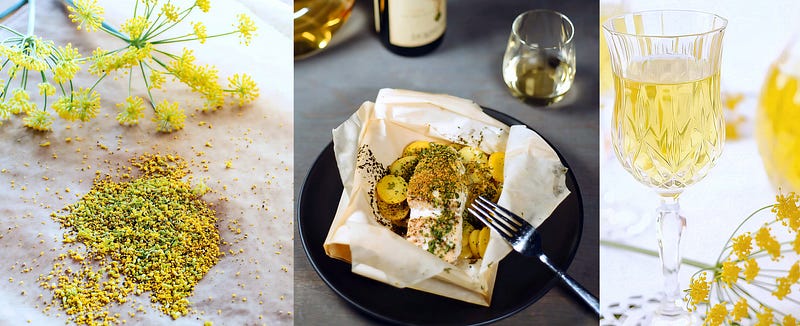
Imagine the sweetness of fennel seed amplified, with a floral brightness and a hint of citrus. That is fennel pollen’s signature: complex, ethereal, and transformative. In Italy, it has long dusted pork roasts, sausages, and breads. Contemporary chefs sprinkle it over roasted vegetables, fold it into pasta dough, or finish grilled seafood with a golden touch. A pinch elevates even simple dishes: risotto, buttered carrots, or baked chicken. Nutritionally, fennel pollen provides trace minerals and antioxidants, though its use is primarily sensory — a seasoning that perfumes the plate as much as it flavors it.
Wine Pairings
Pairing fennel pollen requires wines that complement its herbal sweetness and delicate licorice tones. White wines with crisp acidity and aromatic complexity — such as Sauvignon Blanc or Vermentino — enhance its freshness. Sparkling wines like Prosecco provide a lively counterpoint to its floral notes. For meat dishes seasoned with fennel pollen, a medium-bodied red such as Chianti or Grenache offers balance, the earthy tannins grounding the spice’s aromatic lift. The goal is harmony: a wine that echoes fennel pollen’s brightness without overwhelming its subtlety.
Conclusion
Fennel pollen is proof that culinary magic often lies in the smallest things. Harvested in grains no larger than dust motes, it transforms dishes with elegance that belies its size. Its future depends on balancing sustainability with culinary demand, ensuring that the spice of angels continues to enchant both traditional kitchens and modern restaurants. For cooks, writers, and eaters alike, fennel pollen reminds us that sometimes the rarest flavors are those that ask us to pause, notice, and savor.