The Hard-Lipped Wanderer: Exploring Waandersii’s Barb
Introduction
Introduction
In the shimmering waters of Southeast Asia, where rivers wind through rainforests and rice paddies, there swims a species that is both humble and remarkable. Waandersii’s hard-lipped barb, scientifically known as Osteochilus waandersii, may not boast the fame of salmon or the luxury status of tuna, but its story reflects the intricate ties between nature, cuisine, and sustainability. This freshwater fish, with its subtle beauty and practical importance, invites us to look closer — not just at its biology, but also at the culture and culinary traditions it has quietly nourished.
Taxonomy
The hard-lipped barb belongs to the family Cyprinidae, a lineage of carps and minnows that spans continents. Within its genus Osteochilus, which includes more than thirty species, Waandersii’s barb is distinguished by its hardened lips and adaptability. Commonly referred to as Waandersii’s barb or hard-lipped barb, it is found across Cambodia, Laos, Malaysia, Thailand, and Indonesia, where it often shares waters with better-known carp relatives. No formally recognized subspecies exist, but its regional presence has given rise to local names, reflecting the fish’s integration into traditional diets.

Biology
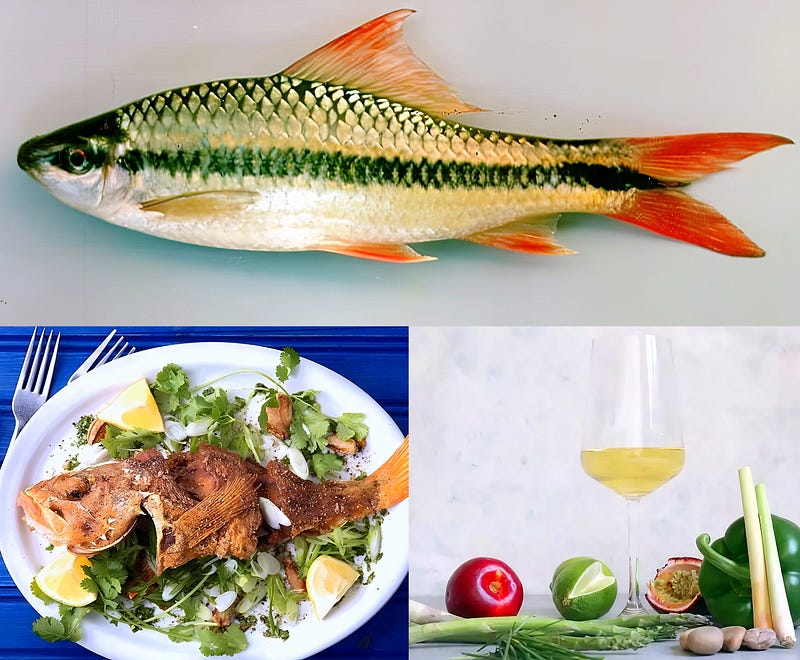
Medium-sized and streamlined, Osteochilus waandersii typically grows up to 30 cm, or about 12 in, in length. Its silver body shimmers faintly in sunlight, sometimes edged with darker hues along the dorsal fin. The defining feature — the thickened, keratinized lips — helps it scrape algae and detritus from submerged rocks, making it an efficient grazer in riverine ecosystems. The species is oviparous, releasing eggs into open waters where survival depends on seasonal flows. In regions where dry and wet seasons alternate, the barb has adapted by aligning its breeding cycle with flooding events, ensuring young have access to abundant food and shelter in newly inundated floodplains.
Ecology
The fish thrives in clear, fast-flowing rivers but is also remarkably tolerant of disturbed or slow-moving waters. It often populates irrigation canals and reservoirs, proving its adaptability in human-altered landscapes. As a grazer, it helps regulate algal blooms and contributes to maintaining water quality. Its ecological role extends further, serving as prey for larger fish and waterbirds. Yet, like many freshwater species, it faces pressure from overfishing, habitat degradation, and the damming of rivers that disrupt seasonal migrations. Sustainable management is crucial to prevent the silent erosion of this species from waterways already strained by human development.
Uses
Across Southeast Asia, Waandersii’s barb is more than just a fish in the net — it is food security. Its modest size makes it affordable and accessible, especially in rural communities. Fresh catches are sold in local markets, while dried and salted versions preserve protein for leaner months. Small-scale aquaculture has also integrated the species, though it is not as commercially dominant as tilapia or common carp. The economic relevance lies not in export prestige, but in its steady contribution to everyday sustenance. Promoting sustainable harvests ensures that this species continues to support households without collapsing under demand.
Culinary Aspects
The flavor of Waandersii’s hard-lipped barb leans toward the delicate rather than the bold. Its flesh is white, flaky, and mild, carrying a subtle sweetness that pairs well with herbs and spices. When steamed, the aroma is clean and freshwater-bright, a faint echo of the rivers it inhabits. The texture is tender yet structured enough to hold in soups and curries.
Balance and complexity emerge when it is grilled over charcoal: the skin crisps to a smoky finish while the interior remains moist. The aftertaste is light, lacking the oily heaviness of larger carps, which makes it appealing to those who prefer subtler fish. Appearance-wise, the fillets are modest in size, usually around 150 g or 5.3 oz per portion, but versatile enough to feature in both rustic and refined dishes.
Culturally, it appears in traditional soups flavored with lemongrass and galangal, in curries thickened with coconut milk, or simply fried whole with a scattering of chili and lime. Nutritionally, a 100 g (3.5 oz) serving provides lean protein with minimal fat, making it an efficient dietary staple.
Wine Pairings
Pairing wine with freshwater fish demands nuance, and Waandersii’s barb offers room for elegance. Its mild, slightly sweet profile harmonizes well with a crisp Sauvignon Blanc, whose citrus and herbaceous notes elevate traditional Southeast Asian herb-forward preparations. For grilled dishes with smoky depth, a lightly oaked Chardonnay provides balance, its roundness echoing the fish’s tender mouthfeel. Where coconut milk curries are involved, Gewürztraminer — with its floral and lychee undertones — creates a striking counterpoint without overwhelming the dish.
Conclusion
Waandersii’s hard-lipped barb may not headline menus in Paris or Tokyo, but it embodies something more essential: the interwoven fabric of ecosystems, sustenance, and cultural identity. It is a reminder that biodiversity does not only reside in exotic rarities but also in the accessible, everyday species that sustain human lives and ecological balance. Ensuring its survival means honoring a modest fish that carries far more than its weight in riverside economies and culinary traditions.